In a decisive political move, Tamilaga Vettri Kazhagam (TVK) chief Vijay on Tuesday declared the party’s “uncompromising and firm stand” demanding the complete scrapping of the National Eligibility cum Entrance Test (NEET) for medical admissions. The actor-politician also called for education to be moved from the Concurrent List to the State List, a shift that would grant Tamil Nadu full autonomy over its academic policies.
Why TVK’s NEET Stance Matters Now
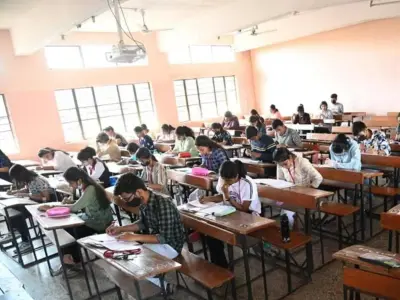
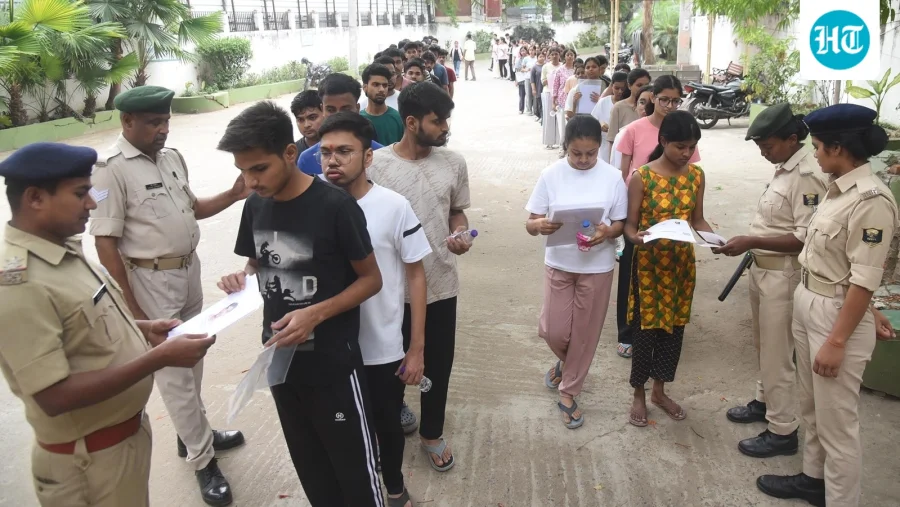
For years, NEET has been a flashpoint in Tamil Nadu politics. Critics argue the exam disproportionately favours students from urban, English-medium backgrounds, leaving rural and government school students at a disadvantage. TVK’s demand taps into this deep-seated resentment, positioning the party as a champion of educational equity. With state elections on the horizon, this issue could become a defining plank for the fledgling party.
The Core Demand: Abolition and State Control
TVK’s statement goes beyond mere opposition. The party is demanding a complete legislative abolition of NEET within Tamil Nadu, not just exemptions or modifications. Additionally, by calling for education to be placed under the State List, TVK is challenging the centralised framework of the Concurrent List, which allows both the Centre and states to legislate on education. This would effectively give Tamil Nadu the power to design its own admission tests, curriculum, and evaluation systems without central interference.
Who Stands to Benefit
If TVK’s demand gains traction, the primary beneficiaries would be students from rural areas, government schools, and economically weaker sections who often struggle to afford expensive NEET coaching. Tamil Nadu has a strong history of state-run school education, and many believe a state-controlled admission process would be more equitable. However, the move could also raise concerns about standardisation and interstate mobility for medical professionals.
Political Context and Opposition
TVK is not alone in its anti-NEET stance. The ruling DMK has also opposed the exam, passing a bill in the Tamil Nadu Assembly in 2021 seeking exemption. However, the bill is yet to receive presidential assent. TVK’s demand is more absolute, calling for scrapping rather than exemption. Other parties like the AIADMK and certain caste-based groups have also voiced opposition, but TVK’s entry into the fray adds a new, high-profile voice to the debate.
What the Law Says
Currently, NEET is mandated by the Supreme Court and the National Medical Commission Act. Any state seeking to scrap it would need either a constitutional amendment or a successful legal challenge. Moving education to the State List would require a constitutional amendment passed by a two-thirds majority in Parliament—a politically difficult task. TVK’s demand, while symbolically powerful, faces significant legal and procedural hurdles.
Confirmed Facts vs What Remains Unclear
Confirmed: TVK has officially demanded the complete scrapping of NEET and the transfer of education to the State List. The party has described its stand as “uncompromising and firm.” Unclear: Whether TVK will pursue this through legislative means, legal petitions, or public agitation. The party has not yet outlined a specific roadmap or timeline for achieving these goals.
Risks and Balanced View
Critics argue that scrapping NEET could lead to a lack of standardisation in medical admissions, potentially affecting the quality of doctors produced. Some also warn that state-controlled exams could be vulnerable to political interference or corruption. Supporters counter that Tamil Nadu’s education system has historically performed well and that state autonomy would allow for more context-sensitive policies. The debate remains deeply polarised.
Wider Trend: The Anti-NEET Movement in India
Tamil Nadu is not alone in its opposition to NEET. States like Kerala, Maharashtra, and West Bengal have also seen protests and political movements against the exam. The core argument is consistent: NEET favours the privileged and penalises students from disadvantaged backgrounds. TVK’s demand is part of a broader national conversation about the balance between centralised standards and state autonomy in education.
What Students and Parents Should Know
For now, NEET remains the mandatory entrance exam for medical admissions across India, including Tamil Nadu. Students should continue preparing as per the current system. However, TVK’s demand signals that the political landscape around NEET is shifting. Parents and students should stay informed about any legislative or legal developments that could affect future admission cycles.
Future Outlook
TVK’s demand is unlikely to result in immediate change, given the legal and constitutional complexities. However, it could intensify political pressure on the DMK and other parties to take a stronger stand. If TVK gains electoral momentum, the NEET issue could become a central campaign theme in the next Tamil Nadu assembly elections. The party may also explore legal avenues to challenge the exam’s constitutional validity.
Our Take
TVK’s demand is a calculated political move that resonates with a deeply felt grievance in Tamil Nadu. While the legal path to scrapping NEET is steep, the party’s entry into the debate adds a new layer of urgency. The real test will be whether TVK can translate this demand into actionable policy or whether it remains a symbolic stance. For students, the immediate takeaway is clear: the status quo remains, but the conversation is far from over.
Frequently Asked Questions
What is TVK demanding regarding NEET?
TVK has demanded the complete scrapping of NEET for medical admissions in Tamil Nadu and wants education to be moved from the Concurrent List to the State List, giving the state full control over its education system.
Why does TVK oppose NEET?
TVK argues that NEET is unfair to rural and government school students who cannot afford expensive coaching, and that it favours urban, English-medium students. The party believes a state-controlled system would be more equitable.
Can NEET be scrapped in Tamil Nadu?
Legally, scrapping NEET would require either a constitutional amendment or a successful legal challenge, as the exam is mandated by the Supreme Court and the National Medical Commission Act. It is a complex and politically difficult process.
What does moving education to the State List mean?
If education is moved to the State List, only state governments would have the power to legislate on education, removing the Centre’s role. This would allow Tamil Nadu to design its own admission tests, curriculum, and policies without central interference.