The United Nations has put the world on notice. A 'supersized' El Niño is brewing, and its arrival could send shockwaves through global economies already grappling with uncertainty. This isn't just a weather forecast; it's a stark warning about a natural force powerful enough to redraw agricultural maps and strain financial systems.
What a 'Supersized' El Niño Actually Means
The World Meteorological Organization (WMO) has flagged the potential for an exceptionally strong El Niño. This natural climate pattern, marked by a warming of the central and eastern Pacific Ocean, doesn't just change the weather. It rewires global atmospheric circulation, acting as a catalyst for extreme events far beyond the Pacific basin.
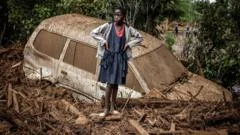
For the average person, this translates to a higher probability of devastating floods in some regions and crippling droughts in others. The term 'supersized' suggests an intensity that could break previous records, amplifying the risks to a global scale.
The Economic Ripple Effect: From Farms to Markets
The most immediate and severe impact of a powerful El Niño is on agriculture. Key food-producing regions across Asia, Africa, and the Americas face the prospect of failed harvests. This isn't just a local problem; it's a direct threat to global food security.
When harvests fail, commodity prices spike. This inflation hits the most vulnerable populations hardest and creates economic instability that can ripple through global markets. The WMO's warning is essentially an economic red flag, signaling potential supply chain disruptions and market volatility in the months ahead.
Why This Warning Feels Different
While El Niño events are cyclical, the context of this warning is unique. It comes at a time when the planet is already experiencing the effects of long-term climate change. Scientists are concerned that a 'supersized' El Niño could compound existing stresses, pushing already fragile ecosystems and economies over the edge.
The warning suggests we are not looking at a routine weather event, but a potential mega-disaster that could test the resilience of global infrastructure and disaster response systems simultaneously.
Who Is Most at Risk and How Are They Preparing?
The burden of a 'supersized' El Niño will not be shared equally. Developing nations with agrarian economies and less robust infrastructure are on the front lines. Countries in Southeast Asia, parts of Africa, and South America are particularly vulnerable to the swings between extreme drought and catastrophic flooding.
In response, governments are reportedly moving into preparation mode. This involves reviewing disaster management protocols, securing emergency food and water supplies, and putting early warning systems on high alert. The goal is to mitigate the worst humanitarian and economic consequences before the full force of the event is felt.
Confirmed Facts vs. What Remains Unclear
What is confirmed is the WMO's official warning about the potential for a 'supersized' El Niño and its capacity to disrupt global economies. The scientific consensus on El Niño's general effects—droughts in some areas, floods in others—is also well-established.
However, the precise intensity, exact duration, and specific regional impacts of this particular event remain uncertain. While the warning is clear, the unfolding reality will depend on complex atmospheric and oceanic interactions that are difficult to predict with certainty.
Risks and the Need for a Balanced View
The primary risk is economic disruption, particularly in the form of food price inflation and supply chain instability. There is also a significant humanitarian risk, with the potential for displacement and loss of life in the most affected regions.
It is important to note that El Niño forecasts are not certainties. The event could be weaker than anticipated. However, the WMO's decision to issue such a stark warning suggests that the probability of a major event is high enough to warrant serious, proactive preparation. The cost of being unprepared far outweighs the cost of over-preparing.
The Broader Pattern: Climate Change and Extreme Weather
This warning fits into a larger, more troubling trend. The increasing frequency and intensity of extreme weather events are a hallmark of our changing climate. A 'supersized' El Niño would be a dramatic example of natural variability interacting with human-induced climate change.
This intersection is what makes the current situation so precarious. It's no longer just about a natural cycle; it's about a natural cycle supercharging an already stressed global system.
Practical Guidance: What Should You Do Now?
For individuals and businesses, the key is to stay informed and build resilience. Monitor weather forecasts and official advisories from agencies like the WMO and your national meteorological department.
Businesses, particularly those in agriculture, logistics, and retail, should review their supply chains for vulnerabilities. Households can consider their own preparedness, from having emergency supplies to being mindful of potential food price increases in the coming months.
Future Outlook: What Happens Next?
The coming weeks and months will be critical. Scientists will be closely monitoring sea surface temperatures in the Pacific for signs of rapid warming. The evolution of these conditions will determine whether this becomes a full-blown 'supersized' event or a more moderate one.
The world will be watching, hoping for the best but preparing for a scenario that could test the limits of global cooperation and resilience.
Our Take
The WMO's warning is a powerful reminder that our global economy is inextricably linked to the planet's natural systems. A 'supersized' El Niño is not a distant, abstract threat; it is a clear and present danger to food prices, economic stability, and human welfare. The true test will be in how governments and international bodies translate this warning into effective, coordinated action before the storm—literal or metaphorical—makes landfall.
Frequently Asked Questions
What is a 'supersized' El Niño?
A 'supersized' El Niño refers to an exceptionally strong El Niño event, as warned by the UN's World Meteorological Organization. It is characterized by a significant warming of ocean waters in the central and eastern Pacific, which can trigger extreme weather patterns—like severe floods and droughts—across the globe.
How will a 'supersized' El Niño impact the global economy?
The primary economic impact is expected to come through agriculture. A powerful El Niño can cause crop failures in major food-producing regions, leading to higher global food prices and supply chain disruptions. This can fuel inflation and create economic instability, particularly in developing nations.
Which regions are most at risk from this El Niño warning?
Regions with agrarian economies and less resilient infrastructure are most at risk. This includes parts of Southeast Asia, Africa, South America, and Australia, which are prone to experiencing either severe drought or catastrophic flooding during major El Niño events.
What should I do to prepare for the potential impacts of El Niño?
Stay informed by following updates from official bodies like the WMO and your national weather service. For practical preparedness, consider reviewing your household emergency supplies and be mindful that food prices may become more volatile. Businesses should audit their supply chains for potential disruptions.