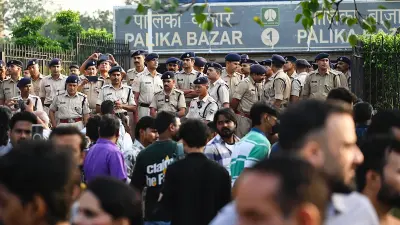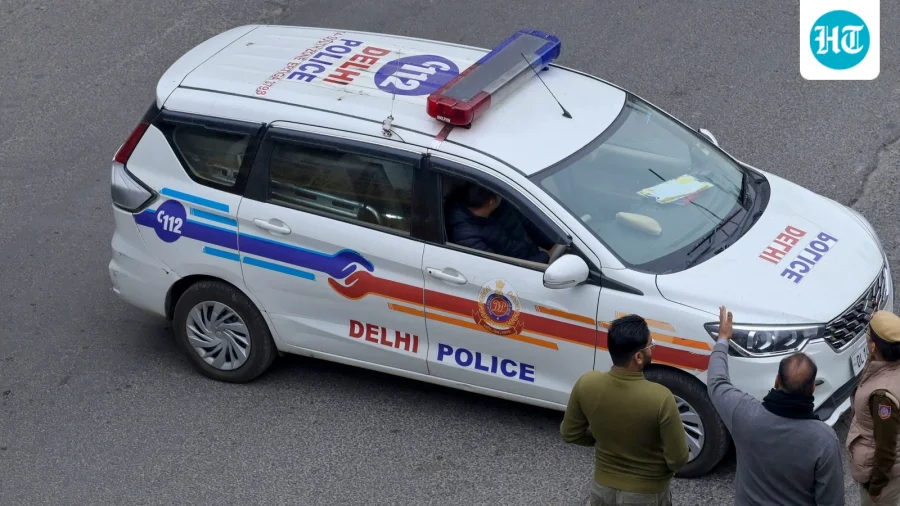
The relationship between the media and law enforcement is built on a delicate balance of scrutiny and protection. That balance is now under a spotlight after two women journalists came forward with serious allegations against the Delhi Police, claiming they were assaulted while in custody. The police, however, have categorically denied these accusations, setting the stage for a contentious he-said-she-said battle over an incident that raises uncomfortable questions about press freedom and police accountability.
Allegations of Detention and Assault at Saket Police Station
According to the original complaint, the two journalists alleged that police teams detained them before taking them to the Saket police station. It was at this location that they claim they were assaulted by personnel. The specific reason for their initial detention has not been detailed in the initial reports, leaving a critical gap in understanding the full context of the confrontation.
Why This Confrontation Matters for Press Freedom
This incident cuts to the heart of how a democracy treats its fourth estate. When journalists are unable to do their work without fear of physical harm from the very institutions meant to protect them, it creates a chilling effect. The allegations, if proven true, would represent a significant breach of protocol and trust. For the public, this is not just a matter of two individuals; it is a test of whether independent reporting can thrive without intimidation.
The Sequence of Events: What Has Been Reported So Far
The timeline of the incident remains sparse. What is known is that the journalists were initially detained by police teams. Following this detention, they were transported to the Saket police station, a standard procedure for processing an arrest or inquiry. It is at this stage that the narratives diverge sharply. The journalists allege physical assault occurred within the station's confines, while the police maintain that no such force was used.
Who Is Affected and Why It Resonates with the Public
Beyond the two journalists directly involved, this story affects every citizen who relies on the media to hold power to account. It also resonates deeply with working journalists across the country, who often operate in high-pressure environments. For the general public, the credibility of both the media and the police is on the line. If the journalists' claims are accurate, it signals a dangerous erosion of civil liberties. If the police refutation is correct, it highlights the challenges law enforcement faces when managing volatile situations.
Delhi Police's Official Refutation of the Assault Claims
In response to the allegations, Delhi Police have officially refuted the claims of assault. Their stance is that the journalists were not mistreated while in their custody. The police have not yet released a detailed statement regarding the circumstances that led to the initial detention, but they have firmly denied any physical misconduct. This official denial creates a direct contradiction with the journalists' account, necessitating a thorough and transparent investigation.
Analyzing the Conflicting Narratives and What It Means
The core of this dispute lies in the credibility of two opposing accounts. Such conflicts often hinge on evidence like CCTV footage from the police station, medical reports, and the testimonies of other officers or detainees present at the time. The fact that the incident allegedly occurred inside a police station is significant, as these facilities are typically equipped with surveillance systems. The availability and review of such footage will likely be the deciding factor in establishing the truth.
Confirmed Facts vs What Remains Unclear in This Dispute
Confirmed: Two women journalists have made a formal allegation of assault against Delhi Police. The journalists were detained and taken to Saket police station. Delhi Police have officially denied the assault allegations.
Unclear: The reason for the journalists' initial detention remains unconfirmed. The specific nature and extent of the alleged assault have not been detailed. No independent verification of either account has been released to the public yet. All details beyond the initial statements should be treated as unverified until an official inquiry provides clarity.
Risks and the Need for a Balanced View
In cases involving police and the media, public opinion can quickly become polarized. There is a risk of pre-judging the officers involved based on past incidents, just as there is a risk of dismissing the journalists' claims without due process. A balanced view requires acknowledging that false allegations against police do occur, just as instances of police misconduct are documented. The only way to serve justice is to allow a neutral, independent investigation to examine the evidence without external pressure.
The Broader Pattern of Media-Police Tensions
This incident does not occur in a vacuum. Across India, there have been numerous reported instances of journalists facing hostility while covering protests, crime scenes, or sensitive political events. The dynamic between the press and the police is inherently fraught, as officers often view journalists as obstacles at active scenes, while reporters see themselves as guardians of public interest. This latest allegation, if substantiated, would add to a growing list of concerns regarding the safety of media professionals in the field.
Practical Guidance for Journalists and Citizens
For journalists, this incident serves as a reminder to document interactions with law enforcement meticulously, whether through audio recording or noting badge numbers and officer names. For citizens, it highlights the importance of supporting a free press. Public pressure for a transparent inquiry is crucial. The police must be held to the highest standard of conduct, and journalists must be allowed to report without fear. An independent oversight mechanism is essential to resolve this dispute fairly.
Future Outlook: What Happens Next in This Case
The immediate next step will likely involve a formal complaint being registered, leading to an internal police inquiry or an investigation by an external agency. The examination of CCTV footage from the Saket police station will be critical. Depending on the findings, this could either result in disciplinary action against the officers involved or the clearing of their names. The case may also draw the attention of the National Human Rights Commission or the Delhi State Human Rights Commission, given the serious nature of the allegations.
Our Take
This is a moment that demands more than just statements from either side. The integrity of both journalism and policing is at stake. When a journalist cannot safely do their job, the public loses a vital check on power. When police are falsely accused, their ability to maintain order is undermined. The only resolution that serves the public interest is a swift, transparent, and independent investigation. Until then, the truth remains suspended between two conflicting accounts, and the public is left waiting for clarity on an incident that strikes at the core of democratic accountability.
Frequently Asked Questions
What exactly did the two women journalists allege against the Delhi Police?
The journalists alleged that police teams detained them and took them to the Saket police station, where they were subsequently assaulted by police personnel.
How has the Delhi Police responded to the assault allegations?
Delhi Police have officially refuted the claims of assault. They have denied that any physical misconduct occurred while the journalists were in their custody.
Where did the alleged incident of assault take place?
According to the journalists' account, the alleged assault took place at the Saket police station after they were taken there following their initial detention by police teams.
What is the current status of the investigation into this incident?
As of now, there is no confirmed public update on a formal investigation. The situation is developing, with conflicting statements from the journalists and the police. The next steps will likely involve a review of evidence, such as CCTV footage, to establish the facts.