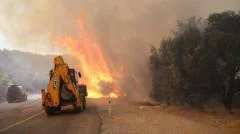
The deaths of two firefighters on the Greek island of Crete have cast a grim shadow over the wildfire season in southern Europe, as gale-force winds supercharged flames that forced the evacuation of several villages. The tragedy underscores the deadly risks faced by emergency crews battling increasingly intense blazes across the continent.
How the Crete Wildfire Turned Deadly
The fire on Crete escalated rapidly, driven by powerful winds that made containment efforts extremely dangerous. The two firefighters were caught in the blaze while working to protect communities and natural areas. Their deaths mark one of the most severe losses for Greek fire services in recent years.
Why Gale-Force Winds Made the Blaze Uncontrollable
Meteorologists had warned that strong winds would create extreme fire behavior, allowing flames to jump firebreaks and spread unpredictably. For firefighters on the ground, such conditions can turn a manageable fire into a deadly trap within minutes. The wind also hampered aerial water-bombing operations, leaving ground crews more exposed.
Evacuations and the Human Toll on Crete
Several villages on the island were ordered to evacuate as the fire approached residential areas. Residents and tourists were moved to safer locations, with local authorities setting up emergency shelters. The emotional and financial impact on communities is expected to be significant, with homes and livelihoods threatened.
Southern Europe on Fire: A Broader Crisis
Crete is not alone. Parts of southern Europe, including other regions of Greece, Italy, and Spain, are also battling wildfires amid a prolonged heatwave and dry conditions. The simultaneous outbreaks are stretching firefighting resources across multiple countries, raising concerns about the capacity to respond effectively.
Official Response and Emergency Efforts
Greek officials have expressed condolences for the fallen firefighters and pledged full support for ongoing operations. Additional firefighting units, including reinforcements from other regions, have been deployed to Crete. The government is also coordinating with European Union civil protection mechanisms for potential assistance.
What Makes This Wildfire Season Different
Climate scientists have pointed to rising temperatures and prolonged drought as key factors behind the intensity of this year's fires. The combination of extreme heat and strong winds creates a "fire weather" pattern that is becoming more common across the Mediterranean. This season's early and severe outbreaks are consistent with long-term climate projections.
Confirmed Facts vs What Remains Unclear
It is confirmed that two firefighters died while battling the Crete wildfire and that multiple villages were evacuated. What remains unclear is the exact number of structures damaged or destroyed, the full extent of the burned area, and whether any other casualties have occurred. Official assessments are ongoing.
Risks and Balanced View
While the immediate focus is on firefighting and rescue, questions are emerging about preparedness and resource allocation. Critics argue that underfunding of fire services and delayed preventive measures have left communities vulnerable. Supporters of the government point to the extreme weather conditions as an unprecedented challenge that no system could fully anticipate.
Wider Trend: The Growing Threat of Wildfires in Europe
The Crete tragedy is part of a larger pattern. Wildfires in southern Europe have become more frequent and severe over the past decade, with 2023 and 2024 seeing record-breaking blazes. This trend is linked to climate change, which is making the region hotter and drier, creating conditions that favor large, fast-moving fires.
Practical Guidance for Residents and Travelers
For those in affected areas, following evacuation orders immediately is critical. Residents should have emergency kits ready, including documents, medications, and essentials. Travelers to southern Europe should monitor local news and fire alerts, and avoid areas with active wildfires. Insurance coverage for fire damage should be reviewed in advance.
Future Outlook: What Could Happen Next
Firefighting operations on Crete are expected to continue for several days, with weather forecasts showing little relief from the wind and heat. The risk of new fires igniting remains high across southern Europe. In the longer term, governments are likely to face increased pressure to invest in fire prevention, early warning systems, and climate adaptation measures.
Our Take
The deaths of two firefighters in Crete are a stark reminder that wildfires are not just environmental events — they are human tragedies. As southern Europe faces another brutal fire season, the need for better preparation, stronger international cooperation, and honest conversations about climate risk has never been more urgent. The bravery of those on the front lines deserves more than gratitude; it demands action.
Frequently Asked Questions
What caused the wildfire in Crete?
The exact cause is under investigation, but gale-force winds and dry conditions fueled the rapid spread of the blaze, making it deadly for firefighters.
How many people have been evacuated from Crete?
Several villages have been evacuated, though the exact number of residents and tourists moved to safety has not been officially confirmed.
Are other parts of Europe affected by wildfires?
Yes, parts of Greece, Italy, and Spain are also battling wildfires, with emergency services stretched across southern Europe.
What should I do if I am traveling to Crete or southern Europe?
Monitor local news and official fire alerts, follow evacuation orders immediately, and avoid areas with active wildfires. Keep emergency contacts handy.