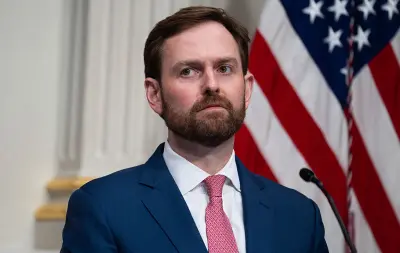
The director of the Center for AI Standards and Innovation (CAISI) has resigned, marking the second high-profile exit from the role since David Sacks left his position as AI czar. The departure has raised fresh concerns about the stability of US artificial intelligence policy leadership at a critical juncture for the industry.
What Happened: The Latest Resignation
The CAISI director, whose name has not been officially confirmed in public reports, stepped down after a brief tenure. The resignation follows David Sacks’ earlier exit as AI czar, creating a pattern of rapid turnover in the administration’s AI leadership. Sources indicate the departure was unexpected, though no specific reasons have been disclosed.
Why This Matters for US AI Policy
The revolving door at CAISI threatens to slow down the development of AI standards that are crucial for maintaining US competitiveness against China and the European Union. Without stable leadership, efforts to establish safety guidelines, ethical frameworks, and innovation-friendly regulations could stall. For businesses and researchers, this uncertainty means delayed clarity on compliance and investment decisions.
Timeline of Turmoil: From Sacks to Now
David Sacks, appointed as AI czar earlier in the Trump administration, left the role amid reported disagreements over policy direction. His departure was followed by the appointment of a new CAISI director, who has now also resigned. The rapid succession suggests deeper structural or political challenges within the administration’s approach to AI governance.
Who Is Affected: The Human Impact
Tech companies developing AI systems face regulatory ambiguity, potentially delaying product launches or forcing them to navigate conflicting state-level rules. Researchers working on AI safety may find their work deprioritized without clear federal guidance. For the average American, the leadership vacuum could mean slower progress on AI-related issues like job displacement, privacy, and national security.
Official Response: Silence from the White House
As of now, the White House has not issued a formal statement regarding the resignation. CAISI’s website remains operational but offers no update on the leadership change. The lack of communication has fueled speculation about internal friction or a broader reassessment of the administration’s AI strategy.
What’s Behind the Revolving Door: Analysis
The repeated departures point to possible disagreements over the balance between AI innovation and regulation. Some insiders suggest the administration’s focus on deregulation may clash with the need for robust standards. Others point to bureaucratic hurdles or insufficient resources for CAISI to fulfill its mandate. Without clear answers, the pattern raises questions about the administration’s commitment to coherent AI policy.
Confirmed Facts vs What Remains Unclear
Confirmed: The CAISI director has resigned, following David Sacks’ earlier exit. The role is now vacant. Unclear: The exact reasons for the resignation, the identity of the departing director in some reports, and whether a successor has been identified. All speculation about internal conflicts remains unverified.
Risks and Balanced View
The leadership instability risks undermining US credibility in global AI standards-setting bodies. Critics argue the administration’s hands-off approach may leave the US behind in shaping international norms. Supporters, however, contend that a slower pace allows for more thoughtful, industry-led standards that avoid overregulation. The truth likely lies somewhere in between, but the current vacuum benefits no one.
Wider Trend: AI Policy Instability Across Administrations
This is not an isolated incident. Both the Trump and Biden administrations have struggled to maintain consistent AI leadership, with multiple czars and directors coming and going. The pattern reflects the broader challenge of governing a rapidly evolving technology where political cycles often lag behind industry developments.
Practical Guidance: What Stakeholders Should Do Now
Tech companies should continue engaging with state-level AI initiatives and international partners while awaiting federal clarity. Researchers and advocacy groups should monitor CAISI for any interim leadership announcements. For investors, the uncertainty suggests a cautious approach to AI-related regulatory plays until a stable leadership structure emerges.
Future Outlook: What Could Happen Next
The administration is expected to appoint a new CAISI director, though the timeline remains unclear. The choice of successor will signal whether the administration intends to double down on its current approach or pivot. If the revolving door continues, Congress may step in with legislative fixes to stabilize AI governance. International partners, meanwhile, may accelerate their own standards efforts in the absence of US leadership.
Our Take
The CAISI resignation is more than a personnel change—it’s a symptom of a deeper policy paralysis. AI is too important to be left to a revolving door of leaders. The administration must act quickly to appoint a credible, empowered director who can provide the stability needed to develop standards that protect American interests without stifling innovation. Until then, the US risks ceding its leadership role in one of the most consequential technologies of our time.
Frequently Asked Questions
Who was Trump’s latest AI czar?
The latest AI czar was David Sacks, who left the role earlier. The CAISI director who resigned after him is the second high-profile departure from AI leadership under the Trump administration.
What is CAISI?
The Center for AI Standards and Innovation (CAISI) is a federal body responsible for developing AI standards and promoting innovation in the United States. It operates under the broader AI policy framework of the Trump administration.
Why did the CAISI director resign?
The exact reasons for the resignation have not been officially disclosed. Speculation includes possible disagreements over policy direction, bureaucratic challenges, or personal reasons, but none have been confirmed.
What happens to US AI policy now?
With the CAISI director position vacant, US AI policy faces uncertainty. The administration is expected to appoint a new director, but the timeline and direction remain unclear. In the meantime, state-level and international efforts may fill the gap.