The clock is ticking. That was the blunt warning from President Donald Trump to Iran on Monday, as diplomatic efforts to revive a nuclear deal hit a dangerous standstill. With peace progress stalling, the White House is signaling that patience is running out — and the consequences could be severe.
According to Iranian media, Tehran has submitted its latest proposals to Washington, but officials claim the US has failed to offer any concrete concessions in return. The impasse has left both sides locked in a tense waiting game, with the threat of renewed hostilities looming large.
Trump's Warning: 'Time Is of the Essence'
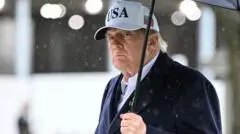
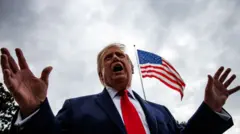
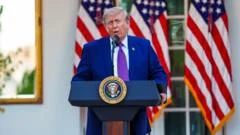
Speaking to reporters, Trump made his frustration clear. He described Iran's recent counter-proposals as "garbage" and said "time is of the essence," according to reports from The Business Standard. "They better get moving," he warned, suggesting that the window for a diplomatic solution is narrowing rapidly.
The president's language marks a sharp escalation in tone. While the US has previously expressed cautious optimism about the talks, the latest remarks suggest a growing impatience within the administration. The warning is not just rhetorical — it carries real weight, as the US has repeatedly threatened to impose further sanctions or take military action if negotiations fail.
Why This Matters Right Now
This is not just another diplomatic spat. The stalled talks have direct implications for global security, oil prices, and the stability of the Middle East. A failure to reach an agreement could trigger a new wave of tensions, including potential Iranian nuclear escalation and increased military posturing by both sides.
For ordinary citizens, the stakes are equally high. Renewed tensions could lead to higher fuel prices, economic uncertainty, and the risk of a broader regional conflict. The clock is ticking not just for diplomats, but for millions of people who could be affected by the fallout.
How the Talks Reached This Point
The negotiations, which have been ongoing for months, were aimed at reviving the 2015 nuclear deal — formally known as the Joint Comprehensive Plan of Action (JCPOA). Trump withdrew the US from the deal in 2018 during his first term, calling it "the worst deal ever." Since then, Iran has accelerated its nuclear enrichment program, raising alarm in Washington and among allies.
In recent weeks, both sides had appeared to make progress. However, the latest round of talks hit a wall when Iran presented its new proposals. Tehran claims it has made significant offers, but that the US has not reciprocated with meaningful concessions. The White House, in turn, accuses Iran of stalling and making unreasonable demands.
Who Is Affected and What Officials Are Saying
The stalled talks have left multiple stakeholders on edge. European allies, who have been acting as intermediaries, are growing increasingly frustrated. Israel has warned that it will not accept a nuclear-armed Iran and has hinted at possible military action. Meanwhile, Gulf states are watching nervously, fearing a regional arms race.
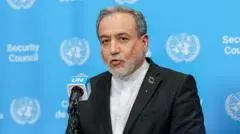
Iranian officials have publicly stated that they are still committed to diplomacy, but they insist that the US must take the first step. "We have presented our proposals. The ball is in Washington's court," a senior Iranian diplomat told state media. The US, however, maintains that Iran must first comply with its nuclear obligations before any sanctions relief can be considered.
What We Know So Far — and What Remains Unclear
What we know: Trump has explicitly warned Iran that time is running out. He has described Iran's proposals as "garbage." Iranian media reports that the US has not made concrete concessions. The talks are currently stalled with no clear path forward.
What remains unclear: What specific concessions Iran is demanding. Whether the US is willing to offer any new incentives. What the exact timeline for a potential breakdown looks like. And most importantly, what Trump's next move will be if diplomacy fails entirely.
Risks, Concerns, and the Balanced View
The situation is fraught with risk. On one hand, a diplomatic solution remains the most desirable outcome for all parties. A renewed deal would curb Iran's nuclear program, ease economic sanctions, and reduce the risk of war. On the other hand, the current impasse could easily spiral into a crisis.
Critics of the Trump administration argue that the president's aggressive rhetoric is counterproductive. "Threatening Iran publicly only hardens their position," said a former State Department official. "It makes it harder for them to back down without losing face." Others, however, believe that a firm stance is necessary to force Iran to negotiate seriously.
From Iran's perspective, the US has a history of breaking promises — the 2018 withdrawal from the JCPOA is still fresh in Tehran's memory. This lack of trust makes any new agreement difficult to achieve. The risk of miscalculation is high, and both sides are playing a dangerous game of brinkmanship.
Why Similar Trends Are Growing
The current standoff is part of a broader pattern of escalating tensions between the US and Iran. Since the 2018 withdrawal, the two countries have been locked in a cycle of retaliation, including drone strikes, cyberattacks, and proxy conflicts across the Middle East. The failure of the current talks could accelerate this trend, leading to a more dangerous and unpredictable situation.
Experts warn that the window for diplomacy is closing. "Every day that passes without a deal increases the risk of an accidental conflict," said a Middle East analyst. "Both sides are preparing for the worst, and that makes a miscalculation more likely."
- Iran's nuclear enrichment has reached levels close to weapons-grade.
- The US has deployed additional naval assets to the Persian Gulf.
- European mediators have expressed "deep concern" over the lack of progress.
"The clock is ticking. They better get moving." — President Donald Trump
What Readers, Investors, and Citizens Should Know Now
For those watching from the sidelines, the key takeaway is that the situation remains fluid and unpredictable. Investors should brace for potential volatility in oil markets, as any escalation could send prices soaring. Citizens should stay informed, as the outcome of these talks could have direct implications for energy costs and global stability.
For now, the ball is in both courts. The US must decide whether to offer meaningful concessions, while Iran must decide whether to accept a deal that may not meet all its demands. The clock is ticking — and the world is watching.
What Could Happen Next
Several scenarios are possible. The most optimistic outcome is that both sides return to the negotiating table and reach a compromise. A more pessimistic scenario involves a complete breakdown of talks, followed by renewed sanctions, Iranian nuclear escalation, and potential military confrontation. A middle ground could involve a partial deal that freezes Iran's nuclear program in exchange for limited sanctions relief.
What is clear is that the next few weeks will be critical. Trump's warning suggests that the US is prepared to walk away from the table if progress is not made. Whether Iran is willing to meet that challenge remains to be seen.
Our Take: Why This Story Matters Beyond One Incident
This is not just about one warning or one set of talks. It is about the fundamental question of whether diplomacy can still work in a world of rising tensions and broken trust. The US-Iran standoff is a test case for international conflict resolution in the 21st century. If these talks fail, it will send a dangerous signal that negotiation is no longer a viable option — and that the only language left is force.
That is why the clock is ticking not just for Iran and the US, but for the entire international community.
FAQs
Why did Trump warn Iran that the "clock is ticking"?
President Trump issued the warning because nuclear peace talks with Iran have stalled. He expressed frustration that Iran's latest proposals were unacceptable and said time is running out for a diplomatic solution.
What did Iran say in response to Trump's warning?
Iranian media reported that Tehran has submitted its latest proposals, but claims the US has not made any concrete concessions in return. Iran insists it is still committed to diplomacy but says the ball is now in Washington's court.
What happens if the US-Iran nuclear talks fail completely?
If talks fail, the situation could escalate significantly. Iran may accelerate its nuclear enrichment program, the US could impose more sanctions or take military action, and the risk of a broader regional conflict would increase. Oil prices could also spike.
Is there still a chance for a deal between the US and Iran?
Yes, a deal is still possible, but the window is narrowing. Both sides would need to show flexibility and make compromises. European mediators are still working to bridge the gap, but Trump's warning suggests that patience in Washington is wearing thin.