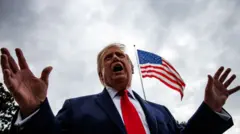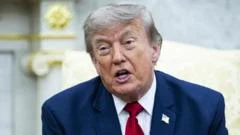
President Donald Trump has threatened to bomb Iranian bridges and power plants unless Tehran resumes nuclear talks, marking a dramatic escalation in the long-running standoff between the two nations. The warning, aired as the US and Iran exchanged fire for a fourth consecutive day, raises the stakes in a conflict that has already seen the US resume blockading Iranian ports.
What Trump said about bombing Iranian infrastructure
Trump’s comments, reported by multiple outlets, directly linked the threat of military strikes on civilian infrastructure to Iran’s refusal to return to negotiations over its nuclear program. “We will bomb their bridges and power plants unless they come back to the table,” Trump was quoted as saying, according to the original story. The threat targets key components of Iran’s civilian infrastructure, including transportation networks and energy grids.
Why this threat matters for regional stability
The warning is not just rhetorical. Bombing bridges and power plants would cripple Iran’s ability to move goods, people, and electricity, potentially causing widespread humanitarian and economic disruption. For ordinary Iranians, this could mean blackouts, disrupted supply chains, and a deepening of the economic crisis already fueled by US sanctions. For the region, it risks drawing in neighboring countries and escalating into a broader conflict.
Timeline of escalating tensions
The threat comes after four days of continuous exchanges of fire between US and Iranian forces. The US has also resumed blockading Iranian ports, a move that restricts Iran’s maritime trade and oil exports. These actions follow months of stalled nuclear talks, with Iran demanding sanctions relief and the US insisting on stricter compliance with nuclear limits. The current escalation appears to be a deliberate attempt by the Trump administration to force Iran’s hand.
Who is affected by the port blockade and bombing threat
Iranian civilians are the most directly affected. The port blockade cuts off essential imports, including food, medicine, and industrial raw materials. The bombing threat adds a layer of fear and uncertainty. Iranian businesses, already struggling under sanctions, face further disruption. Meanwhile, US military personnel in the region are at heightened risk of retaliation. Global oil markets are also watching nervously, as any disruption to Iranian oil exports or regional shipping could spike prices.
Official responses and expert views
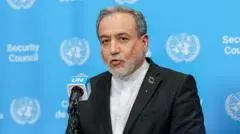
Iranian officials have not yet issued a formal response to Trump’s latest threat, but past statements have warned of severe retaliation against US interests and allies in the region. Experts on US-Iran relations have expressed alarm. “Threatening to bomb civilian infrastructure is a dangerous escalation that could lead to a full-scale war,” said a Middle East analyst who spoke on condition of anonymity. “It also violates international humanitarian law, which prohibits attacks on civilian objects.” The US administration has not clarified whether the threat is a negotiating tactic or a prelude to actual military action.
What this escalation means beyond the headlines
The threat to bomb bridges and power plants is significant because it targets infrastructure that is essential for civilian life, not just military assets. This marks a departure from previous US strategy, which focused on military targets and economic sanctions. Analysts believe this could be an attempt to maximize pressure on Iran’s leadership by making the cost of non-compliance unbearable for ordinary citizens. However, it also risks unifying Iranian public opinion against the US and strengthening hardliners within the Iranian government.
Confirmed facts vs what remains unclear
Confirmed: Trump threatened to bomb Iranian bridges and power plants unless Iran resumes nuclear talks. Confirmed: The US and Iran have exchanged fire for four consecutive days. Confirmed: The US has resumed blockading Iranian ports. Unclear: Whether the bombing threat is a bluff or a genuine military plan. Unclear: Iran’s official response and whether talks will resume. Unclear: The exact nature of the exchanges of fire and whether casualties have occurred.
Risks and balanced view of the situation
The primary risk is a miscalculation leading to open war between the US and Iran. Bombing civilian infrastructure could trigger Iranian retaliation against US allies like Israel or Saudi Arabia, or against US troops in Iraq and Syria. Critics argue that the threat is counterproductive, as it hardens Iran’s position and reduces the likelihood of diplomatic resolution. Supporters of the administration’s approach say maximum pressure is the only way to force Iran to negotiate seriously. However, even some hawks caution that targeting civilian infrastructure crosses a moral and legal line.
Wider pattern of US-Iran confrontation
This is not the first time the US has threatened Iran with military action. The Trump administration previously assassinated Iranian General Qasem Soleimani in 2020, and has imposed crippling sanctions. The current escalation fits a pattern of alternating between economic pressure and military threats. However, the explicit targeting of civilian infrastructure is a new and dangerous development. It mirrors tactics used by other powers in asymmetric conflicts, but rarely by the US in recent decades.
What readers should understand about the situation
For those following the story, the key takeaway is that the US-Iran standoff has entered a more dangerous phase. The threat to bomb bridges and power plants is not just rhetoric — it signals a willingness to escalate beyond sanctions and military exchanges. Readers should monitor official statements from both governments and watch for any signs of diplomatic movement. If you are in the region, stay informed about travel advisories and emergency protocols. For investors, be aware of potential volatility in oil prices and Middle East markets.
Future outlook: What could happen next
Several scenarios are possible. Iran could resume talks to avoid bombing, though its leadership has shown little willingness to do so under threat. Alternatively, the US could carry out limited strikes on infrastructure as a demonstration of force. A third possibility is that the exchanges of fire continue without a major escalation, as both sides test each other’s limits. The most dangerous scenario is a full-scale military confrontation, which would have catastrophic consequences for the region and global stability. Diplomatic channels remain open but are under severe strain.
Our Take
This story is a stark reminder of how quickly geopolitical tensions can escalate when diplomacy fails. Threatening to bomb civilian infrastructure is not just a military tactic — it is a statement about the value placed on human life and international law. While the Trump administration may see this as leverage, the risks of miscalculation are enormous. The world is watching to see whether this is a bluff or a prelude to war. Either way, the people of Iran and the broader Middle East are the ones who will pay the price.
Frequently Asked Questions
Why did Trump threaten to bomb Iranian bridges and power plants?
Trump made the threat to pressure Iran into resuming nuclear talks. The US has been demanding stricter compliance with nuclear limits, while Iran has sought sanctions relief. The threat is part of a maximum pressure campaign.
What does bombing bridges and power plants mean for ordinary Iranians?
It would disrupt transportation, electricity supply, and daily life. Bridges are essential for moving goods and people; power plants are critical for homes, hospitals, and businesses. Such strikes would cause widespread hardship.
Is the US actually planning to bomb Iran?
It is unclear. The threat could be a negotiating tactic, but the US has also resumed port blockades and exchanged fire with Iranian forces. The situation remains fluid, and no official military orders have been announced.
What is the current status of US-Iran nuclear talks?
Talks have been stalled for months. Iran has demanded sanctions relief, while the US insists on stricter nuclear compliance. Trump’s threat is an attempt to restart negotiations, but Iran has not yet responded.