The United Arab Emirates has issued a sharp condemnation of Iran's "brazen" attack on oil tankers in the region, marking a significant diplomatic escalation as the United States launched a third consecutive night of strikes on Iranian targets. The crisis deepened further when President Donald Trump announced a 20% charge as part of a new blockade on the Strait of Hormuz, a vital waterway for global oil shipments.
UAE's Strong Condemnation of Iran's Tanker Attack
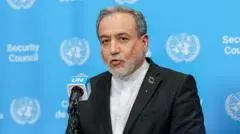
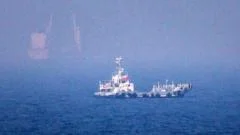
The UAE government released a statement calling Iran's attack on oil tankers "brazen" and a direct threat to maritime security and regional stability. The condemnation signals a rare and forceful break from Tehran by a Gulf state, reflecting the severity of the incident. Officials in Abu Dhabi warned that such actions could disrupt global energy supplies and escalate into a wider conflict.
US Launches Third Night of Strikes on Iran
For the third consecutive night, the US military conducted strikes on Iranian positions, according to Pentagon officials. The operations are described as targeting military infrastructure linked to the tanker attack and broader Iranian aggression in the region. The sustained campaign marks one of the most intense periods of direct US-Iran military engagement in recent years.
Trump Announces 20% Charge as Part of Strait Blockade
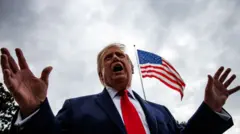
In a dramatic move, President Trump announced a 20% charge on vessels transiting the Strait of Hormuz, effectively imposing a new blockade. The charge is intended to pressure Iran economically and disrupt its oil exports, but it also threatens to raise global oil prices and strain relations with key allies who rely on the strait for energy imports. The announcement came alongside the military strikes, signaling a dual strategy of economic and military pressure.
Human Impact: Global Oil Markets and Regional Stability
The escalation has immediate consequences for millions of people. The Strait of Hormuz handles about 20% of the world's oil supply, and any disruption threatens to spike fuel prices worldwide. For residents of the Gulf region, the risk of a broader war looms large, with potential impacts on travel, trade, and daily life. Shipping companies are already rerouting vessels, and insurance premiums for tankers have surged.
Official Responses from Key Players
Iran has not yet formally responded to the UAE's condemnation or the latest US strikes, but state media has characterized the US actions as "aggression." The UAE's statement, however, underscores a growing rift between Tehran and its Gulf neighbors. The US State Department defended the strikes as "proportional and necessary" to protect freedom of navigation. No independent confirmation of the tanker attack's details has been released.
Analysis: Why This Escalation Matters
The combination of a third night of US strikes, a new blockade charge, and a rare UAE condemnation represents a significant escalation in the Gulf crisis. The 20% charge on strait transit is an unprecedented economic weapon that could reshape global energy trade. The UAE's condemnation suggests that even traditional mediators are losing patience with Iran's actions, potentially isolating Tehran further.
Confirmed Facts vs What Remains Unclear
Confirmed: The UAE has condemned Iran's attack on tankers. The US has launched a third night of strikes on Iran. President Trump announced a 20% charge as part of a new blockade on the Strait of Hormuz.
Unclear: The exact details of the tanker attack—including the number of vessels hit, casualties, and the specific Iranian units involved—remain unverified. The full scope of the US strikes and their targets has not been independently confirmed. Iran's official response to the latest developments is pending.
Risks and Balanced View
The escalation carries severe risks. Critics argue that the US strikes and blockade charge could provoke a wider war, drawing in regional powers and disrupting global oil supplies. Others warn that the UAE's condemnation may deepen Iranian isolation but could also push Tehran toward more aggressive retaliation. The 20% charge on strait transit is seen by some analysts as a risky economic gambit that could alienate US allies. There is no clear path to de-escalation at this stage.
Wider Trend: The Gulf Crisis Intensifies
This latest episode is part of a broader pattern of escalating tensions between the US and Iran since the US withdrawal from the nuclear deal. The targeting of oil tankers and the militarization of the Strait of Hormuz represent a dangerous new phase, where economic warfare and military action are increasingly intertwined. The UAE's condemnation signals a shift in Gulf diplomacy, with traditional neutral players taking sides.
Practical Reader Guidance
For readers concerned about the impact: Monitor oil prices and fuel costs, which are likely to rise. Travelers to the Gulf region should check advisories from their governments. Investors in energy markets should prepare for volatility. Stay informed through verified news sources as the situation develops rapidly.
Future Outlook
The immediate future points to continued US strikes and potential Iranian retaliation, possibly targeting other tankers or US assets in the region. The 20% blockade charge could trigger diplomatic protests from major oil importers like India, China, and Japan. A broader conflict remains a real possibility, though backchannel negotiations may still be underway. The UAE's condemnation may further isolate Iran, but it also risks drawing the Gulf deeper into the confrontation.
Our Take
This is not just another skirmish. The combination of sustained US military strikes, an unprecedented economic blockade charge, and a rare UAE condemnation marks a dangerous inflection point in the Gulf crisis. The Strait of Hormuz is the world's most critical energy chokepoint, and any disruption there has global consequences. The 20% charge is a novel economic weapon that could set a dangerous precedent. While the UAE's condemnation is significant, it also underscores how quickly the region is polarizing. The risk of miscalculation is now dangerously high, and the absence of a clear diplomatic off-ramp makes this one of the most volatile moments in the region in years.
Frequently Asked Questions
Why did the UAE condemn Iran's attack on tankers?
The UAE called the attack "brazen" because it directly threatens maritime security in the Gulf, a region where the UAE has significant economic and strategic interests. The condemnation signals a break from Iran and a alignment with US efforts to protect shipping lanes.
What is the 20% charge on the Strait of Hormuz?
President Trump announced a 20% charge on vessels transiting the Strait of Hormuz as part of a new blockade. This is an economic measure designed to pressure Iran by disrupting its oil exports, but it also affects all shipping through the strait, potentially raising global oil prices.
How many nights of US strikes on Iran have there been?
The US has launched strikes on Iran for three consecutive nights, targeting military infrastructure linked to the tanker attack. This marks one of the most sustained US military campaigns against Iran in recent years.
What does this mean for global oil prices?
The Strait of Hormuz handles about 20% of the world's oil supply. The combination of military strikes and a blockade charge threatens to disrupt shipments, likely leading to a spike in global oil prices and increased volatility in energy markets.