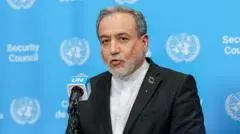
The possibility of renewed US-Iran diplomacy has surfaced again, with Trump suggesting that new talks could begin as early as Monday. But there is a critical catch — Tehran has not responded to the suggestion, leaving the proposal in diplomatic limbo.
What Trump's Latest Signal Means
Trump's comment suggests a willingness to return to the negotiating table despite a history of failed attempts. The suggestion of a Monday start implies urgency, but without Tehran's confirmation, it remains a unilateral statement rather than a joint diplomatic initiative.
Why This Moment Matters for the Region
Any potential talks carry significant weight for regional stability. The US and Iran have been locked in a cycle of tension, with economic sanctions, military posturing, and nuclear concerns shaping the relationship. A new round of talks could signal a shift — or simply repeat a familiar pattern.
The Pattern of Past Negotiation Attempts
This is not the first time talks have been floated. Trump has previously said a negotiated end to the conflict was close, only for strikes to resume shortly after. That history raises a central question: is this a genuine diplomatic opening, or another chapter in a recurring cycle?
What's at Stake for Ordinary People
Beyond geopolitics, the outcome affects real lives. Oil prices, regional security, and the fate of sanctions all hinge on whether these talks materialize. For families across the Middle East and beyond, the difference between negotiation and conflict is measured in daily costs and safety.
Tehran's Silence and What It Signals
The lack of response from Tehran is itself a diplomatic signal. Silence can indicate caution, internal debate, or outright rejection. Without an official statement, observers are left to interpret the pause — a reminder that diplomacy requires two willing parties.
Reading Between the Lines of the Proposal
Analysts would likely note that the timing and framing of such suggestions matter as much as the content. A Monday timeline creates a sense of immediacy, but it also risks appearing as pressure rather than invitation. How Tehran interprets this will shape the next phase.
Confirmed Facts vs What Remains Unclear
What is confirmed: Trump suggested new talks could begin Monday. What remains unclear: whether Iran will accept, what topics would be on the table, and whether this attempt will avoid the collapse of previous efforts. All speculation about outcomes should be treated as such.
Risks and the Case for Caution
Past experience offers a sobering counterpoint. Previous claims that a negotiated end was near were followed by resumed strikes, eroding trust on both sides. Any new talks would face the challenge of overcoming that history, and the risk of another breakdown remains real.
A Familiar Cycle or a Fresh Start?
The broader pattern here is one of repeated attempts and setbacks. The US-Iran relationship has swung between confrontation and diplomacy for decades. Whether this latest suggestion breaks that cycle or continues it depends entirely on the response from Tehran.
What Should Observers Watch For Now
For those following the story, the key indicators are clear: an official response from Tehran, any confirmation of a meeting date or venue, and signals from regional allies. Until those emerge, the suggestion remains just that — a suggestion.
What Happens Next in the Diplomatic Window
The coming days will reveal whether this proposal gains traction. If Tehran responds positively, preparations would likely move quickly. If not, the suggestion may quietly fade, as others have before. Either way, the next 48 hours are likely to be telling.
Our Take
This is a moment that demands patience rather than optimism. The suggestion of talks is notable, but the silence from Tehran is equally significant. In a relationship marked by broken promises and resumed hostilities, the burden of proof lies with action, not words. The world will be watching to see if this time is different — or if it follows the same well-worn path.
Frequently Asked Questions
Has Iran responded to Trump's suggestion of new talks?
No. Tehran has not responded to the suggestion that new talks are imminent, leaving the proposal unconfirmed.
When could the new talks with Iran begin?
Trump suggested that new talks could begin on Monday, but no date has been confirmed by either side.
Why have previous US-Iran talks failed?
Previous attempts have collapsed when strikes resumed after claims that a negotiated end was close, eroding trust between the parties.
What would new talks between the US and Iran cover?
No agenda has been announced. Past discussions have centered on nuclear concerns, sanctions, and regional security, but nothing is confirmed for this potential round.