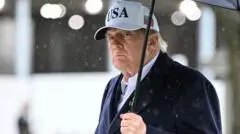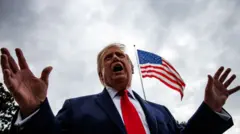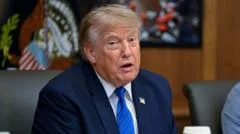
The world blinked, and the trigger wasn't pulled. President Trump has announced he called off planned military strikes on Iran, claiming that Tehran and other Middle Eastern nations pleaded with Washington to stand down because the "perimeters" of a deal had already been agreed. The announcement replaces the specter of imminent conflict with the fragile hope of rapid diplomacy.
A Last-Minute Reversal from Military Action
According to the President, the decision to cancel the strikes came after direct requests from Iran and other regional players. He stated that a deal is possible "rapidly," suggesting that the framework for an agreement is already on the table. This marks a significant pivot from the aggressive posture that had been building in recent days.
Why This De-escalation Matters to Global Markets and Security
The cancellation of strikes removes an immediate threat of a new Middle East conflict, which had the potential to disrupt global oil supplies and send shockwaves through international markets. For ordinary citizens, this means a temporary reprieve from the anxiety of a potential war, but it does not eliminate the underlying tensions that have been simmering for years.
How We Got Here: A Timeline of Rising Tensions
The path to this moment has been marked by a series of escalations, including economic sanctions, attacks on shipping, and heightened rhetoric from both Washington and Tehran. The President's claim of an agreed "perimeter" suggests that back-channel communications may have been more active than publicly known, leading to this eleventh-hour halt.
The Human Impact: Relief and Uncertainty Across the Region
For civilians in Iran and across the Middle East, the news brings a sigh of relief. The threat of airstrikes carries the potential for significant civilian casualties and further destabilization of an already volatile region. However, the uncertainty of what a "rapid" deal entails leaves many in a state of limbo, unsure if this is a genuine step toward peace or a temporary pause.
Official Statements and the Skepticism That Follows
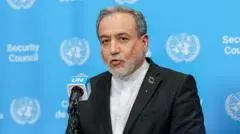
While President Trump has framed this as a diplomatic victory, official responses from Iran and other Middle Eastern governments have not been fully detailed. Analysts are cautioning that the President's statements lack concrete specifics, and there is widespread skepticism about whether a lasting agreement can be reached so quickly given the deep-seated mistrust between the nations.
Analyzing the Shift: Strategy or Stalling?
This move could be interpreted in several ways. It might be a genuine attempt to secure a historic peace deal, a strategic pause to regroup, or a political maneuver. The lack of verifiable details makes it difficult to ascertain the true motivations, but the shift from military action to diplomatic language is a notable change in tone.
Confirmed Facts vs. What Remains Unclear
Confirmed: President Trump has publicly stated he cancelled strikes on Iran and claims a deal's "perimeters" are agreed. Unclear: The specific terms of any deal, the identity of the Middle Eastern countries that intervened, and whether Iran has officially confirmed these negotiations. All details beyond the President's statement are speculative at this point.
Risks and the Fragile Path to a Deal
The primary risk is that this diplomatic overture collapses, leading to a resumption of military planning. Critics argue that trusting a deal based on vague "perimeters" is naive, given Iran's history of nuclear development and regional proxy conflicts. The path forward is fraught with potential for miscommunication and bad faith.
A Wider Pattern of Unpredictable Foreign Policy
This incident fits a broader pattern of the Trump administration's unpredictable approach to foreign policy, where public statements and military posturing can change course dramatically. This unpredictability creates challenges for allies and adversaries alike, who struggle to anticipate the United States' next move.
What Should Observers and Citizens Watch For Now?
For those watching from the sidelines, the key indicators will be any official statements from Tehran, the movement of military assets, and any announcements regarding the resumption of nuclear talks. It is a time for cautious observation rather than celebration, as the difference between a "rapid deal" and a "rapid resumption of strikes" is razor-thin.
Future Outlook: A Narrow Window for Diplomacy
The coming days will be critical. If the President's claim of an agreed "perimeter" holds weight, we may see a flurry of diplomatic activity. If not, the region could quickly return to the brink. The window for a peaceful resolution appears open, but it is closing fast.
Our Take
This is a moment of high-stakes ambiguity. While the cancellation of strikes is a positive development, it is built on a foundation of vague claims and unverified assurances. The burden of proof now lies with all parties to demonstrate a genuine commitment to peace. The world is watching to see if this is a masterstroke of diplomacy or a temporary detour on a path to conflict.
Frequently Asked Questions
Why did Trump cancel the strikes on Iran?
President Trump stated he cancelled the strikes because Iran and other Middle Eastern countries asked Washington to hold off, claiming the "perimeters" of a deal had been agreed upon.
What does "perimeters of a deal" mean in this context?
It suggests that the basic framework or boundaries of a potential agreement have been discussed and tentatively agreed upon, but the specific details and final terms have not been finalized.
Is the threat of a US-Iran conflict completely over?
No. The cancellation of strikes is a de-escalation, but the underlying tensions remain. The situation is fluid, and the threat could resurface if diplomatic efforts fail.
What should we expect to happen next?
Expect to see diplomatic activity and statements from all involved parties. The key is to watch for concrete details of any proposed deal, as the current claims are based on the President's statements alone.