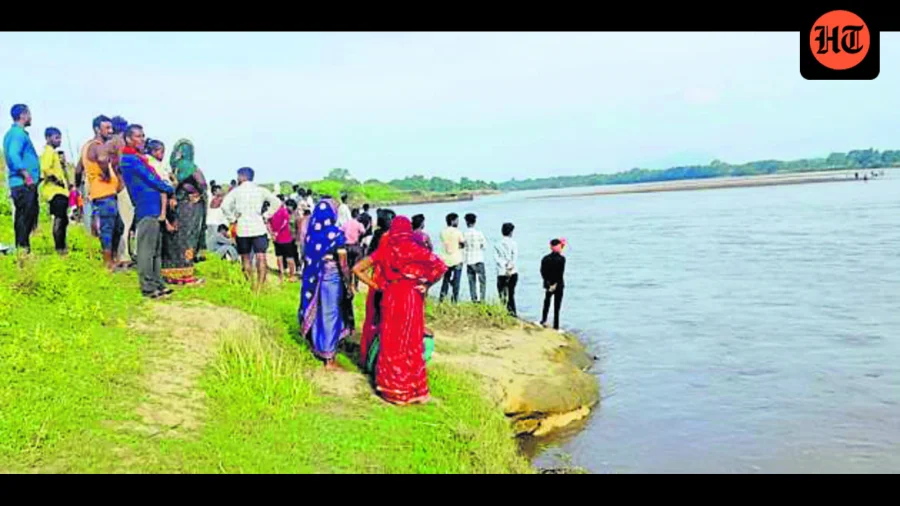
What began as a sacred tradition ended in grief. Six people lost their lives in two separate drowning incidents during Karam Dali Visarjan in Palamu district, Jharkhand — a ritual that marks the culmination of the Karma festival for tribal communities across the region.
What Happened During the Karam Immersion in Palamu
According to information available so far, the drownings occurred on Wednesday as communities carried out the traditional immersion of Karam branches — a practice known as Karam Dali Visarjan. The ritual involves taking the sacred branches, worshipped during the Karma festival, to a river or water body for immersion.
The two incidents happened separately, though both were connected to the same ritual observance. Details about the exact locations and the identities of the victims are still emerging.
Why the Karma Festival Ritual Matters to Jharkhand's Tribal Communities
The Karma festival is one of the most significant cultural observances for tribal communities in Jharkhand, Bihar, Chhattisgarh, Odisha, and parts of Madhya Pradesh. It celebrates the Karam tree, which symbolizes prosperity, fertility, and the bond between nature and community life.
The festival typically involves fasting, community dancing, and the worship of Karam branches. The final immersion — Karam Dali Visarjan — is an emotional occasion where the sacred branches are returned to the water, marking the end of the celebration.
How the Tragedy Unfolded
While the full sequence of events remains unclear, the drownings occurred during the immersion process. In rural areas, these rituals often take place at local rivers, ponds, or streams — water bodies that can be unpredictable, especially during or after the monsoon season.
Multiple people from the community were participating in the ritual when the incidents occurred. The fact that six lives were lost across two separate locations suggests that safety conditions at both sites may have been inadequate.
Who Is Affected by This Loss
The victims were members of tribal communities for whom the Karma festival is not just a religious event but a deeply personal and cultural identity marker. Their families and villages are now grappling with sudden, devastating loss during what should have been a time of celebration and community bonding.
The tragedy has cast a shadow over the entire district, where the Karma festival is observed with reverence and joy by thousands of families each year.
What Authorities Have Said So Far
Official statements from local administration and police are still awaited in full. In similar past incidents, district authorities have typically ordered inquiries and reviewed safety arrangements at ritual sites.
Given the scale of this tragedy — six deaths in a single day — pressure is likely to build on local administration to explain what safety measures were in place and whether they were adequate.
Understanding the Risks of Traditional Water Rituals
Karam Dali Visarjan, like many immersion rituals across India, involves entering water bodies that may have strong currents, sudden depth changes, or slippery banks. In rural areas, these sites often lack warning signs, lifeguards, or safety equipment.
During the monsoon and post-monsoon months, water levels can rise unexpectedly. Community members — including those who may not be strong swimmers — often participate out of religious duty and social pressure.
Confirmed Facts vs What Remains Unclear
Confirmed: Six people drowned in two separate incidents during Karam Dali Visarjan in Palamu district on Wednesday.
Unclear: The exact locations of both incidents, the identities and ages of the victims, whether any rescue attempts were made, and what safety arrangements existed at the sites.
Not yet known: Whether any official inquiry has been ordered, and whether compensation or relief has been announced for the affected families.
The Bigger Pattern: Ritual Drownings Across India
This is not an isolated tragedy. Every year, immersion rituals during festivals like Ganesh Chaturthi, Durga Puja, and regional tribal festivals result in drownings across India. The common factors are predictable: crowded water bodies, inadequate safety measures, and a lack of awareness about water hazards.
While faith and tradition are deeply respected, the recurring loss of life suggests that safety planning for such events remains insufficient in many parts of the country.
What Families and Communities Should Consider
For communities preparing for similar rituals, practical steps can save lives: identify safe immersion points, ensure strong swimmers are present, avoid deep or fast-flowing water, and keep children and non-swimmers away from the water's edge.
Local administrations can also play a role by mapping high-risk water bodies and deploying basic safety resources during festival seasons.
What Could Happen Next
Authorities are expected to release more information in the coming days. An inquiry into the circumstances of both incidents is likely, and the focus may turn to whether safety protocols for religious gatherings need to be strengthened in Palamu and across Jharkhand.
For the affected families, the immediate need is support — emotional, financial, and administrative. Whether that support arrives quickly will be closely watched.
Our Take
This tragedy is a reminder that tradition and safety are not opposites — they must coexist. The Karma festival is a beautiful expression of tribal identity and community spirit. But when six people die during a ritual that should bring joy, something in the system has failed.
The loss in Palamu deserves more than condolences. It deserves a serious conversation about how India protects its people during the rituals that matter most to them.
Frequently Asked Questions
What is Karam Dali Visarjan?
Karam Dali Visarjan is the final ritual of the Karma festival, where tribal communities immerse Karam (tree) branches in a river or water body. It marks the end of the festival and is considered a sacred act of returning the worshipped branches to nature.
Where did the Palamu drowning incident take place?
The drownings occurred in Palamu district, Jharkhand, during Karam Dali Visarjan on Wednesday. The incidents took place in two separate locations within the district.
How many people died in the Palamu Karam Visarjan tragedy?
Six people drowned across two separate incidents during the ritual immersion.
Why do drowning incidents happen during immersion rituals?
Immersion rituals often take place at rivers, ponds, or streams that may have strong currents, sudden depth changes, or slippery banks. In rural areas, safety measures like lifeguards, warning signs, and rescue equipment are often absent, increasing the risk.