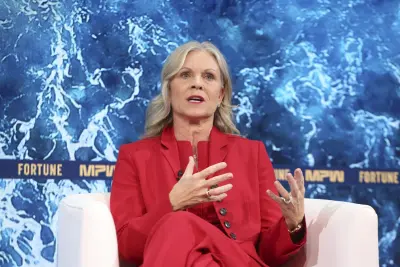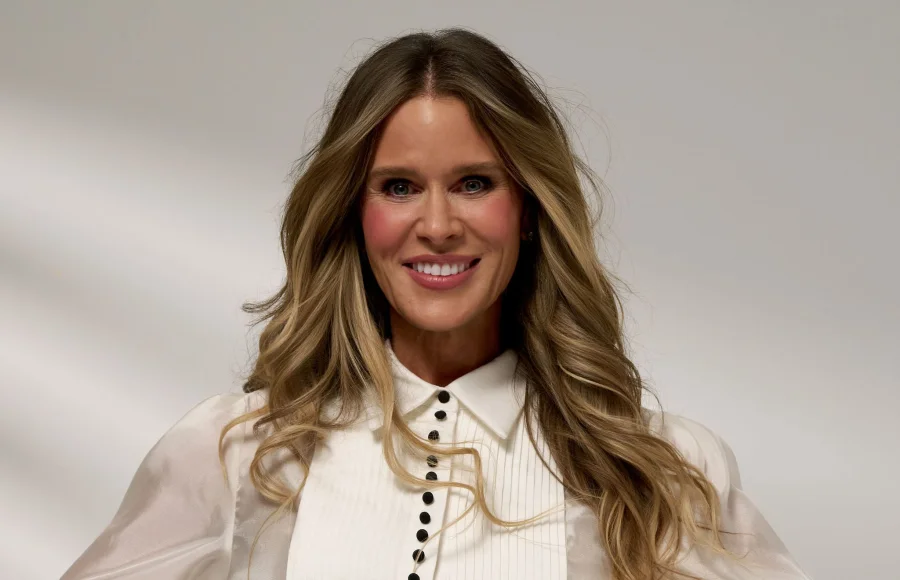
McCall McPherson was 27, a practicing physician assistant, and on the very drug that nearly 90% of thyroid patients in the U.S. rely on. Yet she found herself spending 16 hours a day in bed, unable to function.
She would go to work, come home at 3:30 p.m., and lie flat on her back through the evening. Weekends were the same. She had gained weight, was losing hair, felt depressed, and couldn't think clearly.
"Literally, I did not get out of bed," McPherson told Fortune. "My life was a constant chase of, well, I have to rest enough to recover for the day and rest enough to prepare for tomorrow."
A Doctor's Dismissal: When Standard Care Fails
So she did all she knew to do: go back to her doctor and ask to adjust her medication. He ran a single lab, told her the thyroid was fine, and suggested she eat less and exercise more.
For millions of thyroid patients, this is a familiar story. The standard of care—a single TSH test and a prescription for levothyroxine—often misses the full picture. McPherson's experience is a stark example of how the system can fail even those who work within it.
The Hidden Crisis: Why Standard Thyroid Treatment Isn't Working
Thyroid disease affects an estimated 20 million Americans, with women five to eight times more likely to be diagnosed. Yet many patients report persistent symptoms despite "normal" lab results.
McPherson's case highlights a critical gap: the reliance on a single biomarker (TSH) to assess thyroid function. Experts argue that comprehensive testing—including free T3, free T4, and antibodies—is often needed to diagnose underlying issues like Hashimoto's thyroiditis or conversion problems.
From Bedridden to CEO: The Self-Funded Journey
Instead of accepting her fate, McPherson began researching her own condition. She discovered that her body wasn't converting the synthetic T4 (levothyroxine) into the active T3 hormone effectively.
She switched to a different treatment protocol, including natural desiccated thyroid and lifestyle changes. The transformation was dramatic. Within weeks, her energy returned, her hair stopped falling out, and her brain fog lifted.
But she realized that most patients don't have the medical knowledge or resources to advocate for themselves. So she decided to build a solution.
Building a Clinic from Scratch: No Investors, No Loans
McPherson self-funded her clinic, using her own savings and income from her physician assistant job. She started small, seeing patients in a rented office, and gradually expanded.
Today, her clinic is a multimillion-dollar enterprise, offering comprehensive thyroid care that includes advanced lab testing, personalized treatment plans, and patient education. It operates on a direct-pay model, bypassing insurance constraints that often limit thyroid testing.
What Makes Her Clinic Different: A New Standard of Care
Unlike traditional endocrinology practices, McPherson's clinic focuses on root-cause analysis. Patients receive a full thyroid panel, including antibodies, reverse T3, and nutrient levels.
Treatment plans are individualized, often combining T4/T3 therapy, dietary changes, and stress management. The clinic also addresses common co-factors like gut health, adrenal function, and inflammation.
The Human Impact: Patients Who Finally Feel Heard
McPherson's clinic has attracted patients from across the country, many of whom have been dismissed by multiple doctors. They describe feeling validated for the first time.
"I was told I was fine for years," one patient told the clinic. "I thought I was going crazy. Now I have my life back."
Confirmed Facts vs What Remains Unclear
Confirmed: McPherson was a practicing physician assistant, bedridden 16 hours a day, on levothyroxine. Her doctor ran a single lab and dismissed her. She self-funded and built a multimillion-dollar thyroid clinic.
Unclear: The exact revenue or valuation of the clinic. The specific location or name of the clinic. The precise timeline from diagnosis to clinic launch. These details have not been publicly disclosed.
Company Moat: Why This Clinic Matters
McPherson's clinic has a unique moat: it is built on lived experience. Unlike traditional practices, it combines medical authority with patient empathy. The direct-pay model allows for comprehensive testing that insurance often denies. The clinic's reputation is built on word-of-mouth from patients who have been failed by the system.
Risks and Balanced View
Critics argue that direct-pay models can create access barriers for low-income patients. Some endocrinologists caution against over-reliance on natural desiccated thyroid, citing inconsistent potency. Others question whether patient-led clinics can maintain the same rigor as academic medical centers.
McPherson acknowledges these concerns but argues that the current system is failing millions. "Patients deserve better than a single lab test and a one-size-fits-all pill," she says.
Wider Trend: The Rise of Patient-Led Healthcare
McPherson's story is part of a broader movement: patients who have been failed by the system are building their own solutions. From diabetes management apps to autoimmune clinics, patient-led innovation is reshaping healthcare.
This trend is driven by frustration with insurance constraints, short appointment times, and a lack of personalized care. It also reflects the growing power of online communities where patients share knowledge and advocate for better treatment.
Practical Reader Guidance: What to Do If You Suspect Thyroid Issues
If you have persistent symptoms despite "normal" labs, consider these steps:
- Ask for a full thyroid panel: TSH, free T3, free T4, reverse T3, and thyroid antibodies (TPO and Tg).
- Track your symptoms: Energy, mood, weight, hair, temperature, and digestion.
- Consider a functional medicine or integrative doctor who looks at root causes.
- Check nutrient levels: Iron, ferritin, vitamin D, B12, selenium, and zinc are critical for thyroid function.
- Don't accept dismissal. If one doctor won't listen, find another.
Future Outlook: What Could Happen Next
McPherson's clinic may expand to multiple locations or launch a telehealth platform to reach more patients. The growing awareness of thyroid misdiagnosis could pressure insurance companies to cover comprehensive testing. However, regulatory hurdles and resistance from traditional endocrinology remain significant barriers.
Our Take
McCall McPherson's story is not just about one woman's resilience. It is a damning indictment of a healthcare system that dismisses patients, especially women, when their symptoms don't fit a narrow template. Her clinic is a testament to what happens when a patient becomes her own advocate—and then becomes a doctor for others. The question is: how many more patients need to suffer before the system changes?
Frequently Asked Questions
What is levothyroxine and why does it fail some patients?
Levothyroxine is synthetic T4, the standard treatment for hypothyroidism. It fails some patients because their bodies cannot convert T4 into the active T3 hormone effectively. This can be due to genetic factors, nutrient deficiencies, or underlying conditions like Hashimoto's.
How common is thyroid misdiagnosis?
Thyroid misdiagnosis is widespread. Many patients with normal TSH levels still have symptoms due to autoimmune issues, conversion problems, or nutrient deficiencies. Studies suggest that up to 10% of the population may have undiagnosed thyroid dysfunction.
What tests should a thyroid patient ask for?
A comprehensive thyroid panel includes: TSH, free T3, free T4, reverse T3, thyroid peroxidase antibodies (TPO), and thyroglobulin antibodies (Tg). Nutrient tests for iron, ferritin, vitamin D, B12, selenium, and zinc are also important.
Can a patient-led clinic really be as effective as a traditional one?
Patient-led clinics often excel at empathy and personalized care, but they may lack the research infrastructure of academic centers. The best approach is to find a provider who combines medical expertise with a willingness to listen and investigate root causes.