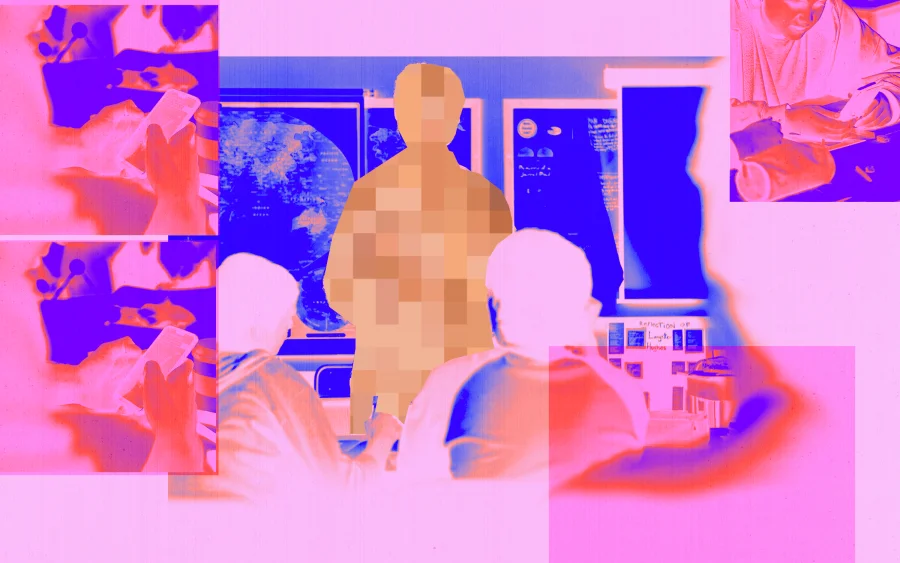
The classroom was supposed to be their sanctuary. A place of trust, structure, and purpose. But for four educators profiled in a new WIRED investigation, that sanctuary was shattered when they discovered sexualized, AI-generated images of themselves circulating online—images they never posed for, never consented to, and could not stop.
When the Unthinkable Becomes a Downloadable File
The teachers, whose identities were protected in the report, described the moment of discovery as surreal and horrifying. A colleague's tip. A student's whisper. A link shared in a private group. Then, the image itself—a face they recognized in the mirror, contorted into a scenario they would never have imagined.
This is not a distant dystopian scenario. It is happening now, in schools across the country, and the victims are not just students. The WIRED investigation reveals a troubling pattern: educators are increasingly becoming targets of AI-generated image abuse, a crime that current systems are woefully unprepared to address.
Why This Crisis Hits Educators Especially Hard
For a teacher, reputation is everything. It is the currency of trust that allows them to stand before a classroom and command respect. When a deepfake surfaces, that currency is devalued instantly. The teachers reported feeling exposed, humiliated, and powerless—not just because of the images themselves, but because of the silence that followed.
One teacher told WIRED that the experience felt like a violation of their entire professional identity. They had dedicated their lives to shaping young minds, only to have their own image weaponized in a way that made them question their safety and their future in the profession.
The Accountability Void: Where Do Victims Turn?
The most disturbing finding in the investigation is not the existence of the deepfakes, but the difficulty victims faced in finding accountability. When the teachers approached their schools, they often met with confusion and inaction. Administrators, already stretched thin, lacked clear policies for handling AI-generated abuse.
Law enforcement presented another hurdle. Many officers are not trained to investigate digital crimes of this nature, and the legal framework around deepfakes remains a patchwork of state laws and platform policies. The result is a justice gap where victims are left to navigate a complex, often fruitless, process on their own.
The Human Toll: Beyond the Screen
The emotional impact on the teachers was profound. They described sleepless nights, anxiety attacks, and a constant, gnawing fear of being recognized. The images, once posted, are nearly impossible to fully erase from the internet. They exist in a digital purgatory, waiting to resurface at any moment.
This is not just a story about technology. It is a story about the people who fall through the cracks when technology outpaces our ability to protect them. It is about the quiet devastation of a professional whose life's work is overshadowed by a lie they cannot control.
What Schools and Policymakers Are Failing to Address
The WIRED investigation serves as a stark warning to educational institutions. The deepfake epidemic in schools is not a future threat; it is a present reality. Schools must develop clear, compassionate protocols for supporting staff who become victims. This includes counseling, legal assistance, and a commitment to not blaming the victim.
Policymakers, too, have a role to play. The current legal landscape is fragmented, leaving victims without consistent recourse. A federal standard for deepfake abuse, with clear penalties for creators and distributors, would send a strong message that this behavior is unacceptable.
Confirmed Facts vs. What Remains Unclear
Confirmed: WIRED interviewed four teachers who were victims of sexualized AI deepfakes. The teachers reported difficulty finding accountability from schools and law enforcement.
Unclear: The specific identities of the teachers and the exact legal outcomes of their cases were not disclosed in the summary. The full scope of the deepfake epidemic among educators remains unknown, as many cases likely go unreported due to shame and fear.
The Technology Behind the Abuse: A Double-Edged Sword
AI image generation tools have democratized creativity, but they have also democratized abuse. What once required sophisticated skills can now be done with a few clicks and a free app. This accessibility is what makes the problem so pervasive and so difficult to combat.
The technology is not inherently evil, but it is indifferent. It does not care about the lives it upends or the careers it destroys. That responsibility falls on the humans who use it, and on the systems that fail to hold them accountable.
Risks and the Need for a Balanced View
While the focus is on the victims, it is important to acknowledge the complexity of the issue. Some argue that deepfake laws could infringe on free speech, while others worry about the burden on platforms to police content. These are legitimate concerns that must be weighed against the very real harm caused by image abuse.
However, the stories of these four teachers make the stakes clear. This is not about censorship; it is about consent. It is about protecting individuals from having their likeness stolen and weaponized against them.
A Wider Pattern: The Normalization of Digital Violence
The teachers' experiences are part of a broader, disturbing trend. As AI becomes more integrated into daily life, the potential for misuse grows. What begins as a prank or an act of malice can quickly spiral into a campaign of harassment with lasting consequences.
This investigation is a reminder that the digital world is not separate from the real one. The harm inflicted online is felt acutely in the physical world, in the sleepless nights, the strained relationships, and the shattered sense of security.
Practical Guidance for Educators and Administrators
For teachers who suspect they may be victims of deepfake abuse, the first step is to document everything. Save URLs, screenshots, and any metadata associated with the images. Report the content to the platform where it is hosted, and file a complaint with local law enforcement.
Administrators should educate themselves on the issue and create a supportive environment where staff feel safe coming forward. Silence and inaction only compound the trauma.
What Happens Next: The Fight for Accountability
The fight for accountability is just beginning. As more victims come forward, the pressure will mount on lawmakers and tech companies to act. The question is not whether change will come, but whether it will come fast enough to protect the next victim.
For now, the four teachers in the WIRED investigation remain in a state of limbo, their lives forever altered by images they never authorized. Their stories are a call to action—a reminder that behind every deepfake is a real person, and behind every real person is a life that deserves protection.
Our Take
This story is a chilling illustration of how technology can outpace ethics. The teachers' ordeal is not an isolated incident but a symptom of a systemic failure to adapt our laws and norms to the digital age. It is a failure that will only grow more pronounced as AI tools become more sophisticated.
The most urgent takeaway is the need for empathy. Behind the headlines and the policy debates are real people whose lives have been upended. Their voices, like those of the four teachers, must be heard. Their demand for accountability must be met with action, not indifference.
Frequently Asked Questions
What is a deepfake and how is it created?
A deepfake is a synthetic image, video, or audio created using artificial intelligence to depict someone doing or saying something they never did. It is made by training AI algorithms on images of a person, then generating new content that mimics their likeness.
Why are teachers becoming targets of deepfakes?
Teachers are often targeted because they are public figures within their communities, making them easy to identify and photograph. The abuse may stem from personal grudges, student pranks, or malicious individuals seeking to humiliate and control.
What should a teacher do if they discover a deepfake of themselves?
Document all evidence, report the content to the hosting platform, file a complaint with local law enforcement, and seek legal counsel. It is also important to reach out to a trusted administrator or counselor for emotional support.
Are there laws against creating and sharing deepfakes?
Laws vary by jurisdiction. Some states have enacted specific legislation against non-consensual deepfake pornography, while others rely on broader harassment or defamation statutes. Federal law is still evolving, and victims often face a complex legal landscape.