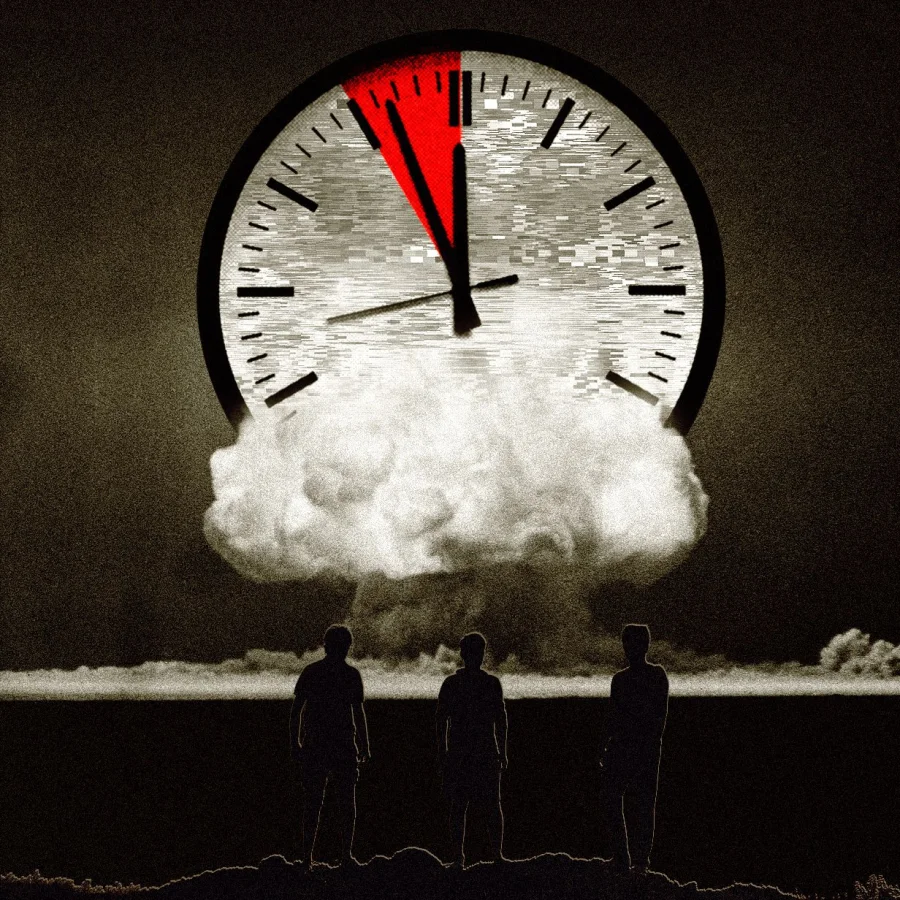
The clock is ticking. Some of the most influential voices in artificial intelligence are now saying what many in the security world have feared: a full-blown cybersecurity catastrophe could hit within months, not years. This isn't a movie plot — it's a warning from the people building the very technology that could either save us or leave us exposed.
Why AI Leaders Are Raising the Alarm Now
The core of the warning is speed. AI-powered hacking tools are evolving faster than traditional defenses can adapt. According to the warning, the gap between offensive and defensive capabilities is narrowing at a dangerous pace.
Experts point to automated phishing, deepfake social engineering, and self-learning malware as threats that no longer need human oversight. The result is a landscape where attacks can scale overnight.
The Real-World Target: America's Water Systems
The warning is not abstract. Reports indicate that hackers have already targeted over 100 water systems across the United States. These are not small, isolated incidents — they represent a coordinated effort to probe critical infrastructure.
Water treatment plants, pumping stations, and distribution networks are often running on outdated software. That makes them prime targets for attackers who understand that a disruption here affects millions of lives directly.
From Digital Threats to Physical Consequences
When a water system is compromised, the impact is immediate and visceral. Contaminated water, interrupted supply, or ransom demands that shut down operations are not hypothetical scenarios. They are the logical endpoint of a successful cyberattack on public utilities.
For ordinary citizens, this means the threat is no longer just about stolen credit cards or leaked passwords. It is about the safety of the water coming out of the tap.
How Did We Get Here? The Rapid Evolution of Cyber Threats
The journey to this point has been swift. Over the past decade, cybercrime has shifted from individual hackers seeking notoriety to organized groups and state-sponsored actors with strategic goals.
Artificial intelligence has accelerated this shift. Attackers now use AI to find vulnerabilities faster, craft more convincing scams, and evade detection systems that were designed for slower, less adaptive threats.
Who Is Most at Risk in the Coming Months
The most vulnerable are not large corporations with dedicated security teams. The real risk sits with small municipalities, rural water districts, and local government agencies that lack the budget for advanced cyber defense.
These entities often run legacy systems with known vulnerabilities. The warning from AI giants suggests that these are the exact targets that could be hit first and hardest.
What Officials and Experts Are Saying
The warning has prompted calls for immediate action from cybersecurity professionals. The consensus is that waiting for a major incident to trigger reform is no longer acceptable.
Officials are being urged to treat cyber defense as a public safety issue, on par with physical infrastructure maintenance. The message is clear: prepare now, or respond to a crisis later.
Why This Warning Feels Different From Past Alerts
Cybersecurity experts have warned about threats for years, but this specific warning carries a different weight. It comes from the AI industry itself — the group most aware of what the technology can do.
When the people building the tools say the danger is imminent, it signals a shift from theoretical risk to practical reality. The timeline of "months" is what makes this urgent.
Confirmed Facts vs What Remains Unclear
What is confirmed: AI leaders have issued a public warning about a near-term cybersecurity crisis. Reports of attacks on over 100 US water systems have been documented.
What remains unclear: The exact nature of the predicted "apocalypse" is not fully defined. It is unclear whether this refers to a single massive event or a sustained wave of attacks. The specific timeline is also a projection, not a confirmed date.
The Technology Race: Offense vs Defense
At the heart of this warning is a simple equation: offensive AI is advancing faster than defensive AI. Attackers can deploy new tactics in hours, while defenders often take weeks to patch vulnerabilities.
This asymmetry is the core reason for the urgency. Closing this gap is not just a technical challenge — it is a race against time.
Risks and the Skeptical View
Not everyone agrees that an "apocalypse" is imminent. Some analysts argue that such warnings are exaggerated to push for more funding or stricter regulation of AI development.
Critics also point out that predicting cyber disasters has historically been unreliable. However, even skeptics acknowledge that the trend line is moving in the wrong direction.
The Bigger Pattern: Critical Infrastructure Under Siege
This warning fits into a broader pattern of attacks on essential services. From hospitals to power grids, critical infrastructure has become the preferred target for high-impact cybercrime.
The water system attacks are a clear signal that no sector is off-limits. The pattern suggests that attackers are looking for maximum disruption with minimum effort.
What Should You Do Now
For individuals, the practical steps remain the same: update software, use strong passwords, and be wary of unsolicited messages. But the bigger responsibility lies with institutions.
If you live in a small community, ask your local officials what they are doing to secure water and power systems. Public pressure can drive faster action than internal bureaucracy.
What Happens Next
The coming months will reveal whether this warning was prescient or precautionary. What is certain is that the conversation around AI and cybersecurity has shifted permanently.
Expect to see increased government focus on critical infrastructure protection, new regulations around AI development, and a surge in investment in defensive technologies.
Our Take
This warning deserves attention, not panic. The fact that AI leaders are speaking out suggests a genuine concern that the technology they are advancing could outpace our ability to control it.
The focus on water systems is particularly telling. It shows that the threat is not abstract — it is about the basic services that keep society functioning. The next few months will test whether institutions can move fast enough to stay ahead.
Frequently Asked Questions
What is the cybersecurity apocalypse warning?
AI industry leaders are warning that a severe, large-scale cybersecurity crisis could occur within months due to the rapid advancement of AI-powered hacking tools outpacing defensive measures.
Why are water systems being targeted by hackers?
Water systems often run on outdated software and lack robust security, making them vulnerable targets. Attacks on over 100 US water systems have been reported, highlighting the risk to critical infrastructure.
How can AI make cyberattacks worse?
AI can automate phishing, create realistic deepfakes, and develop self-learning malware that adapts to defenses. This allows attacks to scale faster and be more difficult to stop than traditional methods.
What can individuals do to protect themselves?
Keep software updated, use strong and unique passwords, enable two-factor authentication, and be cautious of unsolicited emails or messages. Institutional action is also needed to secure critical infrastructure.