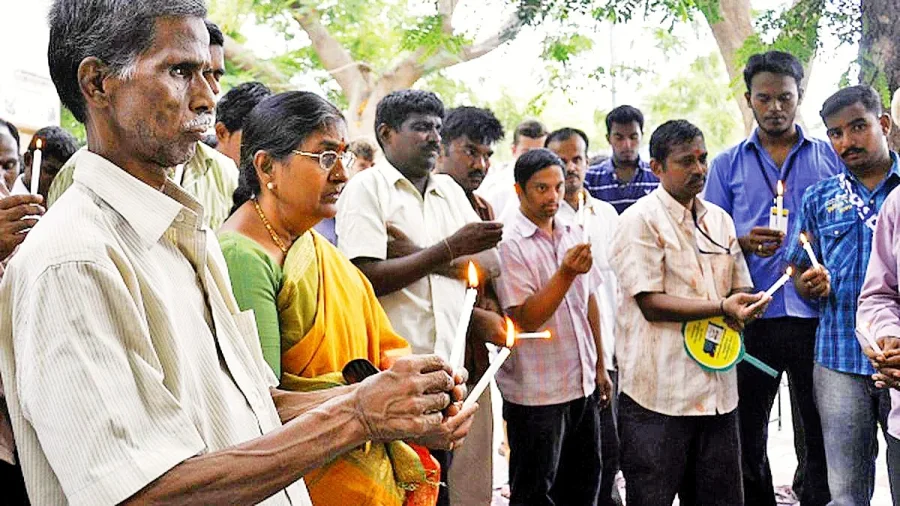
The sign is stark, almost jarring against the spiritual calm of the shrine: "No one is allowed to be chained." For most visitors to the Baba Saeed Ibrahim Dargah in Erwadi, Tamil Nadu, it is a confusing warning. But for those who remember 6 August 2001, it is a permanent scar—a reminder of the night when 28 people, chained to their beds in a thatched asylum, were burned alive as a fire swept through the compound. The chains have been removed, but the deeper problem that created that horror has not been solved.
A National Awakening Born from Ashes
The Erwadi fire was not just a tragedy; it was a brutal exposure of India's dark underbelly of mental health care. It revealed a network of unregulated private asylums where desperate families paid to have their mentally ill relatives shackled, often for years. The inmates were not patients; they were prisoners in plain sight, hidden from a formal healthcare system that had failed them and a society that had abandoned them.
Why the Erwadi Tragedy Still Matters Today
The public outrage following the fire forced a national reckoning. The Supreme Court intervened, directing states to ensure that no mentally ill person is chained. This eventually led to the progressive Mental Healthcare Act of 2017, which decriminalized suicide and asserted the right to mental healthcare as a fundamental right. Yet, the law on paper has not fully translated into reality on the ground.
The Long Road from 2001 to Now
In the aftermath of the fire, the focus was on shutting down illegal asylums. The immediate crisis was addressed, but the systemic issues—a severe shortage of psychiatrists, inadequate public mental health infrastructure, and pervasive stigma—remained unaddressed. The chains at Erwadi were removed, but the desperation that led families to chain their loved ones in the first place persists.
The Unseen Victims: Families Caught in a Vicious Cycle
The tragedy at Erwadi was a family crisis as much as a healthcare failure. Families, often from rural and impoverished backgrounds, were left with no affordable options. They turned to faith healers and unlicensed asylums not out of cruelty, but out of helplessness. The shame and stigma associated with mental illness made them hide their relatives, and the lack of accessible care made chaining seem like the only "safe" option. This human desperation is the core of the problem that remains.
What the Authorities Have Done—and What They Haven't
While the government has enacted progressive laws, implementation has been slow. The District Mental Health Programme remains underfunded and understaffed. The promise of community-based rehabilitation, which would have prevented the need for such asylums, is still largely on paper. The sign at the Dargah is a symbolic victory, but the absence of a robust mental health safety net means the conditions that created Erwadi can still fester in other forms.
Beyond the Chains: The Real Crisis of Care
The "problem" that persists is not just about physical restraints. It is about the absence of dignity and the failure of a system to provide humane, accessible care. It is about the 90% treatment gap for mental illness in India, where most people with severe conditions never see a trained professional. The chains were a symptom; the disease is a healthcare system that still treats mental health as a low priority.
Confirmed Facts vs. What Remains Unclear
Confirmed: The 2001 fire at Erwadi killed 28 chained inmates. The site now displays signs prohibiting chaining. The incident led to the Supreme Court's intervention and the Mental Healthcare Act of 2017.
Unclear: The current scale of unlicensed asylums operating in India today. The exact number of patients still subjected to physical restraints in faith-based healing centres across the country remains unquantified, as these operations are often hidden from official view.
The Stigma That Keeps the Problem Alive
Perhaps the most stubborn chain is the social stigma attached to mental illness. As long as families view mental health issues as a source of shame rather than a medical condition, they will continue to seek out hidden, unregulated solutions. The sign at Erwadi is a reminder of the past, but the fight against stigma is the battle for the future.
What Should Change Now for Families Seeking Help
For families struggling with a mentally ill relative, the first step is to recognize that mental illness is a treatable medical condition, not a curse or a moral failing. They should seek help from government district hospitals or medical colleges, which are legally mandated to provide psychiatric care. Helplines like Tele-MANAS (14416) offer free counselling and can guide families to the right resources, avoiding the trap of unlicensed asylums.
The Future of Mental Health Care in India
The next phase requires moving beyond symbolic gestures. It demands investment in grassroots mental health workers, integrating mental health into primary care, and launching public awareness campaigns that are as powerful as the shame that drives families to despair. The chains at Erwadi are gone, but the promise of dignity for the mentally ill is still waiting to be fully delivered.
Our Take
The Erwadi tragedy is a stark lesson in how a single, horrific event can force legal change, but not necessarily social or systemic transformation. The sign at the Dargah is a necessary memorial, but it is also a daily indictment of a system that has failed to replace the chains with compassion. The problem persists because the solution requires more than just removing physical restraints—it requires building a society that sees mental illness with empathy, not fear. Until that happens, the ghost of Erwadi will continue to haunt India's conscience.
Frequently Asked Questions
What happened at Erwadi in 2001?
On 6 August 2001, a fire broke out in a thatched mental asylum near the Baba Saeed Ibrahim Dargah in Erwadi, Tamil Nadu. All 28 inmates, who were chained to their beds to prevent escape, died in the fire. The tragedy exposed the widespread practice of keeping mentally ill people in unregulated, inhumane private asylums.
Why does the Erwadi Dargah have a sign saying "No one is allowed to be chained"?
The sign is a direct response to the 2001 tragedy. It serves as a public commitment and a reminder that the practice of chaining mentally ill people, which was common at the time, is no longer permitted at the shrine. It symbolizes the legal and moral shift that followed the fire.
What is the Mental Healthcare Act 2017?
The Mental Healthcare Act 2017 is a landmark Indian law that gives every person the right to access mental healthcare from government-run services. It decriminalized suicide, banned electroconvulsive therapy without anaesthesia, and established a framework to protect the rights of people with mental illness, partly as a response to the Erwadi tragedy.
Is chaining of mentally ill people still a problem in India?
While the practice has been officially banned and is no longer as visible as it was before 2001, reports of mentally ill individuals being chained in private homes, faith-based healing centres, and unlicensed facilities still surface from various parts of India. This is often due to a lack of access to proper mental health services and persistent social stigma.