Summary
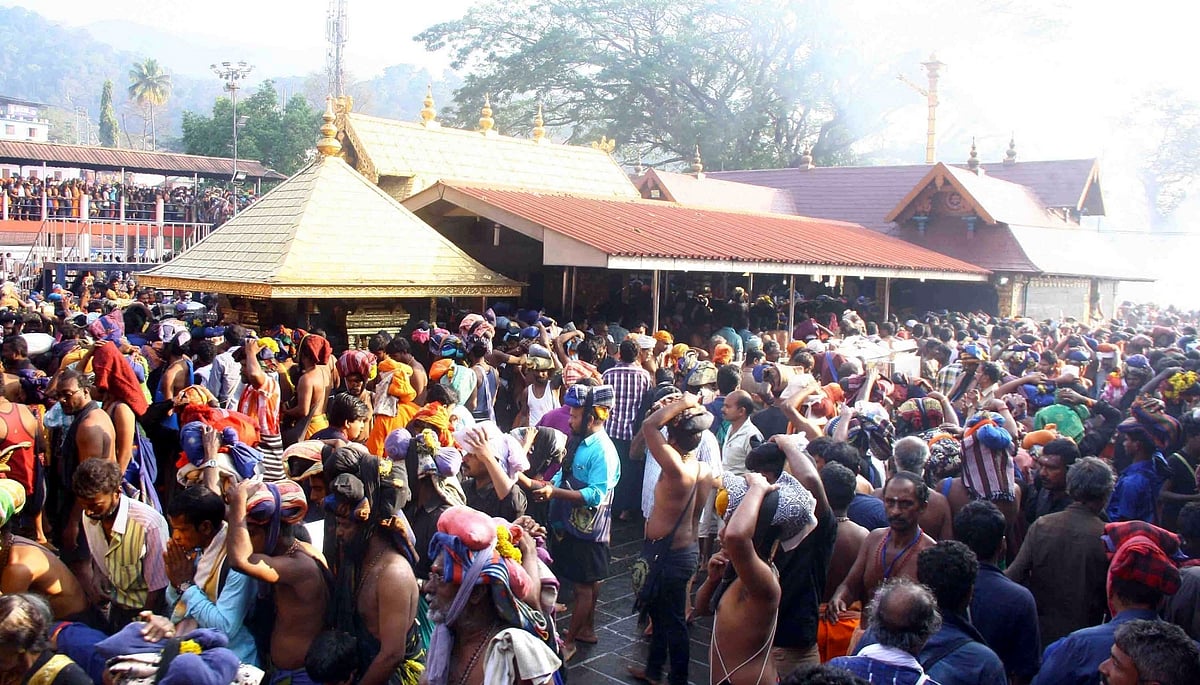
The Supreme Court of India has announced that a special nine-judge bench will begin final hearings on April 7, 2026, regarding religious discrimination against women. This major legal process will focus on whether religious traditions can legally prevent women from entering sacred places, such as the Sabarimala temple. The court aims to complete all arguments and reach a conclusion by April 22, 2026. This case is highly significant as it balances the right to practice religion with the right to gender equality.
Main Impact
This legal battle will have a lasting effect on how religious freedom is understood in India. While the case started with the Sabarimala temple in Kerala, the final decision will likely apply to many other religious practices across different faiths. It addresses the core question of whether individual rights, like equality for women, should come before the traditional rules of a religious group. The outcome could change how temples, mosques, and other places of worship manage their traditions and entry rules for years to come.
Key Details
What Happened
On Monday, a bench led by Chief Justice Surya Kant, along with Justice Joymalya Bagchi and Justice Vipul M. Pancholi, set a strict timeline for this historic case. The Chief Justice will form a nine-judge Constitution bench to hear the arguments. This is a very large group of judges, which is only used for the most important legal questions in the country. The court has made it clear that they want the process to be organized and fast, asking all lawyers to stick to the dates provided.
Important Numbers and Facts
The court has laid out a specific calendar for the legal proceedings. All parties must submit their written arguments by March 14, 2026. The oral hearings will then follow this schedule:
- April 7 to April 9: The court will hear from those who want to review the previous Sabarimala ruling and those who support them.
- April 14 to April 16: The court will hear from those who oppose the review and want to keep the current rules.
- April 21: This day is reserved for "rejoinder" arguments, which are responses to what the other side said.
- April 22: The final concluding arguments will be presented by the legal experts helping the court.
To keep things moving, the court appointed "nodal counsel" to manage the paperwork. Krishna Kumar Singh will represent the side asking for a review, and Shashwati Pari will represent the side opposing it. Two other senior lawyers, K. Parameshwar and Shivam Singh, will act as "amici curiae," which means they are friends of the court who provide expert, neutral advice.
Background and Context
This issue became a national topic several years ago because of the Sabarimala temple. For a long time, the temple did not allow women between the ages of 10 and 50 to enter, citing old traditions. In 2018, the Supreme Court ruled that this ban was unconstitutional and that women of all ages must be allowed to pray there. However, this decision led to many protests and legal challenges. Many people felt the court should not interfere with religious traditions that have existed for centuries.
Because there were so many different opinions and legal points, the court decided that a larger group of nine judges was needed to look at the big picture. They are not just looking at one temple anymore. They are looking at how the law should handle any situation where a religion treats men and women differently. This includes issues like women entering mosques or the rights of women in other religious communities.
Public or Industry Reaction
The central government has shared its position on the matter. Solicitor General Tushar Mehta told the court that the government supports the petitions that want to review the 2018 Sabarimala verdict. This means the government is siding with those who believe traditional religious practices should be protected. On the other hand, many activists and legal experts argue that no tradition should be allowed to break the basic right to equality. In the past, political meetings about this topic have ended without an agreement, showing how deeply divided the country is on this issue.
What This Means Going Forward
The next few months will be a busy time for the Indian legal system. Once the hearings begin in April, the nine judges will have to weigh very difficult arguments. They must decide if the "essential practices" of a religion can override the right to be free from discrimination. If the court decides that equality is more important, it could lead to major changes in how many religious sites are run. If they decide that religious traditions should be protected, it might limit the court's power to change religious rules in the future. The strict schedule suggests the court wants to provide a clear answer quickly to avoid further confusion and social tension.
Final Take
This case is a defining moment for India's democracy. It forces the highest court to choose between two very important values: the freedom to follow one's faith and the right for every citizen to be treated equally regardless of their gender. By setting a final date for the hearings, the Supreme Court is moving toward a resolution that will affect the social and religious life of millions of people. The world will be watching to see how India balances its ancient traditions with modern constitutional rights.
Frequently Asked Questions
What is the Sabarimala case about?
It is a legal dispute over whether women of all ages should be allowed to enter the Sabarimala temple in Kerala. Traditionally, women between the ages of 10 and 50 were not allowed inside, but a 2018 court ruling changed that. Now, the court is reviewing that decision.
Why are there nine judges for this hearing?
A nine-judge bench is used for cases that involve very important questions about the Constitution. Because this case affects religious freedom and equality for the whole country, a large group of judges is needed to make a final, authoritative decision.
When will we know the final decision?
The hearings are scheduled to end on April 22, 2026. After the hearings finish, the judges will take some time to discuss and write their judgment. A final announcement usually comes a few weeks or months after the arguments end.
![Due Diligence Landman – Bakken [Remote]](/storage/media/images/1778787588_chatgpt-image-may-15-2026-12-57-07-am.webp)