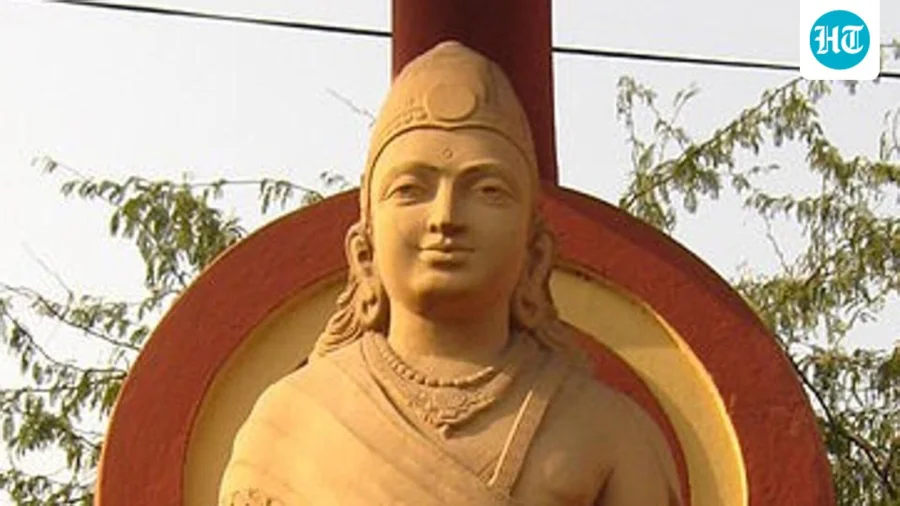
The story of Indian history is not just one of grand empires and cultural achievements — it is also a story of ambition, betrayal, and the relentless pursuit of power. By the time of emperor Ashoka Maurya in the 3rd century BCE, succession to kingship had become a deeply entrenched lineage-based right. This seemingly simple principle — that the throne passes through bloodlines — set the stage for some of the most dramatic and violent rivalries in ancient India.
The Mauryan precedent: Ashoka's own path to power
Ashoka Maurya, often celebrated for his embrace of Buddhism and non-violence after the Kalinga War, came to power through a brutal succession struggle. Historical accounts, including Buddhist texts, suggest that after the death of his father, Bindusara, Ashoka fought his brothers to claim the throne. The exact number of siblings and the nature of the conflict remain debated, but the pattern is clear: lineage was the ticket to power, and the competition was fierce.
Why lineage-based succession sparked conflict
The idea that kingship was a hereditary right created a system where multiple claimants — sons, brothers, cousins — could all argue for the throne. Unlike modern systems with clear rules of primogeniture (where the eldest inherits), ancient Indian kingdoms often had ambiguous succession norms. This ambiguity turned every royal death into a potential crisis, as rival factions backed different candidates. The result was a cycle of wars, assassinations, and political instability that affected not just the royal family but the entire kingdom.
Timeline of succession struggles in ancient India
The pattern of succession rivalries predates Ashoka. The Mahabharata, an epic composed centuries earlier, is essentially a story of a succession dispute within the Kuru dynasty. By the Mauryan period, these conflicts had become institutionalized. After Ashoka's death, his own empire fragmented due to succession disputes among his sons and grandsons. The Shunga dynasty, which followed, also faced internal power struggles. This cycle continued across later empires like the Guptas, where succession wars were common.
Human impact: How succession rivalries affected ordinary lives
For common people, these royal battles were not distant dramas. Succession wars often meant increased taxes to fund military campaigns, conscription of men into armies, and destruction of villages caught in the crossfire. Trade routes could be disrupted, and famines sometimes followed political instability. The fate of a kingdom — and the lives of its subjects — hinged on who won the throne. This made succession rivalries a matter of survival for many.
What historical sources reveal about these conflicts
Historians rely on a mix of sources to understand these rivalries: inscriptions on pillars and rocks (like Ashoka's edicts), Buddhist and Jain texts, Greek accounts from ambassadors like Megasthenes, and later chronicles. These sources often provide conflicting details, but they consistently highlight the centrality of lineage. For instance, the *Ashokavadana*, a Buddhist text, describes Ashoka's violent rise. While some details may be embellished, the core narrative of a succession struggle is widely accepted.
Analysis: Why succession rivalries were more than family feuds
These rivalries were not just personal dramas — they reflected deeper political structures. Lineage-based succession meant that the legitimacy of a king depended on his bloodline, not his competence. This created a system where power was inherently unstable. Ambitious princes could always challenge a ruler by claiming a stronger lineage. This instability sometimes led to the rise of capable rulers who consolidated power, but it also made empires vulnerable to external invasions and internal collapse.
Confirmed facts vs what remains unclear
Confirmed: Ashoka Maurya came to power after a succession struggle following Bindusara's death. Lineage-based kingship was the norm in ancient India by the 3rd century BCE. Succession disputes are documented in multiple historical sources.
Unclear: The exact number of Ashoka's brothers and the details of their conflict. Whether all succession wars were as violent as described in some texts. The specific succession norms in different regions and dynasties.
Risks and balanced view: The costs of lineage-based rule
While lineage-based succession provided a clear framework for who could rule, it also had significant downsides. It often ignored merit, leading to weak or incompetent kings. It encouraged infighting that drained resources. Critics argue that this system contributed to the eventual decline of many empires. However, supporters note that it also provided stability in times of peaceful succession, as seen in some later dynasties like the Cholas, where succession was more orderly.
Wider trend: Succession rivalries across ancient civilizations
India was not unique. Succession rivalries plagued ancient Rome, Persia, and China. In Rome, the death of an emperor often sparked civil wars among generals and claimants. In China, the Warring States period was partly driven by succession disputes. What made India distinct was the deep cultural emphasis on lineage, reinforced by religious texts and social norms, which made bloodline the ultimate source of legitimacy.
Practical guidance for history enthusiasts
For readers interested in exploring this topic further, start with primary sources like Ashoka's edicts (available online through academic databases) and secondary works by historians like Romila Thapar. Visiting archaeological sites like Sanchi or Sarnath can provide a tangible connection to the Mauryan era. Understanding succession rivalries also helps in analyzing modern political dynasties in India and elsewhere.
Future outlook: What new research might reveal
Ongoing archaeological excavations and advances in textual analysis may shed more light on specific succession crises. For example, new inscriptions or reinterpretations of existing texts could clarify the role of queens, ministers, and military commanders in these power struggles. Digital humanities projects are also making it easier to compare succession patterns across different dynasties.
Our Take
The story of succession rivalries in ancient India is not just a historical curiosity — it is a reminder of how political systems shape human destiny. The lineage-based model, while providing a clear rule of succession, also sowed the seeds of conflict. It is a lesson in the trade-offs between stability and flexibility, tradition and merit. As we study these ancient power games, we see echoes in modern politics, where dynastic ambitions still clash with democratic ideals.
Frequently Asked Questions
What is lineage-based succession in ancient India?
Lineage-based succession means that kingship was passed down through family bloodlines, typically from father to son or among close relatives. This system became the norm by the time of emperor Ashoka Maurya in the 3rd century BCE.
Why did succession rivalries happen so often in ancient Indian kingdoms?
Ambiguous succession rules, multiple claimants (sons, brothers, cousins), and the lack of a clear primogeniture system led to frequent conflicts. Each royal death could trigger a power struggle.
How did Ashoka Maurya come to power?
According to historical texts, Ashoka fought his brothers after the death of his father, Bindusara, to claim the Mauryan throne. The exact details remain debated, but a violent succession struggle is widely accepted.
What sources do historians use to study these succession rivalries?
Historians rely on inscriptions (like Ashoka's edicts), Buddhist and Jain texts, Greek accounts (e.g., Megasthenes), and later chronicles. These sources often provide conflicting details but consistently highlight lineage-based conflicts.