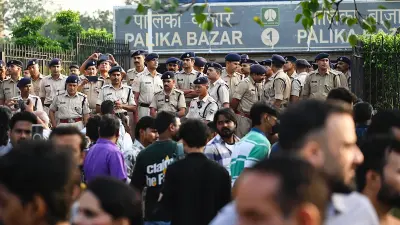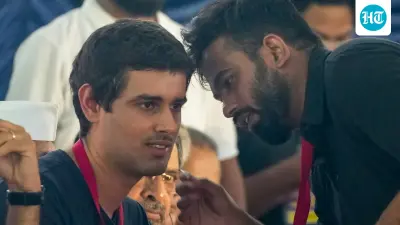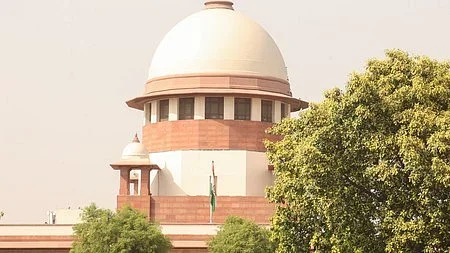
The Supreme Court on Monday declined to restrain the Cockroach Janata Party from holding its proposed protest march in Delhi on 5 September, saying it expected all sides to act peacefully, responsibly and within the law. The decision clears the way for the march to proceed, though the legal challenge remains alive.
Court’s directive on the proposed march
A bench comprising Chief Justice Surya Kant and Justices Joymalya Bagchi and V Mohana issued notice on a petition seeking a prohibition on the march. The court did not grant any interim stay, allowing the event to go ahead as scheduled.
The bench directed the petitioner to place his complaint before the High-Powered Enquiry Committee constituted to examine allegations of police violence during the NEET protests. “Let the matter be listed along with pending petitions. To be heard on 10 September,” the bench said.
Why the court’s refusal matters for protest rights
The ruling underscores a constitutional balance: the right to peaceful assembly versus public order concerns. By refusing to stop the march, the court signalled that demonstrations cannot be barred pre-emptively without stronger justification.
For organisers and participants, this means the 5 September march can proceed, but within the legal framework governing public demonstrations. The court’s emphasis on peaceful and responsible conduct applies equally to protesters and law-enforcement authorities.
Background: the NEET protests and police violence allegations
The petition emerges from broader unrest linked to NEET examinations. Allegations of police violence during earlier protests led to the constitution of the High-Powered Enquiry Committee, which is now central to this case.
The court’s decision to route the petitioner’s complaint through that committee suggests a structured approach to addressing grievances rather than pre-emptive restriction of assembly rights.
Who is affected by the 5 September march decision
Protesters planning to join the march in Delhi will be directly affected — the event can now proceed without judicial restraint. Law-enforcement agencies must manage the demonstration while ensuring compliance with legal norms.
Residents and commuters in Delhi may experience disruptions, though the court’s expectation of peaceful conduct offers some assurance. The broader student community, particularly those connected to NEET-related grievances, will watch the 10 September hearing closely.
What the Supreme Court said about conduct
The bench underlined that both protesters and law-enforcement authorities were expected to comply with the legal framework governing public demonstrations. This dual expectation reflects the court’s attempt to balance rights with responsibilities.
Officials familiar with the matter indicated that the court’s remarks were aimed at preventing escalation while preserving constitutional freedoms. No further details of the bench’s observations were immediately available.
Analysis: what this means for future protests
The refusal to stay the march sets a notable precedent. Courts typically intervene in protest matters only when there is clear evidence of imminent public harm. Here, the absence of such evidence appears to have weighed against prohibition.
Legal observers note that the 10 September hearing will be crucial. If the High-Powered Enquiry Committee finds merit in the police violence allegations, the case could take a different turn. Until then, the march remains legally permissible.
Confirmed facts vs what remains unclear
Verified: The Supreme Court issued notice and refused an interim stay on the 5 September march. The matter is listed for 10 September. The petitioner was directed to approach the High-Powered Enquiry Committee.
Unclear: The specific grounds cited by the petitioner for seeking prohibition, and whether the committee has made any findings so far. The court’s full reasoning will be available in the official order.
Risks and balanced view
Supporters of the march see the court’s decision as a victory for democratic expression. Critics, however, may argue that allowing large gatherings in Delhi carries public order risks, especially given prior violence allegations.
The court’s expectation of peaceful conduct is not legally binding in a punitive sense, but it places moral and legal pressure on all parties. Any violation could invite stricter judicial scrutiny at the next hearing.
Wider pattern: courts and protest regulation in India
This case fits a broader judicial trend of protecting assembly rights while imposing procedural safeguards. Indian courts have repeatedly held that the right to protest is fundamental, but not absolute.
The reference to the High-Powered Enquiry Committee also reflects a growing judicial preference for institutional fact-finding over blanket restrictions. This approach allows grievances to be examined without curtailing constitutional freedoms.
Practical guidance for those planning to attend
Protesters should familiarise themselves with Delhi Police regulations on public gatherings. Carrying valid identification and avoiding prohibited zones can reduce friction with authorities.
Organisers should maintain clear communication with law enforcement and designate marshals to ensure peaceful conduct. Participants should document any incidents and report them to the High-Powered Enquiry Committee if needed.
Future outlook: what happens on 10 September
The Supreme Court will hear the matter along with pending petitions on 10 September. The outcome could range from dismissal to further directions based on the committee’s findings.
If the committee reports evidence of police violence, the court may order remedial action. If no merit is found, the petition seeking prohibition may be closed. Until then, the march proceeds under judicial oversight.
Our Take
This ruling reflects a mature judicial approach — protecting the right to protest while ensuring accountability through institutional mechanisms. The decision to refuse a stay, without dismissing the petition, keeps the legal process alive without pre-judging the issues.
The real test lies in implementation. Whether the march remains peaceful and whether the enquiry committee delivers credible findings will determine the credibility of this balanced approach. For now, the court has done its part in upholding constitutional values.
Frequently Asked Questions
Can the CJP protest march on 5 September proceed?
Yes. The Supreme Court refused to restrain the march, allowing it to proceed subject to compliance with legal norms governing public demonstrations.
What did the Supreme Court order in this case?
The court issued notice on a petition seeking prohibition, directed the petitioner to approach the High-Powered Enquiry Committee, and listed the matter for hearing on 10 September.
What is the High-Powered Enquiry Committee?
It is a committee constituted to examine allegations of police violence during the NEET protests. The petitioner has been directed to place his complaint before this body.
When will the Supreme Court hear the matter next?
The matter is listed for 10 September, along with other pending petitions related to the issue.