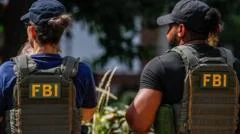
The personal health data of FBI special agents—the most sensitive information an operative possesses—has been stolen in a cyberattack. The breach, which compromised blood and urine test results, has triggered immediate alarm among security experts who warn the stolen data could be weaponized for blackmail and targeted attacks.
A Breach of the Most Personal Kind
According to the original report, the hack resulted in the theft of medical test results belonging to FBI special agents. This is not a leak of routine administrative data; it is a compromise of deeply personal biological information. The data includes blood and urine test results, which can reveal a person's health status, substance use, and genetic predispositions.
For undercover agents or those in sensitive positions, this information is a national security concern, not just a privacy issue.
Why Stolen Medical Data is a Weapon
Experts say the hack could leave agents vulnerable to a range of malicious activities. The primary concern is blackmail. An agent's medical history could be used as leverage if it contains information they wish to keep private.
Beyond blackmail, the data can fuel sophisticated scams. A criminal with access to an agent's health records could impersonate a medical professional or insurance provider to extract further information or money. It also opens the door to targeted attacks, as the data can be used to profile an individual's physical and mental vulnerabilities.
What We Know and What Remains Unclear
Based on the available information, the core fact is the theft of the data. However, significant questions remain unanswered. The exact number of agents affected, the specific method used by the hackers, and the identity of the perpetrators are all currently unknown.
It is also unclear whether the breach was a targeted attack on the FBI's systems or part of a wider campaign against government institutions. The source material does not specify if the data was encrypted or if a ransom demand has been made.
The Broader Threat Landscape
This incident is part of a worrying trend of cyberattacks targeting sensitive government and corporate data. Hackers are increasingly moving beyond financial information to target healthcare records, which are often less protected but more valuable on the black market.
For law enforcement and intelligence agencies, the risk is amplified. A compromised agent is not just a victim of identity theft; they are a potential liability in the field. This breach highlights the critical need for robust cybersecurity measures to protect not only operational secrets but also the personal well-being of personnel.
Practical Guidance for Affected Personnel
While the FBI has not issued public guidance, standard protocol for a breach of this nature would involve notifying affected individuals. Agents are advised to be vigilant for signs of identity theft, monitor their financial accounts, and be cautious of unsolicited communications from anyone claiming to be from a medical or insurance provider.
They should also report any suspicious activity to their internal security department immediately. The psychological impact of such a violation of privacy should not be underestimated.
Future Outlook
The immediate next step will be a forensic investigation to determine the scope of the breach and identify the attackers. The FBI will likely face questions about how such sensitive data was stored and protected. This incident may lead to a review of cybersecurity protocols for handling medical information across all federal agencies.
For the agents involved, the coming weeks will be a period of uncertainty as they wait to learn the full extent of the data compromise and its potential consequences for their careers and personal lives.
Our Take
This story is a stark reminder that in the digital age, the most personal aspects of our lives are only as secure as the systems that hold them. The theft of FBI agents' medical data is not just a crime; it is a profound violation of trust. It underscores that cybersecurity is not just about protecting state secrets, but about protecting the people who serve the state. The true cost of this breach will be measured not just in dollars, but in the compromised safety and peace of mind of the agents targeted.
Frequently Asked Questions
What exactly was stolen in the FBI hack?
According to the report, the stolen data includes blood and urine test results belonging to FBI special agents.
Why is this data so sensitive?
Medical test results can reveal private health conditions, substance use, and other personal information that could be used for blackmail or to profile an individual for a targeted attack.
Who is behind the FBI hack?
The identity of the hackers and the specific method of the attack have not been disclosed in the available information.
What should affected agents do?
While official guidance is pending, standard practice involves monitoring for identity theft, being wary of scams, and reporting any suspicious activity to internal security.