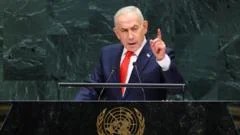
The UN General Assembly is meant to be the world's stage — a place where every nation gets a voice, no matter how contested its politics. On this day, it became a stage for something else entirely: a visible rupture. As Israeli Prime Minister Benjamin Netanyahu rose to speak, delegates stood up and walked out. Not one or two. Enough to leave rows of empty chairs behind him.
Netanyahu didn't ignore it. He called those who left "moral cowards." The room, already split, split further.
What Actually Happened Inside the UN Hall
Netanyahu took the podium to defend Israel's military action, framing it as necessary and justified. Midway through, a coordinated walkout unfolded — delegates from multiple countries exiting the chamber in protest. The exits were deliberate, visible, and clearly intended as a statement.
The Israeli leader responded directly, dismissing the departing delegates as "moral cowards" — a phrase that will likely define how this moment is remembered.
Why This Walkout Matters Beyond the UN Floor
The UN General Assembly is symbolic, but symbols carry weight. A walkout during a head of state's speech is one of the few tools smaller nations have to register dissent without veto power or military leverage.
It also signals something harder to reverse: diplomatic isolation. When allies stay seated but others leave, the message isn't just about the war — it's about who is willing to be seen standing next to Israel on the world stage.
How the Diplomatic Pressure Has Been Building
This didn't happen in a vacuum. International criticism of Israel's military campaign has been escalating for months — through UN resolutions, humanitarian warnings, and shifting positions from countries that once offered quiet support.
The walkout is the latest expression of that pressure. It's not a policy change, but it's a public signal that the cost of association is rising.
Who Feels This the Most
For Israelis, the walkout reinforces a narrative they've heard before: the world judges them unfairly. For Palestinians and their supporters, it validates a growing sense that global opinion is shifting. For neutral observers, it's a reminder that this conflict has become a fault line in international politics — not just a regional war.
And for the delegates who walked out, it was a calculated risk: visibility over diplomacy, symbolism over silence.
What Netanyahu's Team Is Saying
Netanyahu's response was defiant, not defensive. By calling the walkout delegates "moral cowards," he framed the protest as a failure of moral clarity rather than a legitimate political statement. It's a strategy he has used before: turn criticism into evidence of bias.
Whether that lands with his domestic audience is one question. Whether it lands internationally is another.
The Deeper Meaning Behind the Empty Chairs
Walkouts are not new at the UN. But they are rare enough to matter. They signal that a country's actions have crossed a line for enough nations that staying seated has become politically untenable.
This isn't about one speech. It's about a pattern — and the pattern suggests that Israel's diplomatic room to manoeuvre is narrowing, even as its military campaign continues.
Confirmed Facts vs What Remains Unclear
Confirmed: Delegates walked out during Netanyahu's UN General Assembly speech. Netanyahu defended Israeli military action. He called those who left "moral cowards."
Unclear: Exactly how many delegates walked out, which countries they represented, and whether this signals a coordinated diplomatic strategy or individual protests. No official joint statement has been confirmed.
Risks and the Balanced View
Supporters of Israel argue the walkout reflects hypocrisy — that nations criticising Israel ignore far worse conflicts elsewhere. Critics argue the walkout reflects a genuine moral reckoning that Israel's allies can no longer ignore.
Both views exist. Neither cancels the other. What's clear is that the gap between Israel and a significant bloc of UN members is widening — and walkouts make that gap visible in a way that resolutions often don't.
A Wider Pattern: Symbolism as Diplomacy
The UN has seen walkouts before — during apartheid-era South Africa, during Russia's invasion of Ukraine. They don't change policy overnight. But they shape narratives, and narratives shape pressure.
This walkout fits that pattern. It's not a turning point. It's a marker.
What This Means for Readers Watching the Conflict
If you're following this war, the takeaway isn't just what Netanyahu said — it's what the room did while he said it. Diplomacy is often about who shows up. This time, it was also about who left.
Watch for two things next: whether the walkout leads to coordinated diplomatic action, and whether Netanyahu's defiance strengthens or isolates him at home.
What Could Happen Next
Expect more pressure at the UN, more symbolic protests, and more scrutiny of Israel's allies. Whether that translates into policy shifts — sanctions, arms restrictions, or formal condemnations — remains uncertain.
What's already clear: the empty chairs in that hall will be remembered longer than most speeches.
Our Take
Netanyahu's speech was defiant by design. The walkout was symbolic by design. Neither will end the war. But together, they captured something real: the international consensus that once shielded Israel is no longer guaranteed.
That doesn't mean Israel is alone. It means the cost of being seen with Israel is rising — and in diplomacy, perception is often policy in waiting.
Frequently Asked Questions
Why did delegates walk out during Netanyahu's UN speech?
Delegates walked out in protest against Israel's military action, which they oppose. The walkout was a visible diplomatic statement of dissent during his address.
What did Netanyahu say about the delegates who left?
He called them "moral cowards," framing their protest as a failure of moral judgment rather than a legitimate political position.
Does a UN walkout have any real impact?
Not immediately in policy terms. But walkouts shape international narratives, signal shifting alliances, and increase diplomatic pressure over time.
What happens next after this UN walkout?
Expect continued diplomatic pressure, possible coordinated statements from protesting nations, and closer scrutiny of Israel's allies in the coming weeks.