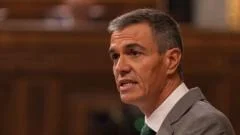
Spain will hold an early general election on 29 November, Prime Minister Pedro Sánchez has announced, after his government suffered defeats in parliament on measures meant to ease the country's housing crisis. The decision turns an already heated national debate over rent and home ownership into a full electoral contest.
Sánchez Gambles on a November Verdict
The prime minister's move follows a series of parliamentary setbacks on housing policy — the issue that has driven some of Spain's largest recent street protests. Rather than continue governing with a weakened legislative hand, Sánchez has chosen to seek a fresh mandate.
Why Housing Became Spain's Defining Political Fault Line
For millions of Spaniards, especially younger renters in Madrid, Barcelona and other major cities, housing has moved from a background concern to a daily emergency. Rising rents and limited affordable supply have pushed the issue to the centre of public anger, and it is now the lens through which many voters judge the government.
How the Crisis Reached This Point
The protests did not emerge overnight. They built over months as frustration with affordability grew, and they intensified when parliament rejected or diluted measures the government had proposed to address the problem. Those defeats left the executive visibly short of the votes needed to deliver on its housing promises.
Who Feels the Consequences Most
The people most directly affected are renters, first-time buyers and low- and middle-income households locked out of the market. For them, the election is not an abstract political event — it is a decision about whether their monthly housing costs remain survivable.
The Government's Position
Sánchez has framed the early election as a chance to let voters decide the direction of housing policy rather than have it blocked in parliament. The opposition, meanwhile, is expected to argue that the government has had its chance and failed to deliver. Both sides will now compete to own the housing issue.
What the Election Really Tests
At its core, this vote is a referendum on competence and priorities. Can the current government convert housing promises into results, or will voters conclude that a change of leadership is the only route to relief? The answer will shape not just Spain's politics but its social stability.
Confirmed Facts vs What Remains Unclear
Confirmed: the election date is 29 November, and it follows parliamentary defeats on housing measures amid protests. Unclear: the precise composition of the next parliament, the specific housing policies each party will campaign on, and whether the election will ease or deepen the crisis in the short term.
Risks and a Balanced View
An early election carries real risks. Campaigning can delay urgent housing action, and a fragmented result could produce another weak government unable to pass meaningful reform. Supporters of the move say it restores democratic accountability; critics warn it may simply postpone solutions while rents keep rising.
A Wider European Pattern
Spain is not alone. Across Europe, housing affordability has become a potent political force, unsettling established parties and fuelling protest movements. Spain's election will be watched closely as a test of how democracies respond when the cost of a home becomes the cost of political stability.
What Readers Should Watch Now
For voters and renters, the key questions are simple: which parties put credible housing plans on the table, and who can actually implement them. Watch the campaign for concrete commitments on rent controls, social housing and supply — not just slogans.
Future Outlook
If the election produces a clear majority, Spain could see faster movement on housing policy. If it produces another hung parliament, the crisis may outlast the campaign that was meant to solve it. Much depends on whether voters treat 29 November as a housing election or a general verdict on the government.
Our Take
Sánchez's decision to call an early election is a recognition that housing has become too politically toxic to manage without a fresh mandate. It is a bold, high-stakes move — and it puts the lived reality of Spanish renters at the heart of the national conversation. Whether that translates into relief depends entirely on what comes after the votes are counted.
Frequently Asked Questions
When is Spain's early general election?
Spain will hold an early general election on 29 November, as announced by Prime Minister Pedro Sánchez.
Why did Sánchez call an early election?
The election follows recent parliamentary defeats on measures aimed at addressing Spain's housing crisis, amid nationwide housing protests.
What is Spain's housing crisis about?
It centres on rising rents and unaffordable home prices, particularly affecting younger and lower-income people in major cities.
What happens next in Spain?
Political parties will enter campaign mode ahead of the 29 November vote, with housing expected to be a central issue.