Thousands of Delhi voters may find their entries flagged in the newly released draft electoral rolls — not for errors, but because an automated system called SIR detected patterns that need a second look. Unusual age gaps between family members and multiple birth entries are among the discrepancies flagged by the system, according to officials. The news raises a simple question for every voter: is my name safe on the list?
What SIR Found in Delhi's Draft Electoral Rolls
The Special Identity Register (SIR) automated system has flagged certain entries in Delhi's draft electoral rolls where data patterns appear unusual. These include significant age gaps between individuals listed as family members and cases of multiple births recorded in the same household.
Officials said the flags are part of a routine data quality exercise. The system identifies entries that warrant closer inspection, not entries that are automatically wrong.
Why Officials Say Flags Don't Mean Errors
Election officials have moved quickly to clarify that a flag from SIR is not a verdict. It is a trigger for human review. A large age gap between a parent and child, for instance, could be entirely legitimate — late marriages, adoption, or second marriages can all explain such patterns.
Similarly, multiple births in one family are common with twins or triplets. The system simply cannot know the context behind the data, so it flags what looks unusual and leaves the final call to verification teams.
How the SIR System Works in Voter Verification
SIR is designed to cross-check entries across electoral rolls and related databases. It looks for patterns that might indicate duplicate entries, incorrect linkages, or data entry mistakes. When it finds something unusual, it creates a flag for manual review.
This is a standard procedure in electoral roll maintenance. The goal is to improve accuracy, not to remove legitimate voters. Each flagged entry is examined by officials who can access supporting documents before deciding whether any correction is needed.
What This Means for Ordinary Voters in Delhi
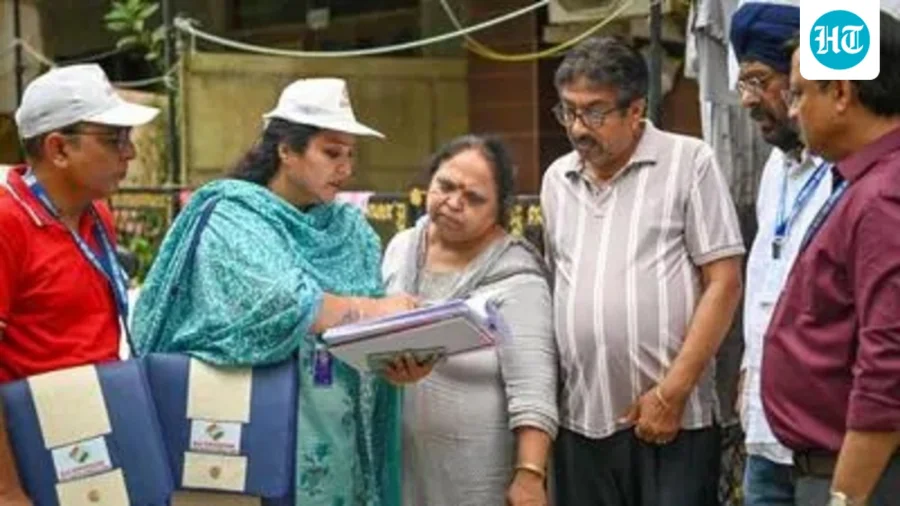
For most voters, the SIR flags will have no impact on their ability to vote. The draft rolls are now open for public inspection, and any voter can check their entry. If someone finds their name missing or details incorrect, they can file a claim or objection during the specified window.
The flagged entries themselves will be resolved through the verification process. Voters whose entries are flagged may be contacted by officials for document verification, but this is a routine step, not an accusation.
Official Response: Reassurance Amid Data Checks
Officials have stressed that the flagged discrepancies do not imply errors in the electoral rolls. They described the SIR exercise as a precautionary measure to strengthen the accuracy of the final published rolls.
The message from election authorities is clear: the system is doing its job, and human verification will ensure no legitimate voter is disadvantaged. Public cooperation during the claims and objections period is encouraged.
Why Automated Flagging Matters for Electoral Integrity
The use of automated systems like SIR reflects a broader shift toward data-driven governance. By flagging anomalies early, election authorities can address potential issues before the final roll is published. This reduces the risk of disputes during elections and strengthens public confidence in the process.
However, automation also brings challenges. Systems can flag legitimate entries as unusual, creating unnecessary anxiety. The balance between rigorous checking and voter convenience is a delicate one, and officials are aware of it.
Confirmed Facts vs What Remains Unclear
What is confirmed: SIR has flagged entries with unusual age gaps and family link patterns in Delhi's draft electoral rolls. Officials have publicly stated these flags do not mean errors exist.
What remains unclear: the exact number of flagged entries, the specific criteria used by SIR to define "unusual," and how many entries will ultimately require correction. Officials have not disclosed these details publicly.
How Delhi's Verification Process Protects Voter Rights
The draft roll publication is a legal requirement that gives every voter a chance to verify their entry. The claims and objections window is the formal mechanism for correcting errors. Voters who find issues can submit forms with supporting documents to their local election office.
This process is designed to be transparent. After all claims are resolved, the final electoral roll is published, and only then is it used for election purposes. The SIR flags are simply one input into this larger, human-led process.
Wider Trend: Data Automation in Election Management
Delhi is not alone in using automated systems for electoral roll maintenance. Election authorities across India have increasingly adopted technology to detect duplicates and anomalies. The Election Commission has pushed for cleaner rolls through systematic updates and technology-driven verification.
This trend is likely to continue, with more sophisticated systems deployed in future election cycles. The challenge will be ensuring these systems are transparent and accountable to the public they serve.
Practical Guidance for Delhi Voters Right Now
Voters should check their names in the draft electoral rolls during the public inspection period. If an entry is missing or incorrect, file a claim or objection with the required documents before the deadline.
If contacted by election officials about a flagged entry, cooperate by providing the requested verification documents. This is a routine step and does not imply any wrongdoing. Keeping voter ID details updated with current address and photo is always advisable.
Future Outlook: Cleaner Rolls, Fewer Disputes
Once the verification process is complete, Delhi's final electoral rolls are expected to be more accurate. The SIR flags will have served their purpose — identifying entries that needed a closer look before the rolls were finalized.
Going forward, voters can expect more such automated checks in every election cycle. The system will likely become smarter, with fewer false flags and faster resolution. For now, the message from officials is simple: the flags are a feature, not a bug.
Our Take
The SIR flagging exercise is a reminder that electoral rolls are living documents, constantly being refined. Automation helps, but it cannot replace human judgment. The real test will be how smoothly officials handle the verification process and how transparent they are with the public.
For voters, the takeaway is straightforward: check your entry, cooperate with verification if asked, and trust the process. Electoral integrity depends on both robust systems and active citizen participation.
Frequently Asked Questions
What is the SIR system in electoral rolls?
SIR, or Special Identity Register, is an automated system used by election authorities to cross-check voter entries and flag patterns that appear unusual, such as age gaps or family link anomalies. Flags trigger manual review but do not automatically mean an entry is wrong.
Will my vote be affected if my entry is flagged by SIR?
No. A flag simply means your entry needs human verification. Officials will review supporting documents before deciding if any correction is needed. Legitimate voters are not removed based on automated flags alone.
How can I check if my name is in Delhi's draft electoral rolls?
You can check the draft rolls at your local election office or through the official Election Commission website during the public inspection period. If your name is missing or details are incorrect, file a claim or objection with supporting documents.
What should I do if election officials contact me about a flagged entry?
Cooperate and provide the requested verification documents, such as proof of age, address, or relationship. This is a routine process to confirm your details. It does not imply any wrongdoing on your part.