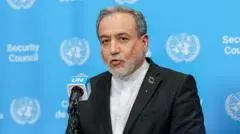
For Saudi Arabia, the escalating confrontation between the United States and Iran presents a high-stakes strategic puzzle. The kingdom, a key US ally and a regional power, must decide whether to keep hitting back as a deterrent against Iranian-backed threats or to step back and try to de-escalate the situation. This choice is not merely tactical—it could determine whether the kingdom is drawn into a devastating war or manages to preserve its security and economic stability.
The Core Dilemma: Deterrence vs. De-escalation
At the heart of Saudi Arabia’s dilemma is a fundamental question: How do you protect yourself from a hostile neighbor without provoking a conflict that could spiral out of control? The kingdom has long relied on a strategy of deterrence—responding forcefully to attacks from Iranian proxies, such as Houthi missile strikes on Saudi oil facilities. But with US-Iran tensions at a boiling point, each retaliatory move risks being interpreted as a step toward war. Conversely, a policy of de-escalation could be seen as weakness, emboldening Iran and its allies to increase pressure on the kingdom.
Why This Matters for the Region and the World
Saudi Arabia is not just any country in this conflict. It is the world’s largest oil exporter, home to Islam’s holiest sites, and a linchpin of US Middle East policy. If the kingdom is drawn into a war, the consequences would be global: oil prices could spike, shipping lanes in the Persian Gulf could be disrupted, and a humanitarian crisis could unfold. For ordinary Saudis, the dilemma is personal—a war would threaten their security, economy, and daily lives. For the international community, Saudi Arabia’s choice could either contain the conflict or ignite a regional firestorm.
How the Situation Developed
The current dilemma did not emerge overnight. It is the product of years of escalating US-Iran tensions, including the US withdrawal from the nuclear deal, the killing of Iranian General Qasem Soleimani, and a series of attacks on Saudi oil infrastructure attributed to Iranian proxies. Saudi Arabia has responded with a mix of military action and diplomatic overtures, but the line between deterrence and provocation has become increasingly blurred. The kingdom’s leadership is now weighing the lessons of past conflicts—such as the costly war in Yemen—against the immediate threat of Iranian aggression.
Who Is Affected and Why It Matters to Real People
The dilemma is not just a matter of statecraft—it has real human consequences. Saudi citizens, expatriate workers, and businesses in the Gulf region face the prospect of disrupted lives, economic uncertainty, and potential violence. For investors, the risk of a conflict could destabilize markets. For families, the fear of war is a daily reality. The kingdom’s decision will also affect millions of pilgrims who travel to Mecca and Medina each year, as well as the broader Muslim world that looks to Saudi Arabia for leadership.
Official Responses and Expert Views
Saudi officials have been careful not to tip their hand publicly. In recent statements, the kingdom has emphasized its commitment to regional stability while also asserting its right to self-defense. Analysts suggest that Saudi Arabia is pursuing a dual-track approach: maintaining a credible military deterrent while quietly engaging in backchannel diplomacy with Iran, mediated by countries like Iraq and Oman. “The Saudis want to avoid being the pawn in a larger game,” said a Gulf security expert. “They are trying to signal strength without triggering a war.”
What the Dilemma Really Means
This is not just a tactical question—it reflects a deeper strategic shift. For decades, Saudi Arabia relied on the US security umbrella to deter Iran. But as US commitment to the region wavers and Iran’s proxy network grows, the kingdom must now chart its own course. The dilemma is a symptom of a changing Middle East, where old alliances are fraying and new risks are emerging. Saudi Arabia’s choice will set a precedent for how other Gulf states navigate the US-Iran rivalry.
Confirmed Facts vs What Remains Unclear
Confirmed: Saudi Arabia has faced repeated attacks from Iranian-backed Houthis and other proxies. The kingdom has responded with airstrikes and diplomatic measures. US-Iran tensions have escalated significantly in recent months. Unclear: Whether Saudi Arabia has a clear internal consensus on the best path forward. The exact nature of any backchannel talks with Iran remains speculative. It is also unclear how the US would respond if Saudi Arabia chooses de-escalation over deterrence.
Risks and Balanced View
The risks of both paths are significant. A deterrence-heavy approach could lead to a cycle of retaliation, drawing Saudi Arabia into a war it cannot win alone. A de-escalation strategy, on the other hand, could be seen as a sign of weakness, encouraging Iran to push harder. Critics argue that Saudi Arabia’s past reliance on US support has left it vulnerable, and that the kingdom must build its own independent deterrent. Supporters of de-escalation point to the success of recent diplomatic efforts, such as the Saudi-Iran normalization talks brokered by China, as a model for reducing tensions.
Wider Trend: The End of US-Led Security in the Gulf
Saudi Arabia’s dilemma is part of a larger pattern: the gradual decline of US dominance in the Middle East and the rise of multipolar competition. As the US pivots to Asia and Russia and China expand their influence, Gulf states are being forced to hedge their bets. Saudi Arabia’s choice between deterrence and de-escalation is a microcosm of this broader shift, where regional powers must navigate a more complex and dangerous landscape.
Practical Guidance for Readers
For those following the situation, the key is to watch for signals from Riyadh: official statements, military movements, and diplomatic engagements. Investors should monitor oil price volatility and Gulf stock markets. Residents in the region should stay informed through reliable news sources and have emergency plans in place. For policymakers, the lesson is clear: Saudi Arabia needs a coherent strategy that combines military readiness with genuine diplomatic outreach.
Future Outlook
The most likely outcome is a continuation of the current balancing act: Saudi Arabia will maintain a strong deterrent while quietly pursuing de-escalation through backchannels. However, a single miscalculation—a major attack on Saudi soil or a US-Iran confrontation—could force the kingdom’s hand. The next few months will be critical, as both Washington and Tehran test the limits of Saudi patience.
Our Take
Saudi Arabia’s dilemma is a reminder that in the Middle East, there are no easy choices. The kingdom must navigate a path between strength and restraint, between its alliance with the US and its own national interests. The stakes could not be higher: a wrong move could lead to a war that devastates the region, while a wise one could help stabilize a volatile part of the world. For now, the world watches and waits.
Frequently Asked Questions
Why is Saudi Arabia trying to stay out of a US-Iran war?
Saudi Arabia wants to avoid the devastating economic and human costs of a direct war, which could disrupt oil exports, trigger regional instability, and endanger its citizens. The kingdom also fears being used as a proxy battleground in a conflict it cannot control.
What is the difference between deterrence and de-escalation for Saudi Arabia?
Deterrence means responding forcefully to attacks to discourage future aggression, often through military strikes or economic pressure. De-escalation involves reducing tensions through diplomacy, backchannel talks, or unilateral restraint to avoid provoking a wider conflict.
How does the US-Iran tension affect Saudi Arabia directly?
US-Iran tensions increase the risk of attacks on Saudi oil infrastructure, shipping lanes, and civilian areas by Iranian proxies like the Houthis. It also pressures Saudi Arabia to choose sides, potentially alienating other regional partners or provoking Iranian retaliation.
Can Saudi Arabia stay neutral in a US-Iran war?
Complete neutrality is difficult given Saudi Arabia’s strategic location, US alliance, and shared borders with Iran-backed groups. However, the kingdom can try to minimize involvement by avoiding provocative actions and pursuing diplomatic channels to de-escalate tensions.