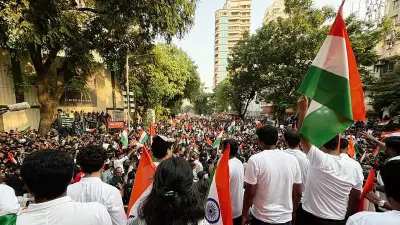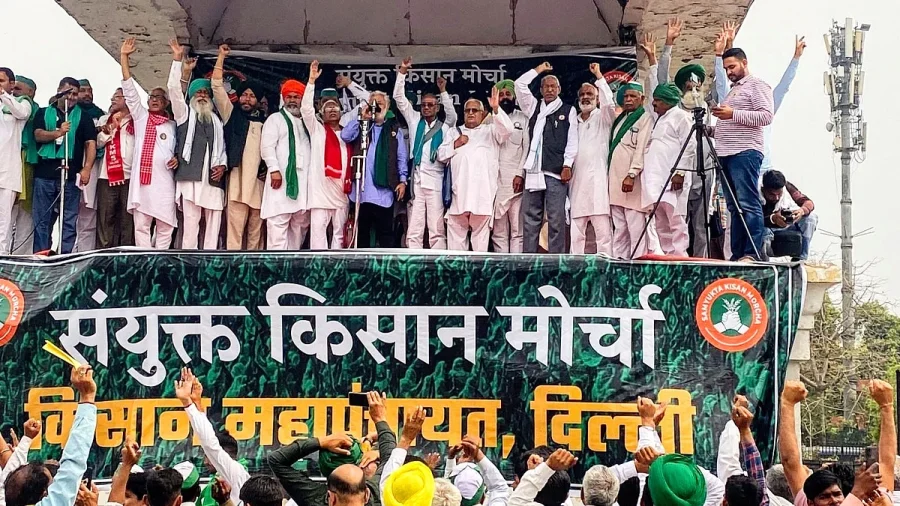
Thousands of farmers across India are set to take to the streets on Wednesday as the Samyukt Kisan Morcha (SKM) launches nationwide protests against the proposed India-US Free Trade Agreement (FTA) and other trade pacts. The move signals deepening anxiety among rural communities over what they see as a secretive push to open Indian markets to foreign competition without adequate safeguards for small producers.
Why farmers are alarmed by the proposed India-US trade deal
The SKM, a coalition of over 40 farmer unions, has warned that the proposed FTAs would allow subsidised agricultural imports from the US and other countries, undercutting Indian farmers who cannot compete with heavily subsidised foreign produce. Small and marginal farmers, who make up the majority of India's agricultural workforce, are particularly vulnerable, the organisation said in its open letter to President Murmu.
The open letter to President Murmu — what it demands
In a strongly worded letter addressed to the President, the SKM urged her to direct Prime Minister Narendra Modi not to sign the proposed India-US FTA. The farmers' body also demanded the repeal of existing FTAs and insisted on a full parliamentary discussion on their impact on the economy, self-reliance, and national sovereignty. The letter frames the issue as a matter of national interest, not just agricultural policy.
Secrecy allegations fuel distrust among farming communities
A central grievance driving the protests is the alleged lack of transparency. The SKM claims the trade agreements are being negotiated behind closed doors, without consultation with farmer organisations or parliamentary oversight. This secrecy, they argue, undermines democratic accountability and leaves millions of livelihoods exposed to decisions made without their input.
Who stands to lose — small farmers and MSMEs in the crosshairs
Beyond agriculture, the SKM has highlighted the threat to the micro, small and medium enterprises (MSME) sector, which employs millions across rural and semi-urban India. The proposed FTAs, the organisation contends, would allow cheap imports that could wipe out local manufacturing and processing units, compounding the economic distress already faced by small businesses.
Government’s position remains unclear amid growing opposition
As of now, the central government has not issued a detailed response to the SKM’s allegations or the planned protests. The Ministry of Commerce and Industry, which leads FTA negotiations, has previously defended trade agreements as essential for boosting exports and attracting investment. However, critics argue that the benefits have largely accrued to large corporations while small producers bear the costs.
What’s at stake — sovereignty, self-reliance, and rural livelihoods
The SKM’s protest is not just about trade policy; it taps into deeper anxieties about India’s economic direction. The demand for a parliamentary debate reflects a belief that FTAs have far-reaching consequences for national sovereignty and the ability to protect domestic industries. For millions of farmers, the issue is existential — their land, income, and future depend on how these agreements are structured.
Confirmed facts vs what remains unclear
What is confirmed: The SKM has announced nationwide protests on Wednesday and sent an open letter to President Murmu. The organisation has specifically opposed the India-US FTA and demanded its repeal. What remains unclear: The exact scale and locations of the protests, the government’s response, and whether any parliamentary discussion will be scheduled. The details of the proposed FTA text have not been made public, making independent verification of the SKM’s claims difficult.
Risks and balanced view — trade liberalisation’s double-edged sword
While the SKM’s concerns are legitimate, trade agreements also offer potential benefits — lower input costs for farmers, access to new markets for Indian exports, and technology transfer. Economists point out that well-negotiated FTAs can boost agricultural productivity and create jobs. However, without adequate safeguards for vulnerable sectors, the risks of displacement and inequality are real. The challenge lies in balancing openness with protection for small producers.
Wider trend — farmers’ movements and trade policy in India
The SKM’s protest is part of a broader pattern of farmer resistance to trade liberalisation in India. The 2020-2021 farmers’ protests against the now-repealed farm laws were the most visible example, but opposition to FTAs has been simmering for years. Similar concerns were raised during negotiations for the Regional Comprehensive Economic Partnership (RCEP), which India ultimately opted out of. The current protests suggest that trade policy remains a flashpoint in Indian politics.
Practical guidance for affected farmers and citizens
For farmers and MSME owners concerned about the impact of FTAs, the SKM advises staying informed through official union channels and participating in local protest activities where safe. Citizens can write to their MPs and the Ministry of Commerce to demand transparency in trade negotiations. Following the parliamentary debate, if it occurs, will be crucial for understanding the government’s stance and potential safeguards.
Future outlook — what could happen next
The immediate focus is on Wednesday’s protests, which could escalate if the government does not respond. The SKM may expand its agitation to include more regions or call for a longer campaign. The government, meanwhile, faces pressure to either defend the FTA publicly or delay negotiations. A parliamentary discussion, if granted, could provide a platform for broader debate. The outcome will depend on how the government balances trade ambitions with domestic political realities.
Our Take
The SKM’s protest is a reminder that trade policy is not just about economics — it is about people’s lives. The secrecy surrounding FTA negotiations is a legitimate concern that undermines trust in democratic processes. While trade agreements can bring benefits, they must be negotiated transparently and with adequate protections for vulnerable sectors. The government would do well to engage with farmer organisations rather than dismiss their concerns. This story matters because it touches on the fundamental question of who benefits from globalisation — and who bears its costs.
Frequently Asked Questions
What is the Samyukt Kisan Morcha protesting against?
The SKM is protesting against the proposed India-US Free Trade Agreement (FTA) and other trade pacts, which they claim will harm small farmers and MSMEs by allowing subsidised imports.
When are the nationwide protests happening?
The protests are scheduled for Wednesday, as announced by the SKM in an open letter to President Droupadi Murmu.
What does the SKM want from the government?
The SKM wants President Murmu to direct PM Modi not to sign the proposed India-US FTA, repeal existing FTAs, and ensure a parliamentary discussion on their impact on the economy and national sovereignty.
Why are farmers concerned about the India-US FTA?
Farmers fear that subsidised agricultural imports from the US will undercut Indian produce, threatening the livelihoods of small and marginal farmers who cannot compete with cheaper foreign goods.