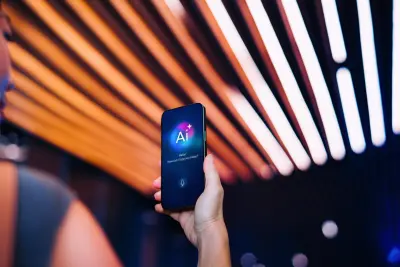
The smartphone, for all its power, is no longer the destination. It is the doorway.
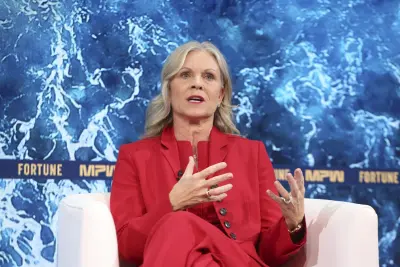
That is the central message from Yoonie Joung, president and CEO of Samsung Electronics North America, who told Fortune that the company sees its devices as just the starting point for something far bigger: ambient artificial intelligence that lives in the home.
Speaking ahead of Samsung’s Galaxy Unpacked event in London, Joung laid out a vision where the smartphone becomes a gateway to an AI-powered ecosystem that surrounds users in their daily lives. The strategy is Samsung’s answer to a saturated global smartphone market—and to the looming threat of Apple’s rumored foldable iPhone, expected this fall.
Why Samsung is redefining the smartphone’s role
For years, smartphone makers have competed on specs: camera megapixels, screen size, battery life. But with the market now mature, Samsung is shifting the conversation.
Joung told Fortune that embedding AI and creating new form factors are the keys to standing out. The smartphone, in this view, is not the product—it is the entry point. The real product is an ambient AI layer that connects devices across the home, learning from user behavior and anticipating needs.
This is not just a marketing pitch. It reflects a deeper industry trend: the battle for the smart home is moving from individual gadgets to intelligent ecosystems.
What ambient AI in the home actually means
Ambient AI refers to artificial intelligence that is always present, always learning, but rarely visible. Instead of tapping a screen or issuing a command, users interact with technology that responds to context—time of day, location, past behavior, even mood.
For Samsung, this means a refrigerator that knows when milk is low, a washing machine that adjusts cycles based on fabric type, and a TV that suggests content based on who is in the room. The smartphone acts as the remote control, the hub, and the personal assistant rolled into one.
Joung’s comments suggest Samsung is betting that consumers will pay a premium not for better hardware alone, but for a seamless, intelligent home experience.
The competitive pressure from Apple’s foldable iPhone
The timing of Joung’s remarks is telling. Apple is widely expected to launch a foldable iPhone this fall, directly challenging Samsung’s dominance in the premium foldable segment.
Samsung has been the pioneer in foldable phones, but Apple’s entry could reshape the market. By shifting the narrative from hardware to ambient AI, Samsung is trying to compete on a different axis—one where ecosystem depth matters more than device novelty.
Joung’s message to consumers: Samsung is not just making phones. It is building the intelligent home of the future.
What Samsung’s eighth-generation devices may bring
While Joung did not reveal specific product details, Samsung’s eighth-generation devices are rumored to include three models, likely with enhanced AI capabilities and new form factors. The Galaxy Unpacked event in London is expected to showcase how AI is woven into the user experience, from photography to productivity to home automation.
The company’s strategy mirrors a broader shift in the tech industry: from selling devices to selling ecosystems. Amazon, Google, and Apple have all pursued similar visions, but Samsung’s advantage lies in its hardware breadth—from phones to TVs to appliances.
Who benefits from Samsung’s ambient AI vision
For consumers, the promise is convenience. A home that learns your routines, adjusts lighting and temperature automatically, and anticipates what you need before you ask. For Samsung, the payoff is deeper customer loyalty and higher revenue per user, as people buy more devices within the ecosystem.
But the vision also raises questions. Ambient AI requires constant data collection—about where you are, what you do, what you buy. Privacy and security will be critical to user trust.
What remains unclear about Samsung’s AI home strategy
Joung’s interview provided a broad vision but few specifics. It is not yet clear how Samsung plans to differentiate its ambient AI from competitors like Google Nest or Amazon Alexa. The company has not detailed how it will handle data privacy, interoperability with non-Samsung devices, or pricing for AI-powered services.
What is clear: Samsung sees the smartphone as a stepping stone, not a finish line. The real race is for the intelligent home.
Risks and challenges ahead
Ambient AI is expensive to develop and difficult to execute. Samsung faces competition from Apple’s tightly integrated ecosystem, Google’s AI prowess, and Amazon’s smart home dominance. There is also the risk that consumers may not embrace always-on AI in their homes due to privacy concerns.
Additionally, Samsung’s hardware-first identity may make it harder to convince users that the company is a software and AI leader. The success of this strategy depends on execution, not just vision.
The bigger picture: AI is reshaping the consumer electronics industry
Joung’s comments reflect a broader truth: the smartphone era is maturing, and the next growth frontier is ambient intelligence. Companies that can seamlessly integrate AI into daily life—across devices, rooms, and routines—will define the next decade of consumer technology.
Samsung is positioning itself as a leader in that transition. Whether it can deliver on the promise remains to be seen.
What consumers should watch for
If you are in the market for a new smartphone, consider not just the device but the ecosystem it connects to. Samsung’s vision suggests that the value of a phone will increasingly depend on how well it works with other devices in your home.
For investors, the key metric to watch is not just phone sales but ecosystem engagement—how many Samsung devices a household owns and how often they interact.
What happens next
The Galaxy Unpacked event in London will provide more concrete details about Samsung’s eighth-generation devices and AI features. Apple’s foldable iPhone launch later this year will test whether Samsung’s ambient AI strategy can hold off the competition.
The next few months will reveal whether consumers are ready to embrace a home that thinks for itself—or whether the smartphone remains the center of their digital lives.
Our Take
Yoonie Joung’s interview is more than a product tease. It is a strategic declaration that Samsung is pivoting from hardware competition to ecosystem competition. The smartphone is no longer the hero product—it is the key to a larger kingdom.
This is a smart move in a saturated market, but it carries risks. Ambient AI requires trust, and trust requires transparency. Samsung must prove it can protect user data while delivering genuine convenience. If it succeeds, it could redefine what a smartphone company can be. If it fails, the smartphone will remain just a phone.
Frequently Asked Questions
What did Samsung’s North America CEO say about smartphones and AI?
Yoonie Joung told Fortune that the smartphone is just an entry point to ambient AI in the home. Samsung’s real goal is to create an intelligent ecosystem that surrounds users in their daily lives.
What is ambient AI in the home?
Ambient AI refers to artificial intelligence that is always present and responsive to context—time, location, user behavior—without requiring direct commands. It powers smart home devices that anticipate needs automatically.
How does Samsung plan to compete with Apple’s foldable iPhone?
Samsung is shifting the narrative from hardware specs to ecosystem depth. By emphasizing ambient AI and seamless device integration, Samsung hopes to differentiate itself beyond just foldable form factors.
When will Samsung reveal more about its AI home strategy?
More details are expected at Samsung’s Galaxy Unpacked event in London, where the company is expected to showcase its eighth-generation devices and AI features.