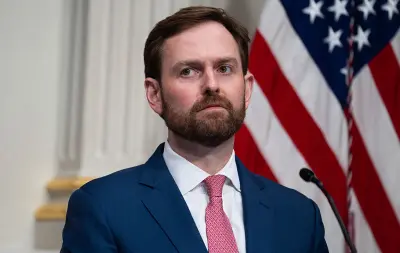
Sam Altman wants parents to know he sees them — and he believes ChatGPT can help. The OpenAI CEO has once again stepped into the role of AI evangelist for families, floating what he described as a "cool use case" for mothers and fathers navigating the chaos of raising kids.
Why the OpenAI CEO keeps bringing up parenting
This is not the first time Altman has nudged parents toward ChatGPT. His repeated mentions are a deliberate signal. For OpenAI, the consumer market is the next battleground, and positioning ChatGPT as a household ally — not just a coding assistant — is central to that push.
By framing parenting as a legitimate use case, Altman is speaking directly to millions of caregivers who might otherwise see AI as a tech-world curiosity. The message is simple: this tool is for you, too.
What "cool use case" means for real families
Altman did not detail specific features in his latest remarks, but the broader context is telling. Parents already use ChatGPT for everything from explaining complex homework to drafting bedtime stories and mediating sibling disputes.
The emotional appeal is clear. Parenting is exhausting, and any tool that promises a little more patience or a quicker answer can feel like a lifeline. That is the human chord Altman is striking.
How Altman's parenting pitch fits OpenAI's bigger plan
OpenAI has spent the past year expanding ChatGPT's reach — from voice modes to image generation to deeper integration in daily workflows. The parenting angle is part of a wider effort to normalize AI presence in intimate, everyday spaces.
Competitors like Google and Meta are chasing the same territory. By having its CEO personally champion family use, OpenAI is trying to own the emotional narrative around AI adoption.
What parents should actually consider before relying on AI
For all the enthusiasm, experts urge balance. ChatGPT can generate creative ideas and quick explanations, but it is not a substitute for human judgment, especially around sensitive child-rearing decisions.
Parents should treat AI as a brainstorming partner, not an authority. Fact-checking remains essential, and conversations about screen time and data privacy are as relevant as ever.
Confirmed Facts vs What Remains Unclear
Confirmed: Sam Altman publicly expressed excitement about ChatGPT as a parenting tool and called it a "cool use case."
Unclear: Whether OpenAI plans any dedicated parenting features, and what specific examples Altman had in mind during his remarks.
Why OpenAI's consumer bet depends on moments like this
Altman's personal advocacy matters because adoption is emotional before it is technical. When a CEO talks about parenting, it humanizes a product that can feel abstract and intimidating.
For OpenAI, winning the family market means winning long-term loyalty. Parents who rely on ChatGPT today are likely to shape their children's AI habits tomorrow.
Risks and Balanced View
Not everyone is convinced. Child development specialists caution against over-reliance on AI for parenting tasks, warning that it could erode problem-solving confidence or expose families to inappropriate content.
Privacy advocates also flag concerns about what data families share with AI platforms. The benefits of convenience must be weighed against these legitimate worries.
The wider trend: AI is moving from desks to dinner tables
Altman's pitch reflects a broader industry shift. AI companies are no longer satisfied with workplace adoption; they want to be present in living rooms, kitchens, and school runs.
This is the next phase of the AI revolution — not faster code, but softer, more personal integration into daily life.
What parents can do right now
If you are curious about using ChatGPT for parenting, start small. Use it for story ideas, homework help, or planning family activities. Set boundaries around when and how you use it.
Most importantly, keep your own judgment at the center. AI can be a helpful assistant, but it should never replace the instincts that make you a parent.
What could come next from OpenAI
Given Altman's enthusiasm, OpenAI may eventually build features tailored to families — perhaps more robust content filters or parenting-specific prompts. Nothing has been announced, but the CEO's public positioning suggests the direction.
For now, the message is about possibility. Whether that translates into products remains to be seen.
Our Take
Sam Altman is doing what great CEOs do — telling a story that makes his product feel essential. Parenting via ChatGPT is a compelling narrative because it is relatable and emotionally resonant.
But the real test will be whether OpenAI can deliver tools that genuinely support parents without adding new burdens. The idea is warm; the execution will need to be thoughtful.
Frequently Asked Questions
Is Sam Altman actually recommending ChatGPT for parenting?
Yes. The OpenAI CEO has publicly described ChatGPT as a "cool use case" for parents, expressing genuine enthusiasm about families using the AI tool for everyday parenting challenges.
What can parents use ChatGPT for?
Parents commonly use ChatGPT for homework explanations, creative story ideas, meal planning, and even drafting responses to tricky questions from children. It works best as a brainstorming and idea-generation tool.
Is it safe to use ChatGPT for parenting advice?
ChatGPT can be helpful, but it should not replace professional advice for medical, psychological, or legal matters. Parents should verify important information and use their own judgment for sensitive decisions.
Will OpenAI build special features for parents?
There has been no official announcement of parenting-specific features. However, Altman's repeated emphasis on this use case suggests OpenAI is paying attention to family-oriented applications.