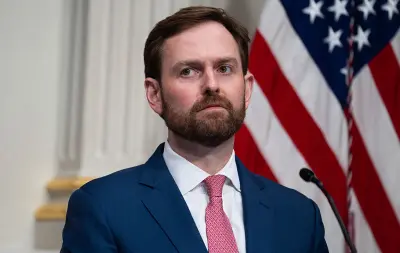
The man who helped launch the generative AI revolution is now asking the industry to pump the brakes. Sam Altman, CEO of OpenAI, has called on the AI sector to "pace the rate of AI development" — a statement that has landed squarely in the middle of one of tech's most heated arguments: the decel debate.
Why Altman's Call to Pace AI Development Matters
Altman's comment is significant because of who is saying it. OpenAI has been the driving force behind the current AI boom, releasing ChatGPT and setting the pace for competitors worldwide. When the leader of that charge suggests slowing down, it raises a fundamental question: is AI moving too fast for its own good?
The decel movement — short for deceleration — argues that AI development is outpacing society's ability to understand, regulate, and safely integrate the technology. Altman's remarks give that argument a powerful new voice.
The Decel Debate: Accelerationists vs. Cautionaries
The AI community is split into two broad camps. Accelerationists believe AI should be developed as quickly as possible, arguing that the benefits — from medical breakthroughs to productivity gains — outweigh the risks. The decel camp counters that unchecked speed could lead to job displacement, misinformation, or worse.
Altman's latest comments suggest he is at least sympathetic to the decel position, even if he has not fully embraced it. The nuance matters: pacing development is not the same as stopping it.
What We Know About Altman's Statement So Far
Details of Altman's exact remarks remain limited. The discussion was featured on the latest episode of Equity, a podcast covering tech and startup news, where the topic of Altman's call to pace AI development was examined. The full transcript or video of Altman's original comments has not been widely circulated, leaving some ambiguity about the precise context.
What is clear is that the comment has entered the broader conversation about AI safety and speed.
Who Is Affected by the AI Development Pace Debate
This debate is not abstract. Developers building on AI platforms face uncertainty about future regulations. Workers in industries vulnerable to automation watch closely. Regulators look for signals from industry leaders to justify policy decisions. And everyday users of AI tools are caught in the middle — benefiting from rapid innovation while worrying about its consequences.
Altman's position matters because it influences all of these groups. When a top executive signals caution, it can shift market expectations and regulatory momentum.
How OpenAI's Leadership Has Approached AI Safety
Altman has previously spoken about AI safety, but often in the context of building safeguards alongside development rather than slowing it down. His recent call to pace development represents a tonal shift that observers are still parsing.
OpenAI itself has faced internal debates about safety versus speed, including high-profile departures of safety-focused employees. Altman's public stance may reflect lessons learned from those internal tensions.
What the Decel Debate Really Means for the Industry
The decel debate is ultimately about control. Who decides how fast AI evolves — the companies building it, the governments regulating it, or the market demanding it? Altman's comment suggests that even those with the most to gain from speed are questioning whether the current trajectory is sustainable.
For the industry, this could mean more voluntary pauses, more safety frameworks, and more public discussion about limits. For the public, it means the conversation about AI's future is no longer just about what AI can do, but about how fast it should be allowed to go.
Confirmed Facts vs. What Remains Unclear
Confirmed: Altman has called on the industry to pace the rate of AI development. The comment was discussed on the latest episode of Equity.
Unclear: The full context of Altman's remarks, whether he is proposing specific measures, and how this stance will affect OpenAI's product roadmap. These details have not been publicly confirmed.
Risks and Balanced View of the Decel Argument
Supporters of deceleration argue that slowing down prevents catastrophic outcomes and gives society time to adapt. Critics counter that slowing AI development could cede advantage to less careful actors, including foreign competitors, and delay life-saving innovations.
There is also a practical concern: if American companies slow down voluntarily, they may lose ground to international players who face fewer constraints. The decel debate is not just philosophical — it has geopolitical and economic stakes.
The Wider Pattern: Tech Leaders Questioning Their Own Creations
Altman is not the first tech leader to express caution about the industry he helped build. From social media executives regretting algorithmic amplification to early internet pioneers warning about privacy erosion, there is a recurring pattern of creators questioning their creations once the scale of impact becomes clear.
Altman's decel comment fits this pattern, but with a twist: AI is evolving faster than any previous technology, and the window for intervention is shorter.
What Should Developers and AI Users Do Now
For developers building on AI platforms, the takeaway is to stay informed about safety discussions and regulatory signals. For businesses using AI tools, this is a reminder to build flexibility into AI-dependent workflows. For the general public, the message is to engage with the debate rather than leave it to executives and policymakers.
The decel conversation is not just about technology — it is about the kind of future society wants to build.
What Could Happen Next in the Decel Debate
If Altman's comments translate into action, OpenAI could introduce more structured safety checkpoints or publicly support regulatory frameworks. If they remain rhetorical, the debate continues without concrete change.
Either way, the fact that a leading AI executive is publicly discussing pacing is itself a signal. The industry may be entering a phase where speed is no longer the only metric of success.
Our Take
Altman's call to pace AI development is notable not because it is radical, but because it is pragmatic. The decel debate has long been framed as a battle between idealists and realists. Altman's comment suggests the two sides may be converging — not because accelerationists have changed their minds, but because the stakes have become too visible to ignore.
The real test will be whether this rhetoric leads to structural change. Words are easy; slowing a rocket mid-launch is not. For now, the decel debate has gained a powerful voice, and the industry is watching to see if it carries weight.
Frequently Asked Questions
What is the decel debate in AI?
The decel debate refers to the argument over whether AI development should be slowed down to allow society, regulators, and safety frameworks to catch up. "Decel" is short for deceleration, and it stands in opposition to accelerationism, which argues for rapid AI advancement.
Why is Sam Altman calling for AI development to be paced?
Sam Altman has called on the industry to pace the rate of AI development, suggesting that even leading AI builders recognize the risks of unchecked speed. The exact reasoning behind his statement has not been fully detailed, but it aligns with growing concerns about AI safety and societal impact.
Does Sam Altman want AI development to stop?
No. Altman's call to "pace" development suggests a slowdown or more careful approach, not a halt. Pacing implies continued progress with more deliberate consideration of risks, rather than a full stop.
How does the decel debate affect regular AI users?
If the decel movement gains traction, users could see more safety features, slower feature rollouts, and more regulatory oversight of AI tools. It could also mean more public discussion about how AI is deployed in daily life, from chatbots to automated decision-making.