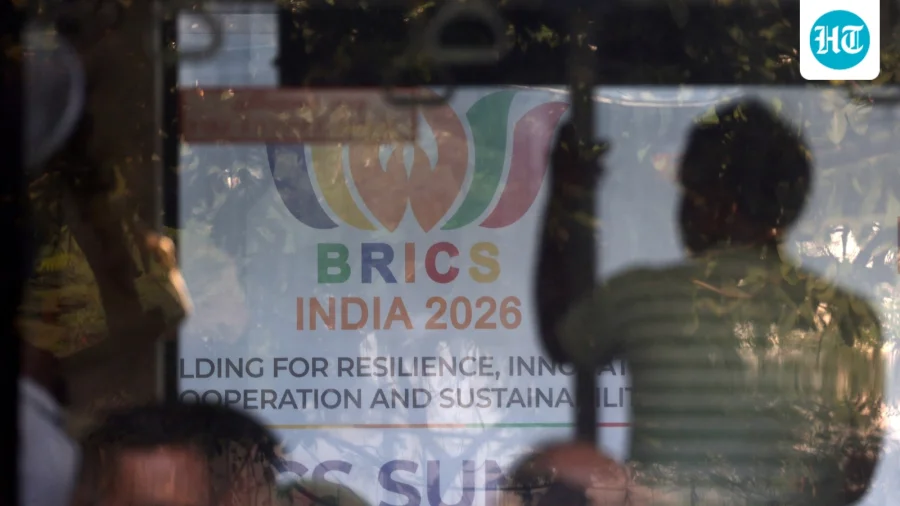
The prospect of finding a last-minute luxury room in New Delhi is turning into a daunting challenge. With the BRICS Summit set to bring heads of state, diplomats, and global media to the capital, premium hotel tariffs are reportedly breaching the ₹2 lakh-per-night mark — a figure that underscores the scale of the diplomatic gathering.
Why Delhi's premium hotel inventory is vanishing fast
According to initial reports, the room crunch is not limited to a single property. Multiple five-star hotels in central and diplomatic enclaves are said to be operating at near-full capacity. The surge is attributed to block bookings made by government agencies, foreign delegations, and security teams tasked with managing the summit.
For the average traveller, this translates into fewer available rooms and significantly higher rates. Even properties that typically command ₹30,000–₹50,000 per night are reportedly quoting multiples of their standard tariffs, with suites and executive floors crossing the ₹2 lakh threshold.
What the tariff surge means for business and leisure travellers
The immediate impact falls on corporate travellers and tourists who had not planned their itineraries around the summit. With inventory locked in by official contingents, walk-in bookings and short-stay reservations are becoming increasingly difficult to secure.
Industry watchers point out that such price movements are not unusual during major international events. However, the magnitude of the reported increase — touching ₹2 lakh per night — places this summit in a different league compared to routine peak-season demand.
How the room shortage scenario developed
The BRICS Summit, which brings together major emerging economies, requires extensive logistical arrangements. Beyond the core delegations, each participating nation typically sends advance teams, security personnel, interpreters, and media correspondents. These groups require accommodation for several days before and after the main event.
Reports suggest that this layered demand — spanning multiple days and categories of rooms — has created a cascading effect on availability. As official bookings consumed premium inventory, remaining rooms were repriced upward, reflecting the supply-demand imbalance.
Who is most affected by the Delhi hotel room crunch
Individual business travellers attending unrelated meetings in the capital are among the most affected. They now face a choice between paying premium rates or shifting to properties in peripheral business districts such as Gurugram or Noida.
International tourists, particularly those unaware of the summit schedule, may also find their preferred hotels fully booked. For families travelling on fixed dates, the situation could force itinerary changes or significant budget adjustments.
What hotels and authorities have said so far
As of now, no official statement has been released by hotel associations, individual luxury properties, or government authorities regarding the reported tariff surge. The information available is based on preliminary reports and market observations.
Hotel booking platforms and travel desks are advising clients to confirm availability directly with properties rather than relying on online inventory, which may not reflect real-time block bookings.
Reading between the lines of the tariff spike
The reported ₹2 lakh-per-night pricing is not merely a reflection of demand. It also signals how premium hospitality assets position themselves during high-profile global events. For hotels, such summits offer a rare opportunity to maximise revenue per available room — a key metric in the hospitality industry.
From a traveller's perspective, however, the development highlights the importance of event-awareness when planning trips to Delhi. Major summits, elections, and international conferences can dramatically alter the accommodation landscape within a short window.
Confirmed reports versus what remains unclear
What is clear from available reports is that luxury hotels in Delhi are experiencing a room shortage and that some per-night tariffs have crossed the ₹2 lakh mark. This is consistent with the expected influx of summit-related personnel.
What remains unclear is the exact number of hotels affected, the duration of the spike, and whether rates will normalise immediately after the summit concludes. Specific property names and the precise scale of the shortage have not been officially confirmed.
Why Delhi's luxury hospitality market commands such pricing power
Delhi's top-tier hotels operate in a unique ecosystem. They combine prime real estate in diplomatic zones with infrastructure designed for high-security events. During summits like BRICS, these properties offer more than rooms — they provide secure, self-contained environments suitable for bilateral meetings and delegation coordination.
This capability, built over decades, gives premium properties significant leverage during high-demand windows. For global delegations, the cost is secondary to security, proximity, and reliability.
Risks and concerns surrounding the reported price surge
While premium pricing during global events is expected, the reported magnitude raises questions about affordability and accessibility. Critics may argue that such spikes create an impression of exclusivity that could deter future business travel to the capital.
On the other hand, hoteliers would counter that tariffs are market-driven and that official delegations typically negotiate rates well in advance. The high prices reported likely apply to last-minute or non-contracted bookings rather than the bulk of summit-related inventory.
How this fits into the broader pattern of event-driven pricing
This is not an isolated phenomenon. Major global events — from G20 summits to international sporting tournaments — have historically triggered accommodation price surges in host cities. Delhi witnessed similar patterns during the G20 Summit in 2023, when premium hotel rates saw significant upward movement.
The BRICS Summit follows this established trend, though the reported ₹2 lakh figure places it at the higher end of the spectrum. The pattern underscores a recurring reality for host cities: global visibility comes with local cost implications.
Practical guidance for travellers booking during the summit window
Travellers with flexible dates should consider shifting their stay to before or after the summit period. Those with fixed schedules should book immediately through direct hotel channels, as online platforms may not reflect real-time availability.
Alternative accommodation in business districts like Gurugram and Noida, or even well-connected areas such as Aerocity, may offer more reasonable rates. Travellers should also factor in increased security checks and potential road closures near summit venues when choosing their stay.
What happens after the summit concludes
Historically, hotel rates in host cities normalise rapidly once delegations depart. The same is expected in Delhi, with tariffs likely returning to standard levels within days of the summit's conclusion.
However, travellers with bookings during the immediate post-summit period should confirm their reservations, as some properties may experience extended checkout delays due to staggered delegation departures.
Our Take
The reported ₹2 lakh-per-night tariff at Delhi luxury hotels is a textbook case of supply-demand dynamics colliding with geopolitical significance. While the figure grabs headlines, it also reflects the immense logistical complexity of hosting a summit of this scale.
For the average traveller, the lesson is straightforward: awareness of major events is now an essential part of trip planning. For the hospitality industry, the summit represents both a revenue opportunity and a test of its ability to balance commercial interests with the city's broader reputation as a welcoming destination.
Frequently Asked Questions
Why are Delhi luxury hotel prices so high during the BRICS Summit?
Luxury hotels in Delhi are reportedly witnessing a room shortage ahead of the BRICS Summit due to high demand from international delegations, security contingents, and media teams. With limited inventory available, some per-night tariffs have reportedly crossed the ₹2 lakh mark.
Are all Delhi hotels charging ₹2 lakh per night during the summit?
No. The reported ₹2 lakh-plus tariffs apply to premium luxury properties, particularly suites and executive rooms. Mid-range and business hotels are likely to see moderate increases, while budget accommodation may remain relatively unaffected.
How can travellers find affordable accommodation in Delhi during the BRICS Summit?
Travellers should book directly with hotels, consider properties in Aerocity, Gurugram, or Noida, and avoid last-minute bookings. Flexible travel dates can also help secure better rates outside the summit window.
Will Delhi hotel prices drop after the BRICS Summit ends?
Yes, hotel tariffs in host cities typically normalise within days of a major event's conclusion. Once delegations depart and inventory opens up, standard pricing is expected to return.