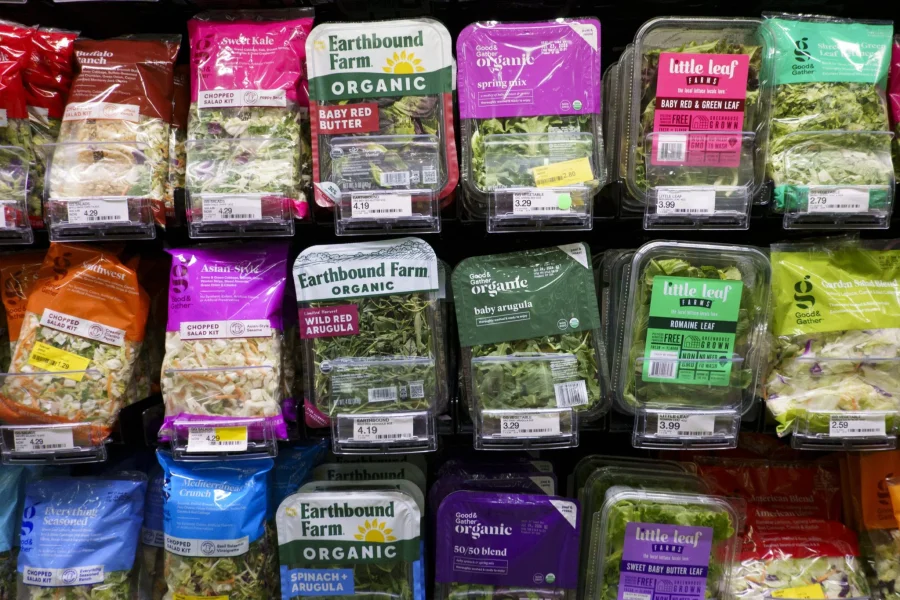
The lettuce on your plate may have traveled thousands of miles — and according to new data, fewer eyes are checking it before it arrives. A nationwide cyclospora outbreak has now exposed a uncomfortable truth about America's food safety net: the FDA is conducting nearly 35% fewer inspections of foreign food facilities than it did before the pandemic.
What the Inspection Data Actually Shows
Agency records reviewed by The Associated Press reveal that FDA inspections of foreign food sites — including the Mexican farm linked to the current outbreak — have fallen sharply since 2019. That year serves as the baseline, the last full year before COVID-19 disrupted everything.
The numbers paint a stark picture of regulatory decline at a time when Americans import more fresh produce than ever before.
Why Imported Food Safety Matters More Than Ever
Roughly one-third of the fresh vegetables Americans consume come from other countries, with Mexico being a primary source for leafy greens. When inspection rates drop, the risk of contaminated produce reaching supermarket shelves rises.
Cyclospora, a microscopic parasite that causes severe gastrointestinal illness, is rarely found in domestically grown produce — but it has become a recurring problem in imported cilantro and lettuce. The current outbreak is just the latest example of what happens when oversight gaps align with high-volume imports.
The Pandemic's Lasting Toll on FDA Staffing
The COVID-19 pandemic did more than temporarily halt international travel — it triggered a wave of retirements and departures among FDA inspectors that continues to this day. According to the AP's review, the agency has struggled to replenish its workforce even as global food supply chains have rebounded.
This isn't just a staffing issue; it's a structural problem that leaves the agency perpetually behind on its congressionally mandated inspection targets.
Who Is Affected by the Cyclospora Outbreak
Consumers across multiple states have reported cyclospora infections, with symptoms including watery diarrhea, cramping, and fatigue that can persist for weeks. The outbreak has been traced to contaminated lettuce, though investigations remain ongoing.
For vulnerable populations — older adults, young children, and those with compromised immune systems — the illness can be particularly severe, sometimes requiring hospitalization.
What the FDA Itself Admits
Perhaps most telling is the agency's own acknowledgment of its limitations. According to the AP report, the FDA has conceded that it "just can't achieve what is required" when it comes to meeting inspection mandates. This rare admission of shortfall raises fundamental questions about the current food safety framework.
The statement reflects a reality that food safety advocates have warned about for years: the gap between what Congress mandates and what the agency can actually deliver.
Why the Inspection Gap Persists
Rebuilding an inspector workforce isn't as simple as posting job openings. Foreign food inspections require specialized training, language skills, and a willingness to travel extensively. The pandemic accelerated retirements among the most experienced inspectors, taking decades of institutional knowledge with them.
Meanwhile, the volume of imported food continues to grow, creating a widening gap between regulatory capacity and actual need.
Confirmed Facts vs What Remains Unclear
Confirmed: FDA foreign inspections are down nearly 35% since 2019. The cyclospora outbreak is linked to contaminated lettuce from a Mexican farm. The FDA has acknowledged it cannot meet current inspection requirements.
Unclear: The full scope of the outbreak, whether the specific farm had prior inspection violations, and how long it will take the agency to rebuild its inspection capacity. The AP report indicates the investigation is ongoing.
Risks and the Balanced View
Critics argue the FDA has been underfunded and overstretched for years, with food safety taking a backseat to drug and device regulation. Some consumer advocates believe the agency needs a fundamental restructuring of its import oversight approach.
However, the FDA has implemented alternative oversight tools, including third-party certification programs and increased reliance on port-of-entry screening. Supporters of the current system argue these measures partially offset the decline in physical inspections — though the ongoing outbreak suggests otherwise.
A Pattern of Recurring Produce Outbreaks
This isn't an isolated incident. Cyclospora outbreaks linked to imported produce have occurred repeatedly over the past decade, with cilantro from Mexico and lettuce from various sources causing recurring illness clusters. Each outbreak follows a similar pattern: contamination discovered only after consumers fall ill.
The consistency of these outbreaks suggests a systemic issue rather than random bad luck.
What Consumers Should Know Right Now
If you're concerned about cyclospora, wash all produce thoroughly under running water and consider cooking leafy greens if you're in a high-risk group. The CDC recommends that anyone experiencing prolonged diarrhea after eating imported lettuce seek medical attention and request testing for cyclospora specifically.
While the current outbreak is active, staying informed about recall announcements and affected brands is your first line of defense.
What Happens Next for Food Safety Oversight
The FDA faces difficult choices: increase inspection frequency with a depleted workforce, shift to technology-based monitoring, or push Congress for expanded authority and funding. Each path carries trade-offs that will shape American food safety for years to come.
For now, the agency's own admission that it cannot meet its mandates suggests that meaningful change will require both political will and sustained investment.
Our Take
This story isn't just about one outbreak — it's about the quiet erosion of a safety net that Americans assume is protecting them. The FDA's declining inspection capacity represents a systemic failure that will continue producing preventable illness until it's addressed at the policy level. The cyclospora outbreak is merely the visible symptom of a deeper regulatory disease.
Frequently Asked Questions
What is cyclospora and how does it spread?
Cyclospora is a microscopic parasite that causes intestinal illness when people consume contaminated food or water. It spreads through feces-contaminated produce, typically imported leafy greens and herbs, and cannot be killed by standard washing alone.
Why did FDA foreign inspections drop by 35%?
The decline stems primarily from pandemic-related retirements and departures among FDA inspectors that began in 2020 and continues today. The agency has struggled to recruit and train replacements with the specialized skills needed for international food inspections.
Is imported lettuce safe to eat right now?
While the current outbreak is linked to specific contaminated lettuce, most imported produce remains safe. Consumers should wash all produce thoroughly, stay informed about recalls, and seek medical attention if they experience prolonged diarrhea after eating leafy greens.
What can the FDA do to fix the inspection gap?
The agency could increase inspector hiring incentives, expand third-party certification programs, leverage technology for remote monitoring, and request additional congressional funding. However, meaningful improvement will likely require legislative action to address the root causes of the staffing shortage.