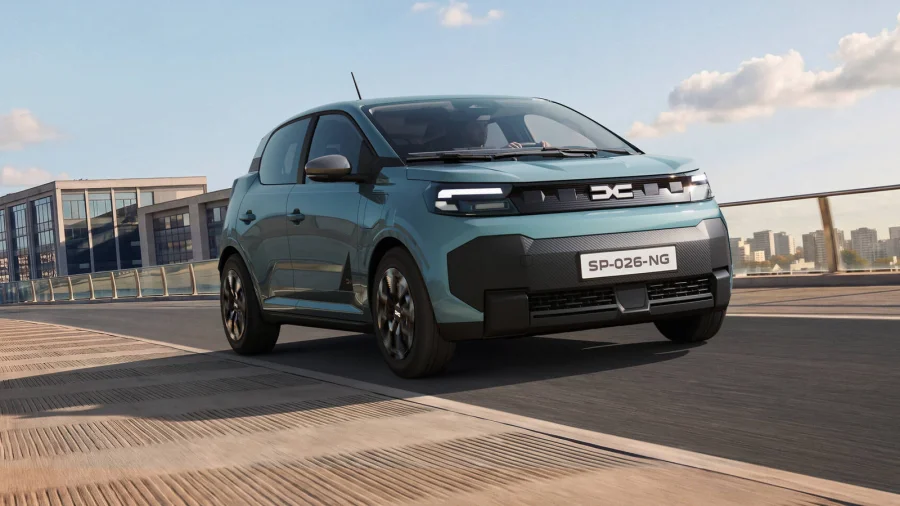
The Dacia Spring, already one of Europe’s most affordable electric cars, is getting a new home. Renault is shifting production of the €17,900 EV to Europe, a decision driven by one clear goal: qualifying for local subsidies that could make the car even cheaper for buyers.
Why Renault is moving Spring production to Europe
The core of this strategy is simple. Many European governments tie EV incentives to where a vehicle is manufactured. By building the Spring within Europe, Renault ensures the car meets these local content rules, unlocking subsidies that were previously out of reach. This is a direct response to a market where price remains the biggest barrier to EV adoption.
What the redesign means for the budget EV
Alongside the production shift, Dacia has redesigned the Spring to add some sporty allure. The updated look is intended to broaden its appeal beyond just being the cheapest option. For a car in this segment, aesthetics can be a deciding factor, and the fresh design signals that affordability doesn’t have to mean bland.
How this affects the affordable car market
The Spring occupies a unique space in Europe’s auto industry. It is often the entry point for buyers considering their first electric vehicle. With production localized, the car could see a boost in sales in markets where subsidies are generous, putting pressure on competitors who have not made similar manufacturing commitments.
Who benefits most from this change
Everyday car buyers stand to gain the most. If the Spring qualifies for subsidies, the effective purchase price drops, making electric mobility accessible to a wider audience. This is particularly relevant for urban drivers and families looking for a secondary vehicle that is cheap to run and maintain.
What Renault has said about the move
Renault has not released extensive public commentary on the production shift. The announcement focuses on the strategic rationale: aligning manufacturing with market conditions. The lack of detailed statements suggests the company is letting the product and its pricing speak for themselves, at least for now.
Analyzing the strategy behind the Spring’s European build
This is more than a logistical adjustment. It reflects a broader trend where automakers are rethinking supply chains to respond to regulatory and fiscal realities. By localizing production, Renault is not just chasing subsidies—it is insulating the Spring from trade barriers and import tariffs that could erode its price advantage.
Confirmed facts versus what remains unclear
What is confirmed is that the Spring will be built in Europe and that the model has been redesigned. What remains unclear is which specific subsidies the car will qualify for and how much the final price could drop in different countries. Details on the exact production site and timeline have not been fully disclosed.
Dacia’s edge in the budget EV segment
Dacia’s strength has always been its ability to deliver no-frills vehicles at rock-bottom prices. The Spring extends this philosophy into the electric era. Its competitive advantage lies in brand trust, simplicity, and now, a more localized supply chain that could keep costs low while meeting regulatory demands.
Risks and balanced view on the production shift
Localizing production is not without challenges. European manufacturing costs are higher than in some other regions, which could pressure margins. Critics might argue that the subsidy-driven approach creates dependency on government policy. If incentives change, the strategy could lose its edge, leaving the Spring exposed in a fiercely competitive market.
The wider trend of localized EV manufacturing
Renault is not alone in this pivot. Across the industry, automakers are moving EV production closer to their key markets. This is driven by a mix of subsidy rules, carbon border taxes, and a desire to shorten supply chains. The Spring’s shift is a case study in how policy shapes industrial strategy.
What buyers should consider now
If you are in the market for an affordable EV, the Spring is worth watching. The redesign adds visual appeal, and the production move could bring subsidy benefits. However, it is wise to check your local government’s incentive rules to understand the actual price you would pay, as eligibility can vary by region.
Future outlook for the Dacia Spring
Looking ahead, the Spring’s success will depend on execution. If Renault can maintain the low price point while absorbing European production costs, the car could dominate the budget segment. The redesign also positions it to attract buyers who might otherwise consider used EVs or small petrol cars.
Our Take
This move is a pragmatic response to a fragmented European market. Renault is playing the long game, using local manufacturing to secure subsidies and stay relevant. The real test will be whether the Spring can maintain its identity as the people’s EV while navigating the complexities of European production. For now, it is a promising sign for affordable electric mobility.
Frequently Asked Questions
Why is Renault building the Dacia Spring in Europe?
Renault is localizing production of the Dacia Spring to qualify for European government subsidies that are often tied to where a vehicle is manufactured. This move could lower the effective price for buyers.
How much does the Dacia Spring cost?
The Dacia Spring is priced at €17,900. With the production shift to Europe, it may become eligible for local subsidies, potentially reducing the final cost for consumers in certain markets.
What changes are included in the Dacia Spring redesign?
The redesigned Dacia Spring features a sportier look, aimed at broadening its appeal beyond just being an affordable option. The design refresh is intended to attract buyers seeking style along with value.
Will the Dacia Spring qualify for EV subsidies in my country?
Eligibility for EV subsidies depends on your country’s specific rules and the vehicle’s compliance with local content requirements. With production moving to Europe, the Spring is better positioned to qualify, but you should verify with local authorities.