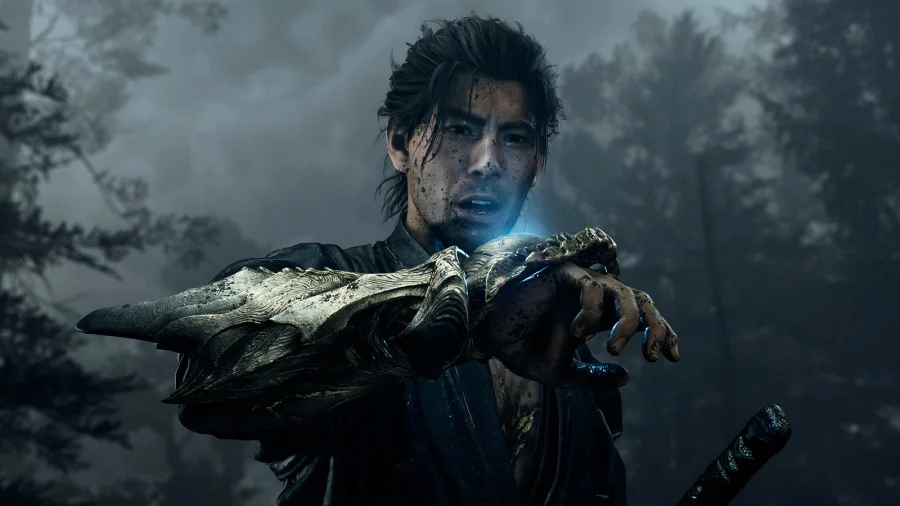
The last time Capcom bet big on a forgotten franchise, it paid off. Now, after Onimusha: Way of the Sword crossed one million copies sold at launch, the company is openly looking at its dusty catalog of dormant IPs with fresh intent. For players who grew up on Capcom's golden era, this is the closest thing to a revival signal the company has sent in years.
One Million Sales That Changed Capcom's Calculus
Onimusha: Way of the Sword was not guaranteed to succeed. The franchise had been dormant for nearly two decades, and the action genre has grown crowded since its heyday. Yet the game moved past one million units at launch, a figure that reportedly exceeded Capcom's internal projections.
That number matters beyond the game itself. It tells Capcom's leadership that nostalgia alone is not carrying sales — players genuinely want these older worlds back with modern production values.
Why a Dormant Franchise Revival Makes Business Sense Now
Capcom has watched its peers mine legacy catalogs successfully, but its own approach has been selective. The company revived Resident Evil and Devil May Cry consistently, while leaving other series untouched for years.
Onimusha's launch performance changes that risk calculation. Developing a new IP carries enormous uncertainty, while reviving a known franchise brings built-in awareness, existing fan communities, and lower marketing costs. The million-copy milestone essentially de-risked the entire concept of legacy revivals for Capcom's boardroom.
From Onimusha's 2001 Debut to Its 2025 Comeback
Onimusha first launched in 2001 as a PlayStation 2 exclusive, blending historical Japanese settings with supernatural horror and action combat. The series became a commercial staple for Capcom through the early 2000s, but entries slowed and the franchise eventually went quiet after 2006's Dawn of Dreams.
Rumors of a return circulated for years before Capcom finally confirmed Way of the Sword. Its launch performance now positions the title as a template for how the company approaches other shelved series.
What This Means for Players Who Grew Up on Classic Capcom
For longtime fans, the implications are personal. Many of Capcom's dormant franchises defined entire gaming generations — from arcade beat-em-ups to cult-classic action titles that never received proper sequels.
The Onimusha result suggests Capcom's leadership now sees commercial value in that nostalgia rather than treating it as a niche curiosity. Players who have spent years petitioning for returns of older series finally have a concrete commercial argument on their side.
Capcom's Official Position and What Remains Unsaid
Capcom has confirmed it is looking at reviving more dormant franchises following Onimusha's success, but the company has not disclosed which specific IPs are under consideration.
No official list, timeline, or development roadmap has been shared publicly. The absence of named titles suggests the evaluation process is still early, with Capcom likely weighing production costs, team availability, and market fit before committing resources.
Reading Between the Lines of Capcom's Revival Strategy
Capcom's approach appears measured rather than reckless. The company is not announcing a blanket revival program — it is responding to demonstrated demand with selective exploration.
This mirrors how Capcom handled Resident Evil remakes, which started with one well-received title before expanding into a broader initiative. Onimusha may serve a similar role as a test case, proving whether mid-tier legacy franchises can still command mainstream attention in today's market.
What Is Confirmed Versus What Is Still Speculation
Confirmed: Onimusha: Way of the Sword sold over one million copies at launch. Confirmed: Capcom is exploring revivals of other dormant franchises in response.
Unconfirmed: Which franchises are being considered. Unconfirmed: Whether any revival is already in active development. Unconfirmed: Any release timeline for future legacy titles.
Any specific franchise names circulating online remain speculation until Capcom makes an official announcement.
Why Capcom's Catalog Depth Gives It an Unfair Advantage
Few publishers possess a back catalog as deep as Capcom's. The company spent decades building franchises across arcade, console, and handheld platforms, creating a library of recognizable names that competitors simply cannot match.
This catalog depth functions as a strategic moat. When Capcom revives a franchise, it does not start from zero awareness — it inherits decades of cultural memory, community goodwill, and proven gameplay foundations. That advantage reduces the risk of every revival attempt and makes the company's exploration of dormant IPs a logical extension of its existing strengths.
The Risks Capcom Faces in Chasing Nostalgia
Revival strategies carry inherent dangers. Not every dormant franchise translates well to modern expectations, and fans can turn hostile if a beloved series returns in a form that feels disconnected from its roots.
There is also the question of development bandwidth. Capcom's internal teams are already supporting major ongoing franchises, and spreading resources across multiple revivals could dilute quality. The company must balance nostalgia-driven projects against its live-service and flagship commitments.
A Pattern of Legacy Revivals Across the Gaming Industry
Capcom is not alone in this strategy. Across the industry, publishers are increasingly turning to established IPs as development costs climb and player acquisition becomes more expensive.
What distinguishes Capcom is the breadth of its catalog and its demonstrated ability to modernize older gameplay concepts without losing their identity. Onimusha's success suggests the company has found a formula that other publishers may now study closely.
What Players Should Do While Waiting for Announcements
For fans hoping to see specific franchises return, the practical move is patience paired with demonstrated support. Sales figures and engagement metrics are what Capcom's leadership actually tracks when evaluating revival decisions.
Supporting Onimusha: Way of the Sword if you want more legacy revivals is the most direct signal available. Engaging with Capcom's official channels and participating in community discussions also helps maintain visible demand for dormant series.
What Could Come Next in Capcom's Revival Pipeline
Capcom has not committed to any specific timeline for announcing which franchises it will revive next. The company may reveal plans at major industry events, through investor presentations, or via dedicated showcases.
Until an official announcement arrives, any discussion of specific titles remains speculative. What is clear is that Capcom now views its dormant catalog as an active opportunity rather than archived history.
Our Take
Onimusha's million-copy launch is more than a single game's success story — it is a signal about where Capcom's strategy is heading. The company has spent years carefully managing its major franchises while leaving much of its catalog untouched. That era appears to be ending.
The smartest aspect of Capcom's approach is its restraint. Rather than announcing a flood of revivals, the company is letting market response guide its decisions. If Onimusha's success translates into carefully selected, well-produced returns for other dormant series, players could be entering a golden period of Capcom legacy content.
Frequently Asked Questions
Which Capcom franchises could be revived next?
Capcom has not named specific franchises under consideration. The company only confirmed it is exploring revivals of dormant IPs following Onimusha: Way of the Sword's success. Any specific titles mentioned online remain speculation.
How many copies did Onimusha: Way of the Sword sell?
Onimusha: Way of the Sword sold more than one million copies at launch, according to Capcom. The figure reportedly exceeded the company's internal expectations.
Why is Capcom reviving old franchises now?
The commercial success of Onimusha: Way of the Sword demonstrated that dormant Capcom franchises can still attract large audiences. This reduced the perceived risk of reviving other legacy IPs and encouraged the company to explore similar opportunities.
When will Capcom announce the next franchise revival?
No timeline has been announced. Capcom's revival exploration is in early stages, and the company has not committed to a specific date for revealing which franchises it will bring back next.