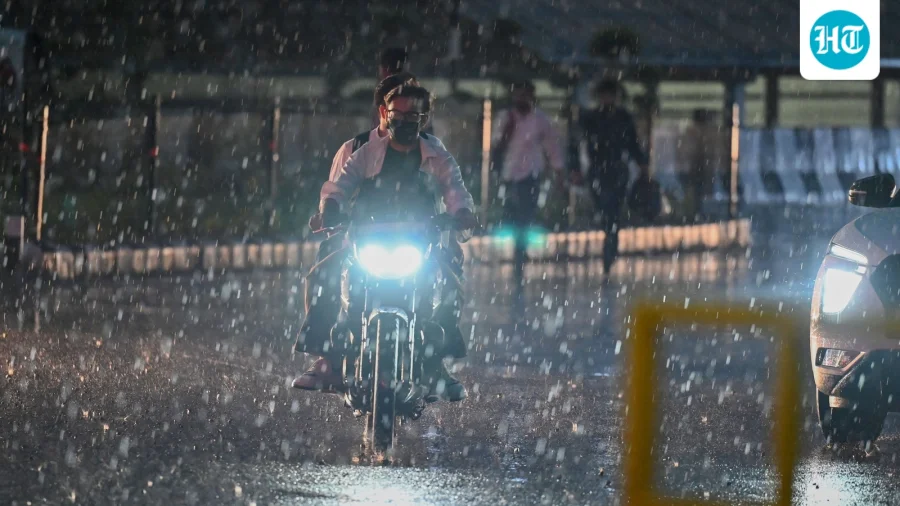
Delhi is bracing for a dramatic shift in weather as the India Meteorological Department (IMD) has issued a red alert, warning that thunderstorms, rain, and strong winds are likely to intensify from Friday. For a city that has been sweltering under intense heat, this forecast brings both relief and caution.
What the Red Alert Means for Delhi Residents
The IMD's red alert is the highest level of weather warning, indicating that severe weather is expected to cause significant disruption. For Delhi, this means thunderstorms accompanied by lightning, gusty winds reaching speeds of 50-80 kmph, and heavy rainfall are likely to lash the capital from Friday. The alert covers the entire National Capital Region (NCR), including Noida, Gurugram, Ghaziabad, and Faridabad.
Why This Weather Shift Is Happening Now
Meteorologists attribute this sudden change to a confluence of weather systems. A western disturbance is interacting with a cyclonic circulation over northwest India, creating conditions ripe for intense thunderstorm activity. This rare combination is expected to sustain the weather pattern for at least 48-72 hours, bringing much-needed relief from the oppressive heat that has gripped Delhi in recent weeks.
Heat Relief: How Temperatures Will Drop
The prevailing conditions are also expected to bring relief from the heat, with temperatures likely to dip over the next few days. After days of maximum temperatures hovering around 40-42°C, the mercury is forecast to drop by 5-7°C, bringing daytime temperatures down to the mid-30s. Night temperatures are also expected to become more comfortable, offering respite from the humid nights.
Who Is Affected and What Precautions to Take
Commuters, daily wage workers, and students are among the most affected. The IMD has urged residents to stay indoors during the worst of the weather, avoid open areas, and stay away from trees and tall structures during thunderstorms. Those traveling by road or air should expect delays and disruptions. The Delhi Traffic Police has also been put on alert to manage potential waterlogging and fallen trees.
IMD's Official Advisory and Safety Measures
The IMD has issued a detailed advisory, warning of potential damage to vulnerable structures, uprooting of trees, and disruption to power and communication lines. "Residents are advised to stay cautious and avoid unnecessary travel during the alert period," an IMD official said. The department has also warned of lightning strikes, urging people to seek shelter in concrete buildings and avoid using electronic appliances connected to power lines.
Understanding the Intensity: What Makes This Alert Different
This is not a routine weather warning. The red alert signifies that the weather system is capable of causing significant damage and disruption. The combination of strong winds, heavy rain, and lightning makes it particularly dangerous. Unlike a yellow or orange alert, which advises preparedness, a red alert demands immediate action and caution.
Confirmed Facts vs What Remains Unclear
Confirmed: IMD has issued a red alert for Delhi for thunderstorms, rain, and strong winds from Friday. Temperatures are expected to dip. Gusty winds of 50-80 kmph are likely. Unclear: The exact duration of the severe weather beyond 48 hours. Whether the rain will be widespread or localized. The precise impact on flight and train schedules, though delays are expected.
Risks and Balanced View
While the rain brings relief from heat, it also poses risks. Strong winds can uproot trees and damage property. Lightning is a serious safety hazard. Waterlogging in low-lying areas could disrupt traffic and daily life. Residents should balance their relief with caution, staying informed through official IMD updates and local news.
Wider Weather Pattern: A Shift in North India's Climate
This weather event is part of a larger pattern affecting northwest India. Several states, including Punjab, Haryana, and Rajasthan, are also under weather warnings. The interaction of western disturbances with local systems is becoming more frequent, leading to sudden and intense weather events. This trend underscores the need for better urban preparedness and climate adaptation.
Practical Guidance for Delhi Residents
Stay indoors during the worst of the weather. Keep emergency numbers handy. Avoid parking vehicles under trees. Secure loose objects on balconies and rooftops. If outdoors, seek shelter in a concrete building immediately. Do not use elevators during thunderstorms. Keep mobile phones charged and stay tuned to official IMD updates.
What Could Happen Next
The weather is expected to remain active through the weekend, with thunderstorms likely to continue on Saturday and Sunday. IMD will issue further updates as the system evolves. After the alert period, temperatures are expected to rise again, but the immediate relief from heat will be significant. Long-term forecasts suggest more such weather events in the coming weeks as the monsoon approaches.
Our Take
This red alert is a reminder that extreme weather events are becoming more common in urban India. While the rain is a welcome relief from the heat, the risks it brings cannot be ignored. Delhi's infrastructure, particularly its drainage and power systems, will be tested. Residents must prioritize safety over convenience. The IMD's timely warning is a valuable tool, but public awareness and preparedness are equally critical.
Frequently Asked Questions
What does a red alert mean for Delhi weather?
A red alert is the highest level of weather warning issued by IMD. It indicates that severe weather, such as thunderstorms, heavy rain, and strong winds, is expected to cause significant disruption and damage. Residents are advised to take immediate precautions and stay indoors.
When will the thunderstorms and rain start in Delhi?
According to IMD, thunderstorms, rain, and strong winds are likely to intensify from Friday. Some areas may already be experiencing light rain and gusty winds as the weather system approaches.
Will the rain bring relief from the heat in Delhi?
Yes, the prevailing conditions are expected to bring relief from the heat. Temperatures are likely to dip by 5-7°C over the next few days, making daytime temperatures more comfortable.
What precautions should I take during a red alert in Delhi?
Stay indoors, avoid open areas, and stay away from trees and tall structures. Secure loose objects on balconies. Avoid using electronic appliances during thunderstorms. Keep emergency numbers handy and stay updated through official IMD channels.