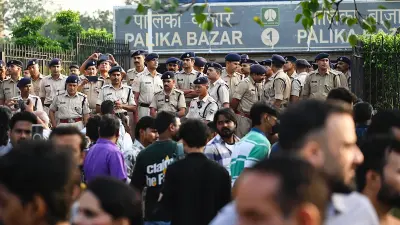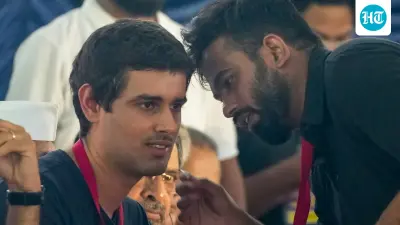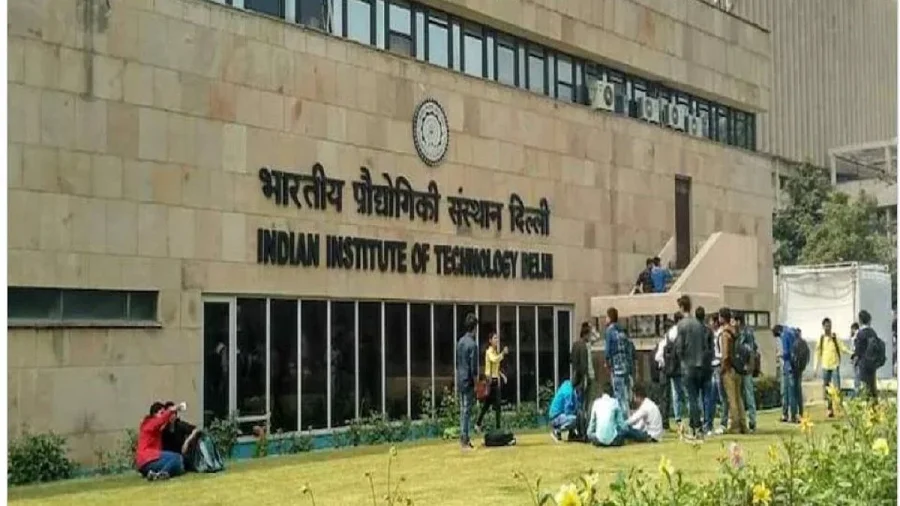
The silence of an academic corridor broke into rare public dissent this week. Nearly 300 IIT Delhi students gathered on Monday, not for a festival or a guest lecture, but to demand answers after the death of MSc Physics student Rishikesh Kumar. For an institution known for quiet discipline, this protest carried weight.
Why a student's death triggered unprecedented campus action
The protest was not spontaneous anger. Students demanded accountability over how the institute handles student welfare and mental-health concerns. Their grief translated into a clear ask: transparency from the administration.
IIT Delhi responded swiftly. Director Rangan Banerjee announced the formation of an external committee to investigate all aspects surrounding Kumar's death. The panel must submit its findings within two weeks.
The inquiry panel: who will investigate and what it means
The committee will be headed by Ashok Kumar, former Director General of Police of Uttarakhand. He is an IIT Delhi alumnus and currently serves as Vice-Chancellor of the Sports University of Haryana.
His appointment signals a deliberate choice — an outsider with administrative authority and institutional familiarity. The external composition aims to address student concerns about internal bias.
How the situation unfolded: from tragedy to protest
Details of Rishikesh Kumar's death remain limited. What is known is that students felt the institute's response was inadequate, prompting organized demonstration.
The protest lasted a full day. Students remained on campus, maintaining peaceful demonstration while pressing for institutional change.
Who is affected: students, families, and institutional trust
For IIT Delhi's student body, this is deeply personal. The death of a peer raises questions every student silently carries — is the system listening? Are mental-health resources adequate?
For families sending children to premier institutions, the incident touches a raw nerve. Academic excellence cannot come at the cost of student well-being.
Official response: what the director has committed to
Director Rangan Banerjee's statement was direct. The committee will examine all aspects surrounding Kumar's death, not just immediate circumstances but likely systemic factors as well.
The two-week timeline signals urgency. It also creates an expectation of concrete action, not just a report that gathers dust.
What this protest reveals about campus mental health in India
This incident fits a troubling pattern across Indian higher education. Premier institutions face mounting pressure on student mental health, with academic stress, competition, and isolation taking a toll.
IIT Delhi's response — external inquiry, clear timeline — may set a precedent for how institutions handle such crises. But the deeper question remains: what preventive measures exist before tragedy strikes?
Confirmed facts vs what remains unclear
Confirmed: Nearly 300 students protested on Monday. An external committee has been formed. Ashok Kumar will head it. Findings are due within two weeks.
Unclear: The specific circumstances of Rishikesh Kumar's death. Whether mental-health protocols were followed. What specific demands students have made beyond accountability.
All speculation about the cause of death or institutional negligence remains unverified at this stage.
Why IIT Delhi's institutional response matters beyond this case
IIT Delhi is not just any university. It is a flagship institution whose policies often become templates for others. How it handles this crisis will be watched by students, parents, and administrators across India.
The decision to go external rather than internal is significant. It acknowledges that internal reviews may lack credibility when trust has already eroded.
Risks and balanced view: challenges ahead for the inquiry
The two-week timeline is ambitious. Complex investigations rarely conclude quickly, and pressure to deliver may compromise thoroughness.
There is also the question of scope. Will the committee examine only Kumar's death, or broader student welfare systems? Students may expect systemic recommendations, not just case-specific findings.
Critics might argue that protests pressure institutions into reactive measures rather than proactive reform. Supporters would counter that visible accountability is the first step toward rebuilding trust.
The wider pattern: student protests at Indian institutes
Student demonstrations at Indian institutes of technology remain relatively rare but are not unprecedented. When they occur, they often center on hostel conditions, fee structures, or administrative decisions.
Mental health as a protest trigger marks a shift. It reflects growing awareness among students that academic pressure has real psychological consequences.
What students and parents should know now
For current IIT Delhi students: the institute has committed to an external review. If you have relevant information, consider sharing it through official channels to assist the committee.
For parents: this incident underscores the importance of open conversations about mental health with your children, regardless of which institution they attend.
For students elsewhere: your institution's mental-health resources exist — knowing them before a crisis is essential.
What happens next: timeline and expectations
The committee has two weeks to submit findings. Following submission, the institute will face the challenge of implementing recommendations while managing student expectations.
How transparently the findings are shared will determine whether this protest becomes a turning point or a footnote.
Our Take
This protest was rare because IIT Delhi students rarely take to the streets. That they did signals deep frustration, not just with one incident but with a system that often prioritizes academic output over human well-being.
The external committee is a positive step, but the real test lies ahead. Will the findings be made public? Will recommendations be implemented? Will mental-health infrastructure receive genuine investment?
Rishikesh Kumar's death is a tragedy that cannot be undone. But how IIT Delhi responds could shape how Indian institutions handle student welfare for years to come.
Frequently Asked Questions
Why did IIT Delhi students protest?
Nearly 300 students staged a day-long protest following the death of MSc Physics student Rishikesh Kumar, demanding accountability over the institute's handling of student welfare and mental-health concerns.
Who is heading the IIT Delhi inquiry committee?
Former Uttarakhand Director General of Police Ashok Kumar, an IIT Delhi alumnus and current Vice-Chancellor of the Sports University of Haryana, will head the external committee.
When will the IIT Delhi inquiry report be submitted?
IIT Delhi Director Rangan Banerjee stated the committee will examine all aspects surrounding Kumar's death and submit its findings within two weeks.
What are the students demanding from IIT Delhi?
Students are demanding accountability and greater transparency from the administration regarding student welfare and mental-health support systems at the institute.
[NEWS_SCHEMA]{"@context":"https://schema.org","@type":"NewsArticle","headline":"Rare IIT Delhi Protest Erupts After Student's Death, Institute Forms Inquiry Panel","description":"Nearly 300 IIT Delhi students protested after MSc Physics student Rishikesh Kumar's death. Institute forms external committee headed by former Uttarakhand DGP to investigate within two weeks.","image":"","datePublished":"","dateModified":"","author":{"@type":"Person","name":"Editorial Desk","url":"","sameAs":[]},"publisher":{"@type":"Organization","name":"","logo":{"@type":"ImageObject","url":""}},"mainEntityOfPage":{"@type":"WebPage","@id":""},"articleSection":"Education","keywords":"IIT Delhi protest, student death, inquiry panel, mental health, Rishikesh Kumar"}[/NEWS_SCHEMA] [SOURCES]IIT Delhi Official Statement — Institute Communication