Two years ago, Rabbit promised to free people from their phones. Now it's asking to live inside them. The company is launching OS3, a cross-platform AI agent app designed for the screens users already own — a quiet admission that the hardware-first bet didn't work.
From Pocket Gadget to Pocket App: What Rabbit OS3 Actually Is
According to the original story, OS3 is a cross-platform agent — software that runs across devices rather than on a single piece of Rabbit-branded hardware. Instead of buying a separate device, users would access Rabbit's AI agent through the phones and computers they already carry.
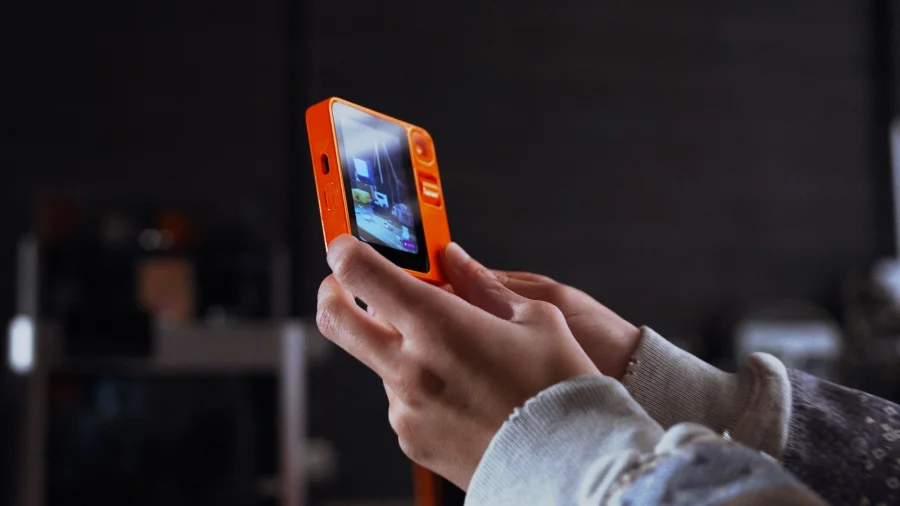
That's a fundamental shift in strategy. The R1 was sold as a companion device with its own screen, scroll wheel, and push-to-talk button. OS3 removes the hardware entirely from the equation.
Why This Pivot Matters More Than the Product Itself
Rabbit's original pitch was ambitious: a $199 device that could handle tasks without apps. The reality was messier. Reviewers questioned whether the R1 could reliably do what a phone already did, and the company faced scrutiny over how its underlying AI worked.
By moving to software, Rabbit sidesteps the hardest part of consumer hardware — manufacturing, distribution, and convincing people to carry a second device. It also puts the company in direct competition with assistants that come pre-installed on every phone.
How Rabbit Got Here: A Two-Year Arc
The R1 launched to intense hype and equally intense skepticism. Early demos suggested a future where AI handled tasks across apps without user intervention. In practice, the device's usefulness was limited, and the company's claims about its technology drew public criticism.
Since then, the broader AI industry has shifted toward agents — software that can take actions, not just answer questions. Rabbit's OS3 appears to be its attempt to catch that wave without the hardware baggage.
Who This Actually Affects
Existing R1 owners are the most immediate audience. If OS3 works on their phones, the device they bought may become redundant — or, depending on how Rabbit positions it, a companion rather than a replacement.
New users, meanwhile, face a simpler decision: install an app, or ignore it. That's a much lower barrier than a hardware purchase, but also a much easier one to walk away from.
What Rabbit Has Said — and What It Hasn't
Based on the available source material, Rabbit has framed OS3 as a cross-platform agent. Specifics — pricing, supported platforms, launch dates, and which tasks the agent can actually complete — are not confirmed in the sourcing provided.
That gap matters. Agent apps are judged on what they can reliably do, not what they promise. Without verified capability details, the announcement remains a direction rather than a demonstrated product.
Reading the Strategy Behind the Announcement
Rabbit's move mirrors a broader pattern: AI companies that started with hardware are rediscovering software. Hardware offers differentiation but punishes mistakes. Software offers reach but demands that the product be genuinely better than what's already installed.
For Rabbit, OS3 is less a comeback than a reset. The company is no longer asking users to change their habits — only to add an app.
Confirmed Facts vs What Remains Unclear
Confirmed: Rabbit is launching OS3, described as a cross-platform AI agent app, two years after its hardware-first approach.
Unclear: Pricing, platform support, launch timeline, agent capabilities, and whether R1 owners receive any migration path. These details are not verified in the available sourcing and should not be assumed.
The Real Differentiator Rabbit Is Betting On
If OS3 succeeds, it won't be because of hardware. It will be because the agent does something native assistants don't — likely cross-app task execution, which remains the hardest problem in consumer AI.
That's the moat Rabbit needs. Without it, OS3 is just another assistant icon on a home screen already crowded with them.
Risks and the Case Against Optimism
The obvious risk: Rabbit is now competing on turf owned by Apple, Google, and OpenAI, all of which ship assistants by default. Distribution favors incumbents.
A second risk is credibility. The R1's reception left lingering questions about Rabbit's claims. A software launch invites the same scrutiny, only faster — users can install, test, and uninstall within minutes.
The Wider Pattern: AI Hardware's Quiet Retreat
Rabbit isn't alone. The past two years have seen several AI gadget startups struggle to justify a second device. The industry's center of gravity has moved toward software agents layered onto existing platforms.
OS3 fits that pattern. It's less a product launch than an industry correction, arriving on schedule.
What Readers Should Do Now
If you own an R1, wait for official details on whether OS3 replaces, complements, or ignores your device. If you're curious about AI agents, there's no urgency — the category is still forming, and early software is rarely the version worth committing to.
What Happens Next
The next signals to watch are concrete: which platforms OS3 supports, what tasks it can complete end-to-end, and whether Rabbit publishes verifiable demonstrations rather than curated demos. Until then, the announcement is a direction, not a result.
Our Take
Rabbit's pivot is the most honest thing the company has done. The R1 asked users to believe in a future that hadn't arrived. OS3 asks them to try an app. That's a smaller promise — and a more credible one. Whether Rabbit can deliver on it is a separate question, and one that only shipping software can answer.
Frequently Asked Questions
What is Rabbit OS3?
Rabbit OS3 is a cross-platform AI agent app that runs on devices users already own, rather than on dedicated Rabbit hardware.
Do I still need a Rabbit R1 to use OS3?
Based on the available information, OS3 is designed as a cross-platform app, suggesting R1 hardware is not required. Official confirmation is not available in the sourcing provided.
Why did Rabbit move away from hardware?
The R1 struggled to justify itself against smartphones. Moving to software removes manufacturing and distribution barriers and gives Rabbit access to a much larger user base.
Is Rabbit OS3 available now?
Launch timing, pricing, and supported platforms have not been confirmed in the available sourcing. Readers should check Rabbit's official channels for verified details.