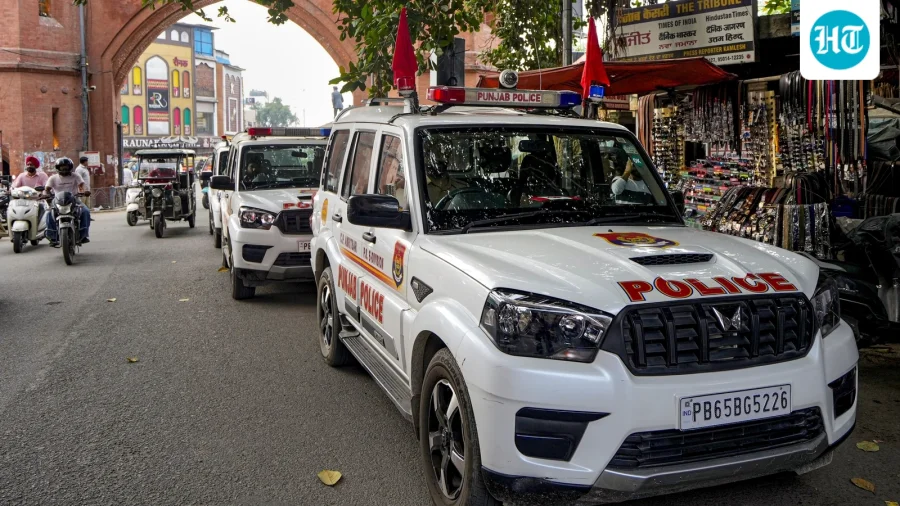
Fourteen people sitting thousands of kilometres away in the United Kingdom are now the subject of an active extradition push by Punjab Police. Warrants have been issued against all of them, and the state's Bureau of Investigation has formally begun the paperwork to bring them back.
It is a quiet but significant escalation — the kind of move that rarely makes noise on the day it happens, but can reshape a case over the months that follow.
What Punjab Police Has Actually Done — and What It Hasn't
According to the original report, the action follows the findings of a Special Investigation Team (SIT). On the basis of those findings, warrants were issued against all 14 passengers, and the BOI has initiated extradition-related proceedings.
That is the confirmed part. What is not yet confirmed: the specific charges, the identities of the 14 individuals, the exact nature of the SIT's findings, and whether the UK has received or acknowledged any formal request.
Why an Indian Warrant Alone Doesn't Bring Anyone Home
This is where most readers get the wrong idea. An Indian arrest warrant has no automatic force on British soil. Extradition is a separate, treaty-governed process — and it is slow.
India and the UK operate under an extradition treaty framework that requires the requesting side to submit a formal, documented case. UK courts then examine whether the alleged offence qualifies, whether there is sufficient evidence, and whether human rights or other legal bars apply.
In practice, this means the Punjab Police move is the beginning of a long corridor, not the end of one.
The SIT at the Centre of the Case
Special Investigation Teams are constituted when a case is complex enough to need dedicated investigators — multiple accused, cross-border elements, or layered evidence. Their findings typically form the evidentiary backbone of any warrant or extradition request.
In this instance, the SIT's conclusions appear to have been the trigger for both the warrants and the BOI's involvement. The Bureau of Investigation handles serious and organised crime matters for Punjab, and its entry into the file signals the case is being treated as more than routine.
Who This Affects — and Why It Matters Beyond the Case
For the families and associates of the 14 individuals, the immediate effect is legal uncertainty: travel risk, potential Interpol notices, and the possibility of detention if they move through jurisdictions that cooperate with India.
For the wider Punjabi diaspora in the UK — one of the largest and most established overseas communities — cases like this sharpen an already sensitive conversation about how Indian law enforcement pursues suspects abroad, and how much evidence is required before a British court agrees to send someone back.
What UK Authorities Have Said — and What They Haven't
As of the information available, there is no reported public response from UK law enforcement, the Home Office, or British courts on this specific request.
That silence is normal at this stage. Extradition requests are typically handled confidentially until they reach a formal judicial stage. Readers should treat any claim of an imminent handover as unverified.
Reading the Move: Pressure, Procedure, or Both?
Two readings are possible, and both can be true at once.
The procedural reading: Punjab Police is doing exactly what the law requires — securing warrants, routing the file through the BOI, and preparing a treaty-compliant request. Nothing unusual.
The strategic reading: issuing warrants against overseas suspects also creates legal pressure. It restricts movement, triggers watchlist flags, and signals to the diaspora that distance is not immunity.
Confirmed Facts vs What Remains Unclear
Confirmed: Warrants issued against 14 individuals; BOI has initiated extradition-related proceedings; the action follows SIT findings.
Unclear: The charges, the identities, the evidence threshold, whether the UK has been formally approached, and any timeline. Anything beyond this is speculation and should be labelled as such.
Risks and the Balanced View
Extradition requests can stall for years, be challenged on evidentiary grounds, or be refused outright. Political and diplomatic factors can also slow the process regardless of the legal merits.
There is also a fairness question that cuts both ways: suspects are entitled to contest the evidence, and Indian agencies are entitled to pursue them. A warrant is an allegation, not a conviction.
The Wider Pattern
This case fits a broader trend — Indian states increasingly using extradition, Interpol channels, and mutual legal assistance treaties to pursue suspects who have moved abroad. Punjab, given its diaspora footprint, is among the more active.
The outcome of this request will be watched closely, because it will signal how smoothly that machinery actually works in practice.
What Readers Should Do Now
If you or someone you know is named or connected to this case, consult a lawyer qualified in both Indian and UK law before travelling. Do not rely on social media claims about the status of the request.
For everyone else: follow official channels — Punjab Police statements, MHA updates, and UK court listings — rather than unverified forwards.
Future Outlook
The next visible step would be a formal request reaching UK authorities and, eventually, a magistrate's hearing in Britain. That could take months. Until then, the warrants stand, the file is open, and the 14 remain in the UK.
Our Take
This is not a dramatic story — it is a procedural one, and that is precisely why it matters. Extradition is where a country's legal reach meets its diplomatic limits. Punjab Police has started the process. Whether it finishes depends on courts in London, not officers in Chandigarh.
Frequently Asked Questions
How many people is Punjab Police trying to extradite from the UK?
Fourteen individuals, all based in the UK, against whom warrants have been issued following SIT findings.
Has the UK agreed to extradite them?
No. There is no reported confirmation that UK authorities have received, reviewed, or approved any request. Extradition requires a UK court decision.
What is the BOI's role in this case?
The Bureau of Investigation, Punjab, has initiated the extradition-related proceedings — essentially preparing and routing the formal request through the correct legal and diplomatic channels.
How long does extradition from the UK to India usually take?
It varies widely. Contested cases can take years, involving multiple hearings, appeals, and evidentiary reviews. There is no fixed timeline.