The Bombay High Court on Tuesday issued a stark warning: if Mumbai's green cover and mangroves continue to shrink, residents may soon be forced to carry oxygen cylinders for "oxygen shots." The observation, made by a division bench of Acting Chief Justice Ravindra Ghuge and Justice Gautam Ankhad, came during a hearing on a petition seeking permission to cut down 847 mangrove trees for a transmission line linked to the Mumbai-Ahmedabad bullet train project.
Why the court raised the oxygen cylinder alarm
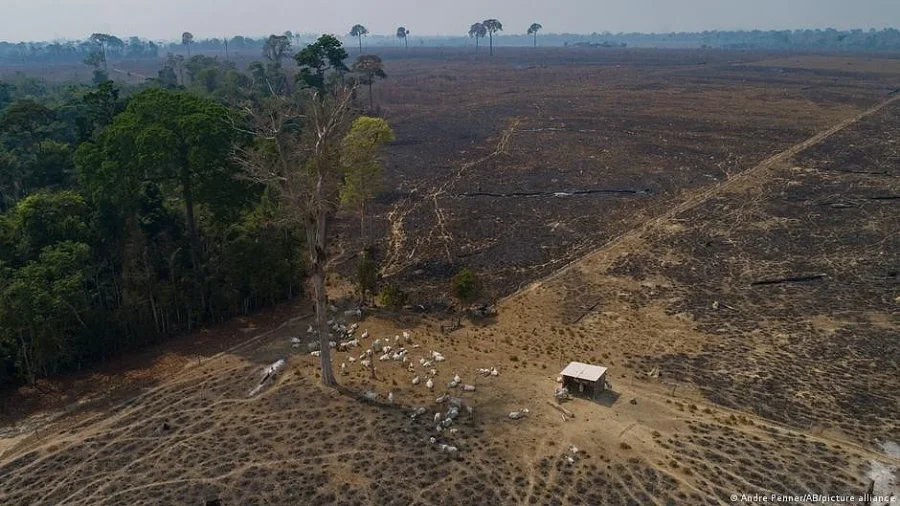
The court's concern was not limited to the specific tree-cutting request. It pointed to a larger, systemic problem: the relentless loss of green cover across Mumbai and its surrounding areas. "The day may not be far when people are forced to carry oxygen cylinders to take oxygen shots," the bench observed, highlighting the direct link between environmental degradation and public health.
What the petition is about
The petition was filed by the Maharashtra State Electricity Transmission Company Ltd (MSETCL), which plans to lay a 132 KV transmission line from Dahanu to Ambesari in Palghar district. The line is needed to power the Mumbai-Ahmedabad bullet train project. To do so, the company sought permission to fell 847 mangrove trees. The court, however, shifted the focus from the immediate request to the broader ecological crisis.
Who is affected by shrinking mangroves
Mumbai's mangroves act as natural barriers against flooding, coastal erosion, and air pollution. They also absorb carbon dioxide and release oxygen. Their decline directly impacts the 20 million residents of the Mumbai Metropolitan Region. Poor air quality, increased flooding, and loss of biodiversity are already visible consequences. The court's warning underscores that these effects could worsen to a point where basic survival—breathing—becomes dependent on artificial oxygen.
Court's key question: Is compensatory afforestation working?
The bench questioned whether authorities are ensuring that trees planted as compensatory measures are actually surviving and thriving. "The larger concern is not merely the cutting of mangroves but whether authorities are ensuring that trees planted as compensatory... are being properly monitored," the court said. This raises doubts about the effectiveness of India's compensatory afforestation programs, which often fail due to poor maintenance, lack of monitoring, and land encroachment.
What remains unclear
It is not yet clear whether the court will grant permission for the mangrove felling or impose conditions. The MSETCL has not publicly detailed its alternative plans or the exact timeline for the transmission line. The court's final order is awaited. What is confirmed is the court's strong stance on the need for rigorous environmental oversight.
Confirmed facts vs what remains unclear
Confirmed: Bombay HC made the oxygen cylinder observation. The petition is by MSETCL for 847 mangroves. The transmission line is for the bullet train project. The court questioned compensatory afforestation monitoring.
Unclear: Whether the court will allow the tree felling. The exact survival rate of compensatory plantations. The timeline for the court's final decision.
Wider trend: India's vanishing urban green cover
Mumbai is not alone. Across India, rapid urbanization, infrastructure projects, and lax enforcement are eating into green cover. Cities like Delhi, Bengaluru, and Chennai face similar crises. The Bombay HC's warning fits into a national pattern where development often comes at the cost of ecological health. Courts have increasingly stepped in to balance infrastructure needs with environmental protection.
Practical guidance for residents
For Mumbaikars, the court's warning is a call to action. Citizens can participate in local tree plantation drives, report illegal mangrove destruction, and support conservation groups. They can also demand transparency from authorities on compensatory afforestation projects. On a personal level, monitoring air quality indices and using masks during high pollution days may become more common.
Future outlook
The court's observation could set a precedent for how environmental pleas are handled in infrastructure projects. If the bench imposes strict conditions on the mangrove felling, it may force project proponents to explore alternatives like underground cabling or route realignment. The broader trend suggests that Indian courts are increasingly prioritizing ecological sustainability over unchecked development.
Our Take
The Bombay HC's warning is not hyperbole—it is a scientifically grounded observation. Mangroves are among the most efficient natural carbon sinks and oxygen producers. Their loss has measurable impacts on air quality. The court's focus on compensatory afforestation is equally important; planting trees is meaningless if they do not survive. This case highlights a fundamental tension: India needs infrastructure, but not at the cost of making its cities unlivable. The real test will be whether authorities implement genuine, monitored restoration—not just token tree planting.
Frequently Asked Questions
Why did the Bombay HC warn about oxygen cylinders?
The court warned that shrinking green cover and mangroves in Mumbai could degrade air quality to a point where residents may need artificial oxygen. The observation was made during a hearing on a petition to cut mangroves for a bullet train transmission line.
How many mangroves are proposed to be cut?
The Maharashtra State Electricity Transmission Company Ltd (MSETCL) sought permission to fell 847 mangrove trees for a 132 KV transmission line from Dahanu to Ambesari in Palghar district.
What is compensatory afforestation?
Compensatory afforestation is a policy where trees cut for development projects must be replaced by planting an equivalent number elsewhere. The Bombay HC questioned whether these replacement trees are being properly monitored and surviving.
What can citizens do about shrinking green cover?
Citizens can participate in local tree plantation drives, report illegal mangrove destruction, support conservation groups, and demand transparency from authorities on compensatory afforestation projects.