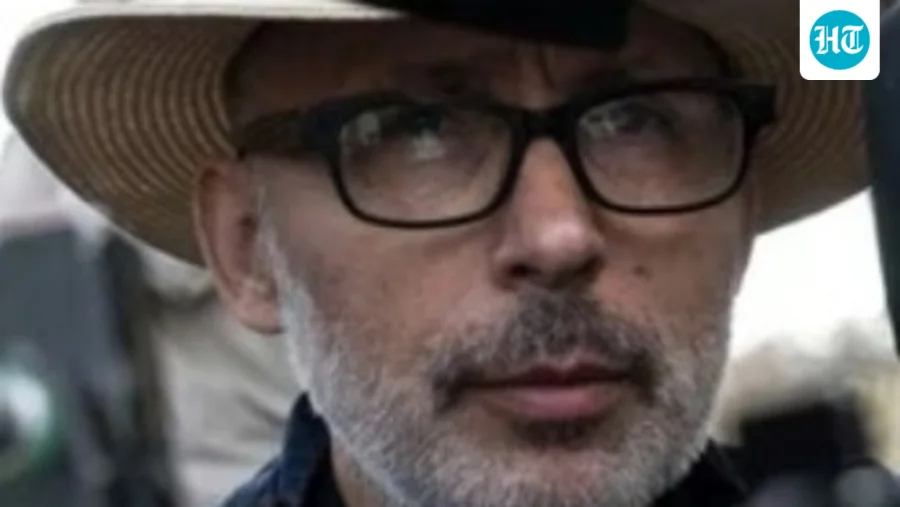
For a cinematographer who has captured some of Hollywood’s most spectacular visual sequences, the real drama unfolded not on a film set but on a Himalayan mountainside. George Richmond, the 54-year-old director of photography behind *Deadpool & Wolverine* and the *Fantastic Beasts* franchise, survived a terrifying paragliding crash in Himachal Pradesh that left him with severe spinal injuries. His rescue by the Indian Air Force and subsequent emergency surgery at one of India’s top medical institutes has become a story of survival against steep odds.
The crash: A takeoff that went wrong at 12,000 feet
Richmond was paragliding near Bir Billing, a world-renowned paragliding destination in Himachal Pradesh, when the accident occurred. According to reports, the crash happened during a difficult takeoff at an altitude of approximately 12,000 feet. The exact cause of the crash is still under investigation, but initial accounts suggest challenging wind conditions may have played a role. The impact was severe, leaving Richmond with critical injuries to his neck and spine.
Why this matters: A life saved by coordinated rescue
This incident highlights the critical importance of emergency response infrastructure in India’s remote adventure tourism zones. For a foreign national critically injured in a high-altitude area, the speed and efficiency of the rescue operation were decisive. The involvement of the Indian Air Force, alongside local Himachal authorities, underscores how multi-agency coordination can mean the difference between life and death in such scenarios. For adventure enthusiasts, it is a stark reminder of the inherent risks of high-altitude sports.
Timeline of the rescue and medical response
Following the crash, Richmond was initially attended to by local rescue teams. Given the severity of his neck injuries, an immediate air evacuation was deemed necessary. The Indian Air Force was called in for the operation, airlifting the cinematographer from the remote crash site. He was then rushed to the Postgraduate Institute of Medical Education and Research (PGIMER) in Chandigarh, a premier medical institution. Upon arrival, a team of neurosurgeons and spinal specialists assessed his condition and performed an emergency spinal surgery to stabilize his injuries.
The human impact: A family’s wait and a career on hold
For Richmond’s family, colleagues, and the global film community, the news of the crash sent shockwaves. Known for his vibrant visual style in blockbuster films, Richmond’s work has been seen by millions. His current project commitments are now on hold as he focuses on recovery. The incident also affects the local paragliding community in Bir Billing, which relies on international tourists. While the town is known for its safety record, such high-profile accidents can impact tourism perception.
Official response: PGIMER confirms successful surgery
Officials at PGIMER confirmed that Richmond underwent a complex spinal surgery and is now stable. “The patient is under observation in the ICU. The surgery was successful, and his vital parameters are stable,” a hospital source told reporters. The Indian Air Force also confirmed its role in the rescue, stating that the operation was conducted under challenging conditions. The British High Commission in India has been in touch with the family and local authorities to provide consular assistance.
Analysis: The risks of high-altitude adventure sports
Bir Billing is one of the most popular paragliding destinations in the world, attracting thousands of enthusiasts annually. While accidents are rare, they can be catastrophic when they occur. The combination of high altitude, unpredictable wind patterns, and the physical demands of takeoff and landing creates inherent risks. This incident is likely to prompt a review of safety protocols, particularly for foreign tourists. Experts emphasize that while paragliding is generally safe with certified operators, the margin for error at 12,000 feet is minimal.
Confirmed facts vs what remains unclear
Confirmed: George Richmond sustained serious neck and spinal injuries in a paragliding crash near Bir Billing. He was rescued by the Indian Air Force and local authorities. He underwent successful spinal surgery at PGIMER Chandigarh and is currently stable.
Unclear: The exact cause of the crash is still under investigation. The specific details of his long-term recovery timeline and whether he will require further surgeries have not been disclosed. The full extent of potential neurological impact remains to be assessed.
Wider trend: Adventure tourism safety in India
This incident is part of a broader conversation about safety standards in India’s growing adventure tourism sector. From river rafting in Rishikesh to trekking in the Himalayas, the industry has seen a surge in both domestic and international visitors. However, inconsistent regulation, varying levels of operator training, and limited emergency response infrastructure in remote areas remain concerns. The Richmond case may accelerate calls for stricter safety audits and mandatory emergency response plans for adventure operators.
Practical guidance for adventure travelers
For those planning paragliding or other high-altitude adventures, this incident serves as a critical reminder: always verify operator certifications, check weather conditions thoroughly, ensure travel insurance covers emergency evacuation, and know the location of the nearest trauma care facility. For foreign nationals, registering with your embassy before undertaking high-risk activities is advisable.
Future outlook
Richmond’s recovery is expected to take several weeks to months. The film industry is likely to adjust schedules for any pending projects. In Himachal, local authorities may introduce enhanced safety briefings and mandatory emergency drills for paragliding operators. The incident could also lead to better integration of air force and civilian rescue protocols for adventure tourism hotspots.
Our Take
George Richmond’s survival is a testament to the skill of India’s emergency responders and medical professionals. While the crash was a tragedy narrowly averted, it also exposes the gaps in safety infrastructure that persist in adventure tourism. For every successful rescue, there are lessons to be learned about prevention. The focus now must be on ensuring that such incidents become rarer, not just better managed.
Frequently Asked Questions
Who is George Richmond?
George Richmond is a British cinematographer known for his work on *Deadpool & Wolverine*, *Fantastic Beasts: The Secrets of Dumbledore*, and *Kingsman: The Golden Circle*. He is a highly respected figure in the Hollywood film industry.
What happened to George Richmond in Himachal Pradesh?
He was involved in a severe paragliding crash near Bir Billing, Himachal Pradesh, while attempting a takeoff at 12,000 feet. He sustained serious neck and spinal injuries.
How was George Richmond rescued?
He was rescued by a coordinated operation involving local Himachal authorities and the Indian Air Force, who airlifted him from the remote crash site to PGIMER Chandigarh.
What is George Richmond’s current condition?
He underwent successful emergency spinal surgery at PGIMER and is currently stable and under observation in the ICU. His recovery is expected to take time.