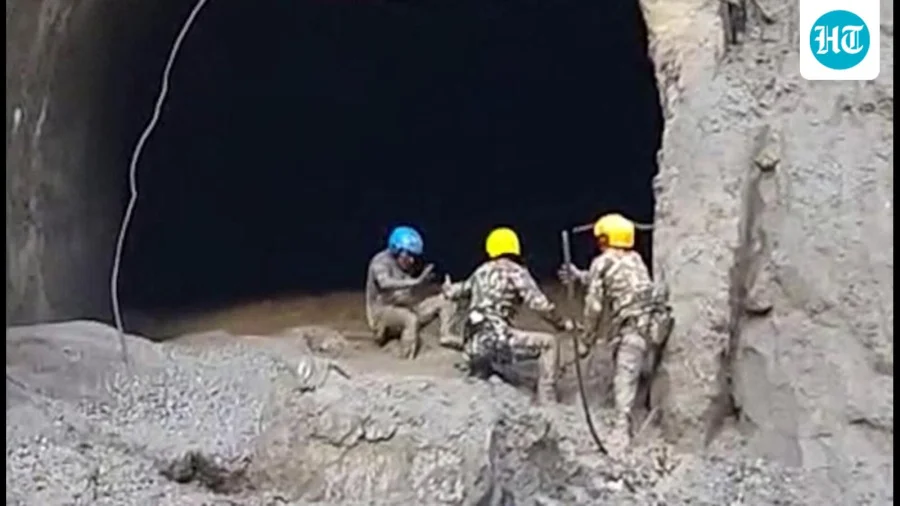
The full scale of Nepal's flood disaster is only now coming into view. More than 900 people are trapped or missing across 11 hydropower projects after torrential rains triggered landslides and flash floods, a Nepal energy ministry official said. The affected workers include citizens of Nepal, India, South Korea and China — a reminder that this crisis reaches far beyond the country's borders.
What Happened at the Hydropower Sites
The trapped and missing workers were stationed at multiple hydropower construction sites when floods struck. These projects are often located in remote, mountainous terrain, making rescue efforts particularly difficult. The energy ministry official confirmed the numbers but cautioned that the situation remains fluid as communication with some sites is still disrupted.
Why This Disaster Matters Beyond Nepal
Hydropower is central to Nepal's economy and energy future, with many projects funded or staffed by international partners. The presence of Indian, South Korean and Chinese workers means this is not just a domestic crisis — it has diplomatic and economic implications. Families in multiple countries are now waiting for news.
How the Floods Developed
Heavy monsoon rains triggered flash floods and landslides across Nepal's hilly regions. Hydropower sites, often built along fast-flowing rivers, are especially vulnerable. Within hours, workers at 11 different projects found themselves cut off from safe ground. The exact timeline of the flooding is still being pieced together by authorities.
Who Is Affected and What Families Face
For the families of the missing, the wait is agonizing. Workers at these sites include engineers, labourers and technical staff from multiple countries. Local Nepali workers make up the largest group, but the international presence means consular officials from India, South Korea and China are likely to be involved in the response.
Official Response and Rescue Efforts
A Nepal energy ministry official confirmed the figures, but detailed rescue updates have not yet been released. Search and rescue teams are working to reach the affected sites, though difficult terrain and ongoing weather conditions are slowing progress. Authorities have not yet confirmed the number of casualties.
What This Means for Nepal's Hydropower Sector
Nepal has been aggressively expanding its hydropower capacity, with dozens of projects under construction. This disaster raises serious questions about safety protocols and disaster preparedness at remote construction sites. The economic cost of halted projects and damaged infrastructure could be significant.
Confirmed Facts vs What Remains Unclear
What is confirmed: over 900 people are trapped or missing across 11 hydropower sites, and the affected workers include citizens of Nepal, India, South Korea and China. What remains unclear: the exact number of casualties, how many workers have been rescued, and the full extent of damage to the projects. Officials have not yet provided a breakdown by site or nationality.
Risks and Concerns Emerging
The biggest concern is the safety of those still trapped. Floodwaters may still be rising, and landslides could pose additional threats to rescue teams. There are also questions about whether construction should have been paused during peak monsoon season, and whether adequate early warning systems were in place at these sites.
Wider Pattern of Monsoon Disasters
South Asia's monsoon season regularly brings deadly floods and landslides, but climate experts have warned that extreme weather events are becoming more frequent and intense. Nepal's mountainous terrain makes it particularly vulnerable. This disaster fits a broader pattern of infrastructure projects facing growing climate risks.
What Families and Workers Should Do Now
Families of missing workers should stay in contact with their employers and relevant embassies for updates. Workers at other hydropower sites in Nepal should follow safety instructions from local authorities. Those with loved ones in affected areas should be prepared for slow communication, as remote regions may remain cut off for some time.
Future Outlook
Rescue operations are expected to continue for several days. Authorities will likely release more detailed information as teams reach the affected sites. The disaster may also prompt a review of safety standards at hydropower projects across Nepal, particularly those in flood-prone areas.
Our Take
This is a human tragedy unfolding in one of the world's most challenging terrains. The international dimension — workers from four countries — underscores how interconnected infrastructure projects have become. Beyond the immediate rescue effort, this disaster should force a serious conversation about worker safety and climate resilience in Nepal's hydropower boom. For now, the priority is simple: bring everyone home.
Frequently Asked Questions
How many people are trapped or missing in the Nepal floods?
Over 900 people are trapped or missing across 11 hydropower sites in Nepal, according to a Nepal energy ministry official.
Which nationalities are among the trapped or missing workers?
The affected workers include citizens of Nepal, India, South Korea and China, the energy ministry official said.
Why are hydropower sites particularly vulnerable to floods?
Hydropower projects are often built along rivers in remote mountainous areas, making them exposed to flash floods and landslides during heavy monsoon rains.
What should families of missing workers do?
Families should stay in contact with employers and relevant embassies for official updates, and be prepared for slow communication from remote areas.