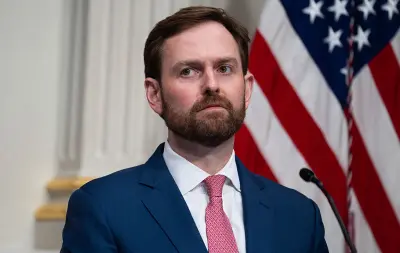
OpenAI is losing another key leader. Johannes Heidecke, the company’s head of safety, is leaving the organization, according to a report from Digitimes. His departure, set for July 24, comes at a critical moment as OpenAI pushes to integrate its research and safety teams more tightly — a move that has sparked debate about the company’s priorities.
Why Heidecke’s Exit Matters for AI Safety
Heidecke’s role was central to OpenAI’s efforts to ensure its powerful AI models are developed responsibly. His departure raises immediate questions: Who will oversee safety protocols? And does this signal a shift away from safety-first principles? For a company that has long positioned itself as a leader in responsible AI, losing its safety chief is a significant blow to its credibility.
The Restructuring That Led to This
OpenAI has been reorganizing its internal structure, aiming to break down silos between research and safety teams. The company believes this integration will lead to safer AI development by embedding safety considerations directly into the research process. However, critics argue that such moves could dilute safety oversight, especially when commercial pressures are mounting. Heidecke’s departure may be a symptom of this tension.
A Pattern of High-Profile Departures
Heidecke is not the first senior safety figure to leave OpenAI. In recent months, the company has seen a wave of exits, including chief scientist Ilya Sutskever and safety researcher Jan Leike. Each departure has fueled concerns about a cultural shift within the company — from a research-driven nonprofit to a profit-focused entity. The cumulative effect is a brain drain that could weaken OpenAI’s ability to govern its own technology.
Who Is Affected by This Change
For developers and businesses relying on OpenAI’s APIs, the departure may not have an immediate impact. But for the broader public, the stakes are higher. OpenAI’s models — from GPT-4 to DALL-E — are used by millions. If safety oversight weakens, the risks of misuse, bias, or unintended consequences grow. Regulators and policymakers are also watching closely, as the company’s governance could set precedents for the entire AI industry.
OpenAI’s Response and What It Signals
OpenAI has acknowledged Heidecke’s departure, framing it as part of a natural evolution. The company emphasized that its commitment to safety remains unchanged and that the integration of teams will actually strengthen safety practices. However, the lack of a named successor has left some observers uneasy. Without a clear safety leader, the company’s messaging may struggle to reassure skeptics.
The Deeper Meaning: Safety vs. Speed
Heidecke’s exit is emblematic of a broader tension inside OpenAI: the conflict between moving fast and staying safe. As the company races to launch new products and reportedly prepares for an IPO, the pressure to prioritize speed over caution is immense. This departure suggests that even senior leaders may find it difficult to navigate that balance. For the AI industry, it’s a cautionary tale about the challenges of scaling responsibly.
Confirmed Facts vs What Remains Unclear
Confirmed: Johannes Heidecke is leaving OpenAI on July 24. The company is integrating its research and safety teams. This is part of a series of senior departures. OpenAI is reportedly preparing for an IPO.
Unclear: Who will replace Heidecke? Whether the restructuring will improve or weaken safety oversight. The exact reasons for Heidecke’s departure — whether voluntary or due to disagreements. The timeline for the IPO and its impact on company culture.
OpenAI’s Unique Position in the AI Race
OpenAI’s moat lies in its brand recognition, massive user base, and cutting-edge models like GPT-4. Its early commitment to safety and transparency gave it a moral authority that competitors like Google and Meta have struggled to match. However, that advantage is eroding with each high-profile departure. The company’s ability to retain top talent — especially in safety — is now a key differentiator in a market where trust matters as much as technology.
Risks and Balanced View
Supporters of the restructuring argue that integrating safety into research teams could lead to more practical, real-world safety measures. Critics, however, warn that it may reduce independent oversight and create conflicts of interest. The departure of Heidecke could be seen as either a natural career move or a red flag. Investors should weigh the company’s growth potential against the risks of governance instability. Regulators may also take a harder look at OpenAI’s safety practices as a result.
A Wider Trend in AI Leadership
Heidecke’s exit is part of a broader pattern across the AI industry. From Anthropic to Google DeepMind, safety leaders have been leaving top AI labs, often citing concerns about commercialization. This trend suggests that the tension between safety and speed is not unique to OpenAI — it’s a systemic challenge for the entire field. The question is whether the industry can find a sustainable model that balances both.
What This Means for You
If you’re a developer using OpenAI’s tools, keep an eye on any changes to safety documentation or API policies. For investors, this departure is a signal to scrutinize OpenAI’s governance ahead of a potential IPO. For the general public, it’s a reminder that the safety of AI systems depends on the people behind them — and when those people leave, the risks can change. Stay informed by following updates from reputable tech news sources.
What Could Happen Next
In the short term, OpenAI will likely announce a new safety lead or restructure the role. The company may also accelerate its IPO timeline to capitalize on current market conditions. Longer term, the success of the integrated team model will be tested. If safety incidents rise, regulators could step in. If the model works, it could become a blueprint for other AI companies. Either way, Heidecke’s departure marks a turning point.
Our Take
Johannes Heidecke’s departure is more than just another resignation — it’s a signal that OpenAI’s internal culture is shifting under the weight of commercial ambition. While integration of safety and research teams could theoretically improve outcomes, the loss of a dedicated safety leader raises legitimate concerns. For an industry that promises to reshape the world, the people responsible for ensuring that change is safe matter enormously. OpenAI must act quickly to restore confidence, or risk losing the trust that has been its greatest asset.
Frequently Asked Questions
Why is OpenAI’s head of safety leaving?
Johannes Heidecke is leaving OpenAI as part of a broader restructuring that integrates research and safety teams. The exact reasons for his departure have not been publicly detailed, but it follows a pattern of senior exits from the company.
Who will replace Johannes Heidecke at OpenAI?
OpenAI has not yet announced a replacement for Heidecke. The company is expected to either appoint a new safety lead or absorb his responsibilities into the newly integrated teams.
How does this affect OpenAI’s safety practices?
The impact is uncertain. OpenAI says the integration will strengthen safety by embedding it into research. Critics worry it could reduce independent oversight. The departure of a senior safety leader may also signal internal disagreements about priorities.
Is OpenAI still safe to use after this departure?
Yes, OpenAI’s models remain operational and continue to follow existing safety protocols. However, users should monitor any changes to safety documentation or policies. The long-term impact will depend on how the company manages the transition.