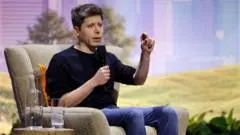
Sam Altman wants you to be afraid. Not because he's warning you away from artificial intelligence — but because he believes your fear is the most honest response to a technology that could reshape everything. The OpenAI CEO said the world is "right to be afraid" of AI, yet argued that trusting companies like his is the only realistic path to keeping it safe.
Why Altman Says Fear Is a Rational Response to AI
Altman's admission is rare for a tech leader. Most CEOs downplay risks to avoid spooking investors or regulators. Instead, he validated public anxiety, calling it a natural reaction to a technology that could surpass human intelligence. The message: fear is not irrational — it's a signal that the stakes are real.
The Trust Problem: Can Companies Police Themselves?
Altman and other tech CEOs say there are built-in incentives to limit dangerous AI advancements. The logic is simple — if a company releases something catastrophic, it destroys its own market and invites harsh regulation. But critics ask: why should the public trust profit-driven firms to decide where the line is?
How We Got Here: The Growing AI Anxiety
Public concern over AI has surged in recent years. From job displacement to misinformation to existential risk, the warnings have moved from science fiction to mainstream policy debates. Governments are scrambling to draft rules, but the technology is moving faster than legislation.
What This Means for Everyday People
For students, workers, and families, the debate isn't abstract. AI is already shaping hiring, education, healthcare, and news. Altman's comments suggest that the people building these systems know the risks — but also that they want to be the ones managing them.
Tech Leaders Push Back Against Regulation — Carefully
Altman isn't alone. Other tech CEOs have echoed similar sentiments, arguing that heavy-handed regulation could push innovation underground or to less scrupulous actors. Their pitch: let us lead, but hold us accountable. Whether that balance is achievable remains unproven.
What We Know vs. What Remains Unclear
Verified: Altman made the comments about fear and trust. Unclear: what specific limits he supports, how trust would be enforced, and whether internal incentives are enough. No independent audit of AI safety claims exists yet.
OpenAI's Moat: Why Its Position Matters
OpenAI isn't just another AI lab. It has brand power, massive funding, and partnerships with Microsoft. That gives it influence over how AI is built and governed. But it also means its failures would be felt globally — a fact Altman seems to acknowledge.
Risks and the Case for Skepticism
Trusting AI companies means trusting their motives. OpenAI has faced criticism for shifting from its nonprofit roots to a capped-profit model. Some experts warn that safety promises can be diluted by competitive pressure. The fear Altman validates is also the fear that companies won't limit themselves when profits are at stake.
The Wider Trend: AI's Trust Deficit
Altman's comments reflect a broader pattern — tech leaders acknowledging risk while asking for patience. It's a delicate dance. Too much fear and regulation tightens. Too little and public backlash grows. The AI industry is walking a tightrope.
What Should You Do Now?
Stay informed. Follow AI policy debates. Ask questions about how AI is used in your workplace or children's schools. Demand transparency from companies. Fear is valid — but so is informed engagement.
Future Outlook: Will Trust Be Earned or Enforced?
Altman's bet is that trust can be earned through results. If AI delivers benefits safely, fear may fade. If not, regulators will step in. The next few years will decide which path prevails.
Our Take
Altman's honesty about fear is refreshing, but trust is not a given. It must be demonstrated — repeatedly and transparently. The world is right to be afraid. The real question is whether companies like OpenAI deserve to be the ones calming those fears.
Frequently Asked Questions
What did Sam Altman say about AI fear?
He said the world is "right to be afraid" of AI but argued that trusting companies developing it is necessary to manage risks.
Why do tech CEOs say we should trust them?
They claim there are incentives to limit dangerous advancements because catastrophic releases would harm their own businesses and invite regulation.
Is AI really a threat to humanity?
Experts debate the scale, but many agree that unregulated AI poses serious risks — from misinformation to economic disruption to existential scenarios.
What should I do about AI fear?
Stay informed, ask questions, and support transparency. Fear is valid, but informed engagement is more powerful.