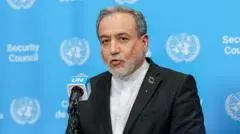
The price of Brent crude oil surged past $100 a barrel on Thursday for the first time since May, marking a dramatic escalation in global energy markets. The more than 6% jump came as the war in the Middle East intensified, stoking fears of supply disruptions from one of the world’s most vital oil-producing regions.
Why Oil Prices Just Spiked Above $100
The immediate trigger is the escalating conflict in the Middle East. The region accounts for nearly a third of the world's oil production, and any instability raises the risk of supply cuts. Traders are pricing in the possibility of disruptions to shipping routes or direct damage to oil infrastructure. The surge reflects raw market fear, not just fundamentals.
Who Feels the Pinch First
For ordinary consumers, the impact is rarely immediate but almost always inevitable. Petrol and diesel prices at the pump typically follow crude oil prices with a lag of a few weeks. Airlines, logistics companies, and industries reliant on fuel will face higher input costs. In India, where a significant portion of crude oil is imported, the government may face pressure to adjust fuel taxes or risk higher inflation.
How We Got Here: A Timeline of Tensions
Oil prices had been relatively stable since May, hovering below the $100 mark as global demand concerns balanced supply fears. The recent escalation in Middle East hostilities — including direct military actions and threats to key chokepoints like the Strait of Hormuz — has shattered that equilibrium. Each new development has pushed prices higher, culminating in Thursday’s breach.
The Human Cost of Rising Oil Prices
Higher oil prices don't just affect drivers. They raise the cost of transporting food, manufacturing goods, and heating homes. For millions of households already grappling with inflation, this adds another layer of financial strain. Small businesses, especially those in transport and logistics, face squeezed margins. The psychological impact is also real: rising fuel costs often signal broader economic trouble ahead.
What Governments and Regulators Are Saying
As of now, no major government has issued a formal statement on the price surge. However, analysts expect central banks and finance ministries to monitor the situation closely. In oil-importing nations like India, the government may consider temporary excise duty cuts to cushion the blow for consumers. The International Energy Agency (IEA) has previously warned that geopolitical risks could push prices higher.
Why This Breach of $100 Matters More Than Before
The $100 mark is both a psychological and economic threshold. It signals that markets believe the risk of a major supply disruption is real and imminent. Unlike previous spikes driven by demand surges, this one is purely geopolitical. That makes it harder to predict or control. If the conflict spreads to involve major producers like Iran or Saudi Arabia, prices could climb significantly higher.
Confirmed Facts vs What Remains Unclear
Confirmed: Brent crude rose more than 6% on Thursday, crossing $100 for the first time since May. The escalation of the Middle East war is the primary driver. Unclear: Whether any actual oil production or shipping has been disrupted yet. Whether governments will intervene with price controls or strategic reserves. How long the price spike will last. All speculation beyond these points should be treated with caution.
Risks and a Balanced View
While the price surge is alarming, some analysts caution against panic. The global oil market has buffers, including strategic petroleum reserves held by major economies. Demand growth has also slowed in China and Europe. However, the risk of a prolonged conflict remains the biggest wildcard. If the situation de-escalates, prices could fall just as quickly as they rose. If it worsens, $100 may only be the beginning.
The Bigger Pattern: Geopolitics and Energy Prices
This is not an isolated event. Oil prices have become increasingly sensitive to geopolitical shocks over the past two years, from the Russia-Ukraine war to tensions in the Middle East. The energy transition has not yet reduced the world's dependence on crude, making every conflict in a producing region a potential price event. This pattern is likely to continue until alternative energy sources gain real market share.
What You Should Do Now
For consumers: expect higher fuel costs in the coming weeks. Consider adjusting budgets for transport and heating. For investors: energy stocks may benefit in the short term, but volatility is high. For businesses: review fuel-dependent supply chains and consider hedging strategies. For everyone: stay informed but avoid panic. Governments have tools to manage short-term spikes, but long-term relief depends on peace.
What Could Happen Next
If the conflict de-escalates, oil prices could retreat below $100 within weeks. If it expands, prices could test $110 or higher. The key variables are: whether major producers like Saudi Arabia or Iran become directly involved, whether shipping routes like the Strait of Hormuz are threatened, and whether governments release strategic reserves. The next 48 hours will be critical.
Our Take
The breach of $100 is a stark reminder that the global economy remains vulnerable to geopolitical shocks. While markets have shown resilience, the human cost of higher energy prices is real and unevenly distributed. This story is not just about traders and barrels — it is about families, small businesses, and the fragile balance between energy security and peace. The coming days will test whether governments have learned the lessons of past oil crises.
Frequently Asked Questions
Why did oil prices hit $100 today?
Brent crude surged over 6% on Thursday due to escalating war in the Middle East, raising fears of supply disruptions from the oil-rich region.
How will this affect petrol and diesel prices in India?
Higher crude oil prices typically lead to increased fuel costs at the pump within a few weeks, as India imports most of its crude oil.
Could oil prices go even higher?
Yes, if the conflict widens or disrupts major shipping routes like the Strait of Hormuz, prices could rise further. Analysts are watching closely.
What can the government do to protect consumers?
The government can cut excise duties on fuel, release strategic petroleum reserves, or negotiate with oil-producing nations to stabilize prices.