Global financial markets experienced a dramatic shift on Monday as oil prices plunged and stock markets rallied following President Donald Trump's announcement of a tentative peace deal with Iran. The agreement, which includes the reopening of the strategic Strait of Hormuz, has sent a wave of optimism through investors who had been bracing for prolonged conflict and rising energy costs.
How the US-Iran Deal Triggered a Market Rally
The core of the market reaction stems from the reopening of the Strait of Hormuz, a narrow waterway through which about 20% of the world's oil passes. The threat of its closure had been a major driver of oil price volatility and geopolitical risk premiums. With the deal, those premiums are evaporating rapidly.
Why Falling Oil Prices Matter for Your Wallet
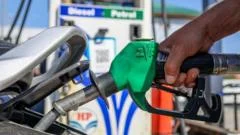
For consumers and businesses, falling oil prices are a direct relief. Lower crude costs typically translate to cheaper petrol, diesel, and airfares. More importantly, the deal is expected to cool global inflation, which has been stubbornly high. This gives central banks, including the US Federal Reserve and the Reserve Bank of India, more room to pause or even cut interest rates, easing pressure on borrowers.
Timeline of Tensions: From Strait Closure to Deal
The crisis escalated after Iran threatened to "completely" close the Strait of Hormuz in response to Israeli military actions. Oil prices had surged 7-8% on that news. The sudden reversal came when President Trump confirmed he had called off planned bombings of Iran and instead secured a deal to reopen the waterway, marking a rapid de-escalation of one of the most dangerous flashpoints in global energy security.
Who Benefits Most from the US-Iran Deal?
The biggest winners are import-dependent nations like India, Japan, and South Korea, which rely heavily on Middle Eastern crude. For Indian consumers, this could mean lower fuel prices ahead of the festive season. Airlines, shipping companies, and manufacturing sectors that are sensitive to energy costs are also expected to see immediate margin improvements.
What President Trump Said About the Agreement
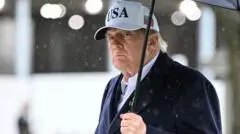
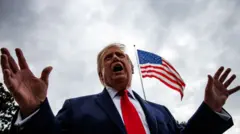
President Donald Trump confirmed the development, stating that under the agreement, the key Strait of Hormuz waterway would be reopened. He framed the deal as a diplomatic victory that prevented a major military confrontation. The announcement was made without a formal joint statement from Iran, leaving some details of the accord unclear.
Why Markets Are Betting on Lower Interest Rates
The market rally is not just about oil. Investors are interpreting the deal as a significant disinflationary shock. With energy prices falling, the urgency for central banks to keep raising interest rates diminishes. This "risk-on" sentiment drove investors out of safe-haven assets like the US dollar and into equities, pushing Asian stock markets to multi-month highs.
Confirmed Facts vs What Remains Unclear About the Iran Deal
Confirmed: President Trump announced a deal to reopen the Strait of Hormuz. Oil prices fell and stock markets rose. The dollar slipped against major currencies.
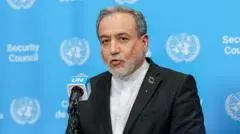
Unclear: The full terms of the agreement. Whether Iran has formally ratified the deal. The status of other sanctions or nuclear-related negotiations. The long-term durability of the ceasefire.
Why This Deal Matters for Global Energy Security
The Strait of Hormuz is the world's most important oil chokepoint. Any disruption there sends shockwaves through global supply chains. By securing its reopening, the US-Iran deal removes a systemic risk that had been hanging over the global economy. This is a rare moment where geopolitical de-escalation directly translates into measurable economic relief.
Risks and Concerns: Is the Market Overreacting?
While the initial market reaction is euphoric, analysts caution that the deal is "tentative." Skeptics point out that previous US-Iran understandings have collapsed. If the agreement unravels, oil prices could spike even higher than before, as the market would price in an even greater risk premium. There is also concern that the deal may not address broader issues like Iran's nuclear program, leaving long-term uncertainty intact.
Wider Trend: Geopolitics Replaces Monetary Policy as Market Driver
For much of 2024, markets were driven by central bank policy. This week's events signal a shift: geopolitical developments are now the primary catalyst for volatility. The US-Iran deal shows that diplomatic breakthroughs can have as much impact on inflation as interest rate decisions, reshaping how investors assess risk.
What Investors and Consumers Should Watch Now
For investors, the key is to watch for official confirmation from Tehran and any follow-up statements from OPEC. For consumers, the immediate benefit is likely lower fuel prices at the pump. However, it is wise to avoid making long-term financial commitments based on this single event, as the situation remains fluid.
Future Outlook: What Happens Next for Oil and Markets
If the deal holds, analysts expect oil prices to stabilize in a lower range, potentially below $70 per barrel. This would provide a sustained tailwind for global equities and emerging markets. However, any sign of a breakdown in the agreement could trigger a violent reversal, making the next few weeks critical for determining the market's direction.
Our Take
This is a textbook example of how geopolitics can rewrite economic narratives overnight. The US-Iran deal is a genuine positive for global growth and inflation, but the "tentative" nature of the agreement demands caution. Markets are pricing in a best-case scenario; the reality may be more complex. For now, the relief is real, but the underlying tensions in the Middle East have not disappeared.
Frequently Asked Questions
Why did oil prices fall after the US-Iran deal?
Oil prices fell because the deal includes reopening the Strait of Hormuz, a critical shipping route for global oil. This removes the immediate risk of supply disruption, causing the "risk premium" in oil prices to collapse.
How does the US-Iran deal affect Indian stock markets?
Indian stock markets are expected to benefit because India imports most of its oil. Lower oil prices reduce India's import bill, improve corporate margins, and ease inflationary pressure, which is positive for the rupee and equity markets.
Is the US-Iran deal permanent?
No. The deal has been described as "tentative" by President Trump. Its long-term durability depends on formal ratification by Iran and the resolution of other outstanding issues between the two nations.
What is the Strait of Hormuz and why is it important?
The Strait of Hormuz is a narrow waterway between Iran and Oman. About 20% of the world's oil passes through it, making it the most important oil chokepoint globally. Its closure would cause a massive spike in energy prices worldwide.