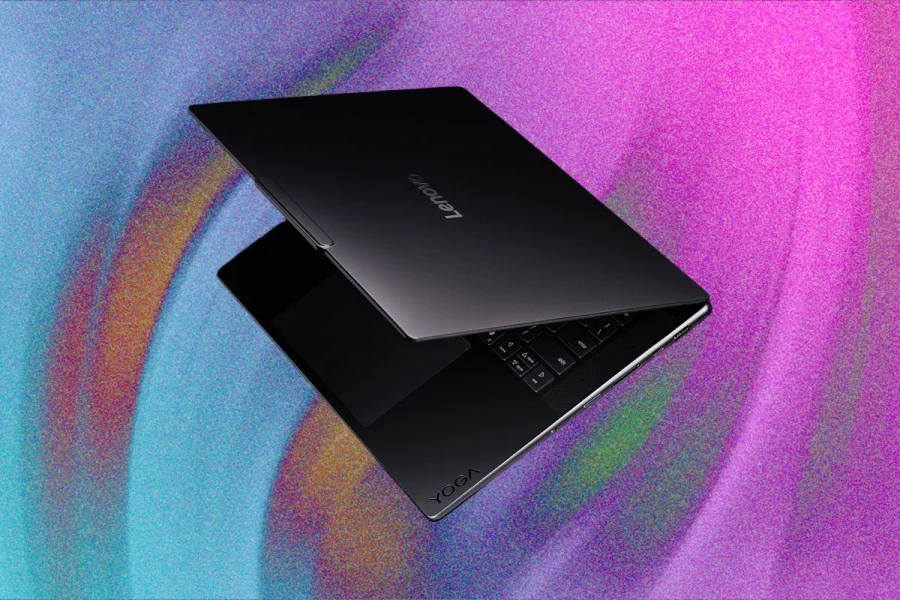
The first wave of AI-powered personal computers has officially arrived. At IFA 2026 in Berlin, Nvidia and its hardware partners pulled the curtain back on a new generation of laptops and mini PCs built around the RTX Spark 'Superchip'. This isn't just another spec bump — it's a fundamental shift in where and how artificial intelligence runs.
A New Chip Built for the AI Era
The RTX Spark 'Superchip' is designed with one primary goal: to run complex AI models locally. Instead of sending your data to a distant cloud server, these new PCs can process everything on your desk. This means AI-powered tasks like image generation, language translation, and coding assistance can happen instantly, even without an internet connection.
Why On-Device AI Matters for Your Daily Life
For most people, the appeal of on-device AI comes down to two things: speed and privacy. Cloud-based AI can feel sluggish, especially with a poor connection. Local processing eliminates that lag. More importantly, your personal files and conversations never leave your machine, offering a level of data security that cloud services simply cannot match.
From Data Centers to Your Desk: The Evolution
For years, Nvidia has dominated the data center market with powerful GPUs that train and run massive AI models. The RTX Spark represents a strategic pivot. The company is now pushing that same technology into the consumer space, shrinking it down to fit into a laptop chassis. This move signals that Nvidia sees the PC as the next major frontier for AI adoption.
Who Stands to Benefit Most from These New PCs
Professionals like video editors and graphic designers will find new tools for rapid rendering and smart editing. Developers can run large language models locally for faster testing. But the impact goes further. Students and researchers in areas with poor internet access could gain access to powerful AI tools that were previously out of reach, democratizing the technology in a meaningful way.
Nvidia's Vision: Bringing AI to the Masses
Nvidia's leadership has been clear about their ambition to make AI ubiquitous. By embedding the RTX Spark into consumer hardware, they are betting that the next billion AI users will interact with the technology through their personal computers. The demonstrations at IFA 2026 were designed to show that this future is not a distant concept, but a product ready for the market.
Decoding the 'Superchip' Architecture
While Nvidia has not released full technical specifications, the 'Superchip' moniker suggests a highly integrated design. It likely combines a powerful GPU with dedicated AI acceleration cores and high-bandwidth memory on a single package. This integration is key to achieving the performance needed for demanding AI workloads within the power and thermal limits of a laptop.
Confirmed Details vs. What Remains Under Wraps
What is confirmed is that RTX Spark-powered laptops and mini PCs were showcased at IFA 2026. What remains unclear are the specific performance benchmarks, pricing tiers, and the full list of partner devices. Nvidia has yet to announce a definitive release date or the exact battery life impact of running these AI models on the go.
Nvidia's Competitive Edge in the AI PC Race
Nvidia's advantage lies in its mature software ecosystem, particularly CUDA. This platform is the industry standard for AI development, meaning thousands of applications are already optimized to run on Nvidia hardware. This gives RTX Spark a significant head start over competitors who are still building their software foundations.
Weighing the Benefits Against the Unknowns
While the promise of on-device AI is exciting, questions remain. The cost of these new components could make the first generation of RTX Spark PCs expensive. There are also concerns about the long-term performance of AI models, which are growing in size and complexity. A chip that is powerful today may struggle with the demands of tomorrow's software.
A Broader Shift Towards Edge Computing
The launch of RTX Spark is part of a larger industry trend known as edge computing. Across the tech world, there is a push to move processing power away from centralized data centers and closer to the user. This reduces latency, lowers bandwidth costs, and improves data sovereignty. Nvidia's move is a major validation of this approach.
What You Should Consider Before Buying
If you are in the market for a new computer, it may be worth waiting to see the full range of RTX Spark devices. Compare the performance claims against your actual needs. If you rely on cloud-based AI tools, consider whether local processing offers a tangible benefit for your workflow. For most users, the privacy and speed advantages will be the deciding factors.
The Road Ahead for AI-Powered Computing
The next 12 months will be critical. We expect to see a flood of new software that takes advantage of the RTX Spark's capabilities. As developers create more applications for local AI, the value of these PCs will only grow. The technology is here, and the software ecosystem is about to follow.
Our Take
The arrival of the RTX Spark 'Superchip' is more than a product launch; it is a declaration that the AI revolution is moving from the cloud to the consumer. This shift empowers users with greater control over their data and unlocks new possibilities for creativity and productivity. While the first generation may have its limitations, the direction is clear. The PC is being reborn as an intelligent, personal assistant that works for you, not for a server farm.
Frequently Asked Questions
What is the Nvidia RTX Spark 'Superchip'?
The RTX Spark 'Superchip' is a new processor from Nvidia designed to run AI models directly on a personal computer. It powers a new class of laptops and mini PCs that can handle tasks like image generation and language processing locally, without needing a cloud connection.
When will the first RTX Spark AI PCs be available?
Nvidia and its partners showcased the first RTX Spark-powered laptops and mini PCs at IFA 2026 in Berlin. While an exact release date has not been announced, the public demonstrations suggest that these devices are close to market and should be available in the near future.
Why is on-device AI better than cloud-based AI?
On-device AI offers two main benefits: speed and privacy. Processing happens instantly on your machine, eliminating lag from internet connections. It also keeps your personal data on your device, which is more secure than sending it to a remote server for processing.
Who is the Nvidia RTX Spark designed for?
The RTX Spark is designed for a wide range of users. This includes creative professionals needing fast rendering, developers working with large AI models, and everyday users who want fast, private AI assistance for tasks like writing, translation, and photo editing.