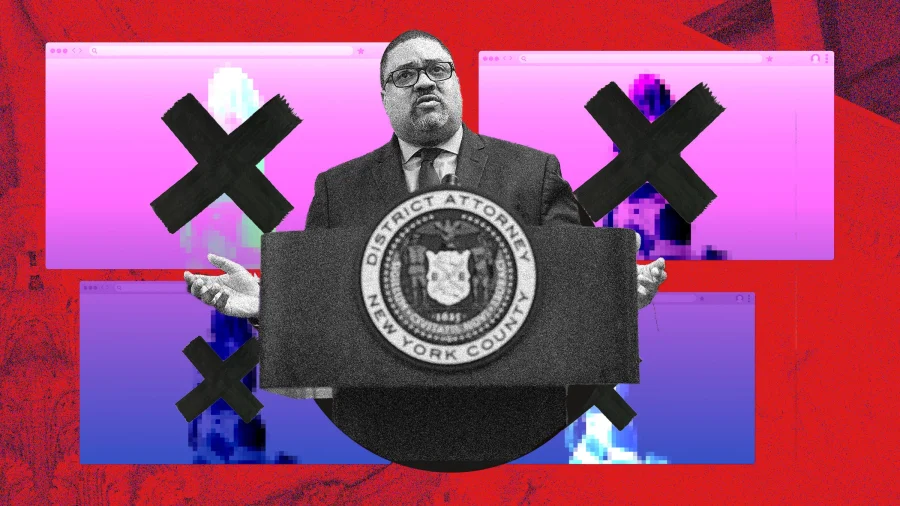
Twelve websites. Roughly 1,200 victims. One sweeping legal action that New York authorities are calling the largest of its kind. The Manhattan District Attorney's Office has seized a dozen platforms dedicated to hosting non-consensual deepfake content—most of it targeting celebrities.
For the women and public figures whose faces were digitally manipulated without consent, the seizure is more than a legal headline. It is a rare moment of accountability in a space that has operated largely unchecked.
Inside the Largest Deepfake Takedown New York Has Pursued
The operation, led by the Manhattan DA's Office, resulted in the seizure of 12 websites that collectively hosted AI-generated intimate imagery of approximately 1,200 individuals. The victims were predominantly celebrities, though the exact breakdown of public figures versus private citizens has not been disclosed.
Authorities have not yet released the names of the websites or the individuals behind them. What is clear: this is the most aggressive single enforcement action against deepfake platforms in New York's history.
Why 1,200 Victims Changes the Scale of This Fight
Deepfake abuse is not new. But the sheer number of victims in this case—1,200—elevates it from an isolated crime to an industrial-scale operation. These platforms were not accidental repositories. They were built to host, distribute, and monetize non-consensual imagery.
For victims, the damage is immediate and lasting. Reputation, mental health, and personal safety are all compromised. And until now, legal recourse has been slow, fragmented, and often ineffective across state and international lines.
How Deepfake Websites Operated in Plain Sight
Most deepfake platforms operate in a legal grey zone. They rely on offshore hosting, anonymous payment systems, and rapidly shifting domain names to evade takedowns. When one site goes down, another often appears within days.
New York's seizure order targets the infrastructure—not just the content. By taking control of the domains, authorities are attempting to dismantle the distribution network itself, not merely scrub individual images.
Who Is Affected—and Why It Matters Beyond Celebrity
While this case centers on public figures, the technology behind these websites is available to anyone. Thousands of private individuals—ex-partners, colleagues, students—have been targeted with similar abuse. They rarely have the resources or visibility to pursue legal action.
If New York's action sets a precedent, it could give ordinary victims a stronger legal pathway. That is the larger stake here: not just protecting the famous, but establishing that non-consensual deepfakes are a prosecutable offense, full stop.
What the Manhattan DA's Office Has Said—and What Remains Unclear
Officials have confirmed the seizure and the approximate number of victims. They have not yet detailed the specific charges, the identities of the operators, or whether arrests have been made.
Legal experts suggest the case could hinge on New York's existing laws against non-consensual intimate imagery, which were expanded in recent years to include AI-generated content. But enforcement across state and international borders remains a challenge.
The Legal Gap That Let Deepfakes Thrive
Until recently, most US states had no specific laws addressing AI-generated intimate imagery. Victims were forced to rely on copyright claims, harassment statutes, or civil suits—tools poorly suited to the speed and anonymity of deepfake distribution.
New York has been among the more proactive states, but this seizure tests whether those laws can be applied at scale. If successful, it could become a template for other jurisdictions.
Confirmed Facts vs. What Remains Unclear
Confirmed: 12 websites seized. Approximately 1,200 victims. Action led by the Manhattan DA's Office. Predominantly celebrity targets.
Unclear: Names of the websites. Identities or locations of operators. Whether criminal charges have been filed. How many victims were private individuals. Whether the sites will attempt to relaunch under new domains.
Any speculation about arrests or international involvement should be treated as unverified until officials confirm.
The Tech Industry's Uneasy Role
Deepfake tools are built on open-source AI models that are widely available. While major tech companies have policies against non-consensual imagery, enforcement is inconsistent. The same generative AI that powers creative tools can be repurposed for abuse.
This seizure puts pressure on platforms and AI developers to strengthen safeguards—or face regulatory consequences. It also raises questions about whether domain registrars and hosting providers should be held accountable for knowingly serving deepfake sites.
Risks and the Road Ahead
Seizing domains is a strong first step, but it is not a permanent solution. Deepfake operators are adept at rebranding and relaunching. Without coordinated international enforcement, the underlying ecosystem remains intact.
There is also the risk of overreach. Civil liberties groups have warned that broad seizure powers could be misused. The balance between protecting victims and preserving free expression will be closely watched.
A Wider Reckoning with AI-Generated Abuse
New York's action is part of a broader global push. The EU, UK, and several US states are tightening laws around deepfakes. South Korea recently expanded its own penalties after a wave of deepfake abuse in schools and universities.
The message is becoming clearer: non-consensual deepfakes are not a tech curiosity. They are a crime. And authorities are beginning to treat them that way.
What Victims and Readers Should Know
If you or someone you know has been targeted by deepfake abuse, document everything—URLs, screenshots, timestamps. Report to local law enforcement and the FBI's IC3 portal. Civil legal aid organizations and digital rights groups can also provide support.
For the public, this case is a reminder that digital consent matters. Sharing or seeking out deepfake content, even out of curiosity, contributes to the harm.
What Happens Next
Authorities are expected to release more details as the investigation proceeds. The key questions: Will arrests follow? Will other states replicate New York's approach? And will tech platforms face new obligations?
For now, the seizure stands as the most significant legal strike against deepfake abuse in the US to date. Its long-term impact will depend on what comes after the takedown.
Our Take
This is not just a win for celebrities. It is a test case for whether the legal system can move fast enough to protect anyone—famous or not—from AI-enabled abuse. The seizure is a strong signal. But without sustained enforcement and international cooperation, it may be a single victory in a much longer fight.
Frequently Asked Questions
What exactly did New York seize?
The Manhattan District Attorney's Office seized 12 websites that hosted non-consensual deepfake content, primarily targeting celebrities. Around 1,200 victims were affected.
Were any arrests made?
Officials have not confirmed any arrests. The investigation is ongoing, and further details are expected to be released.
Why is this considered the largest action of its kind?
It is the biggest single seizure of deepfake websites by a US authority, both in the number of platforms taken down and the scale of victims involved.
What should victims of deepfake abuse do?
Document the content, report it to law enforcement and the FBI's IC3, and seek support from digital rights organizations. Legal options are expanding in several states.