The appointment of a former judge to investigate a student's death has brought a moment of official reckoning to one of India's most prestigious campuses. Yet for the students who have been protesting, it is only the beginning of a longer fight for answers.
Former Judge to Lead Inquiry Into Student's Death
IIT Delhi has appointed Justice Mukta Gupta, a former judge of the Delhi High Court, to chair the panel investigating the suicide of a student. The decision comes after weeks of tension on campus, where students have been demanding a transparent and independent probe.
The institute's administration has not yet released the full terms of reference for the panel, but the appointment signals a formal step toward examining the circumstances surrounding the tragedy.
Why This Appointment Matters to Students and Families
For the student community, the credibility of the inquiry hinges on the panel's independence. Justice Gupta's judicial background brings legal authority to the process, but students are watching closely to see if the probe will address systemic issues like academic pressure, mental health support, and hostel life.
Families of students across India's engineering colleges see this case as a test of whether institutions will take responsibility beyond official statements.
Timeline: How the Crisis Unfolded on Campus
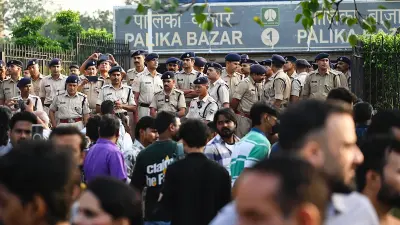
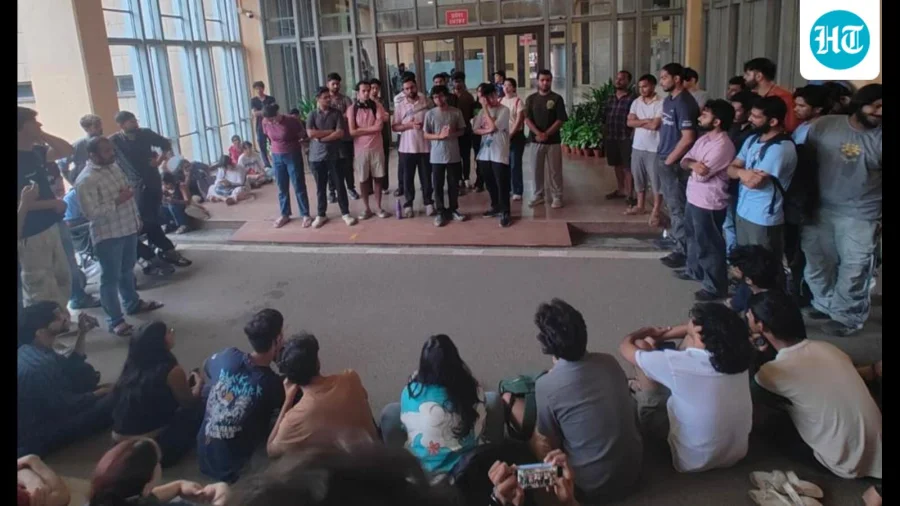
The tragedy has triggered a wave of protests at IIT Delhi, with students demanding accountability and compensation for the victim's family. The demonstrations have included sit-ins and open letters, pressing the administration to act.
The appointment of the inquiry panel is the administration's most concrete response so far, following earlier assurances of cooperation with the investigation.
The Human Cost Behind the Headlines
Behind the institutional response lies a deeply personal loss. The student's death has shaken the campus community, reigniting conversations about the mental health pressures faced by students in high-stakes academic environments.
Protesters argue that compensation and accountability are not just legal demands but necessary steps toward acknowledging the human impact of the tragedy.
Official Response and the Road to Transparency
IIT Delhi has stated that the inquiry panel will operate with the mandate to examine the facts of the case. The choice of a former High Court judge is intended to lend impartiality to the process.
However, the administration has yet to specify a timeline for the panel's findings, leaving students and the public awaiting further clarity.
What This Probe Means for Institutional Accountability
The inquiry is not just about one incident; it raises broader questions about how elite institutions handle student welfare. Experts believe the panel's recommendations could influence policies on mental health support and grievance redressal across Indian universities.
The outcome may set a precedent for how similar cases are addressed in the future.
Confirmed Facts vs What Remains Unclear
Confirmed: Justice Mukta Gupta has been appointed to chair the inquiry panel. Protests are ongoing, with demands for accountability and compensation.
Unclear: The specific terms of reference for the panel, the timeline for its report, and the details of the student's death remain under investigation. Any speculation about the cause would be premature.
Risks and the Challenge of Restoring Trust
The administration faces a delicate balancing act. While the appointment is a positive step, skepticism remains among students who fear the inquiry may lack teeth or transparency.
Critics argue that without clear deadlines and public disclosure of findings, the panel's work could lose credibility. Supporters, however, see the judicial appointment as a sign of seriousness.
A Wider Pattern: Student Mental Health on Campus
This incident is part of a troubling pattern across Indian higher education institutions, where student suicides have prompted repeated calls for better mental health infrastructure. The IIT Delhi case has amplified these concerns, drawing national attention to the pressures of academic life.
Advocates hope the inquiry will lead to concrete changes, not just in this institution but across the sector.
What Students and Parents Should Know Now
For those directly affected, the immediate focus remains on the inquiry's progress. Students are advised to engage with official channels for updates and to seek support from campus counseling services if needed.
Parents and observers should watch for the panel's terms of reference and any interim measures the institute announces to address student concerns.
Future Outlook: What Happens Next
The inquiry panel is expected to begin its work shortly, though no timeline has been announced. The coming weeks will reveal whether the process is seen as genuine or merely procedural.
The administration's next steps—whether it shares the panel's findings publicly and acts on its recommendations—will determine the legacy of this response.
Our Take
The appointment of Justice Mukta Gupta is a meaningful step, but it is not an end in itself. The true measure of this inquiry will be its transparency, its speed, and its willingness to confront uncomfortable truths about student life at elite institutions. For the grieving family and the protesting students, justice will only feel real when it leads to change.
Frequently Asked Questions
Who is Justice Mukta Gupta?
Justice Mukta Gupta is a former judge of the Delhi High Court, known for her legal expertise. She has been appointed by IIT Delhi to chair the inquiry panel into the student's suicide.
Why are students protesting at IIT Delhi?
Students are demanding accountability and compensation following the death of a student by suicide. They are pressing the administration for a transparent investigation and better mental health support.
What is the inquiry panel expected to do?
The panel, led by Justice Mukta Gupta, is expected to investigate the circumstances surrounding the student's death and may make recommendations to prevent similar incidents.
When will the inquiry report be released?
No official timeline has been announced yet. The administration has not specified when the panel's findings will be made public.