Sweetgreen never sold the lettuce at the center of this summer's cyclospora scare. It doesn't use iceberg. It doesn't buy from Mexico. And yet, for months, the salad chain's name sat uncomfortably close to headlines about a nationwide outbreak it had nothing to do with.
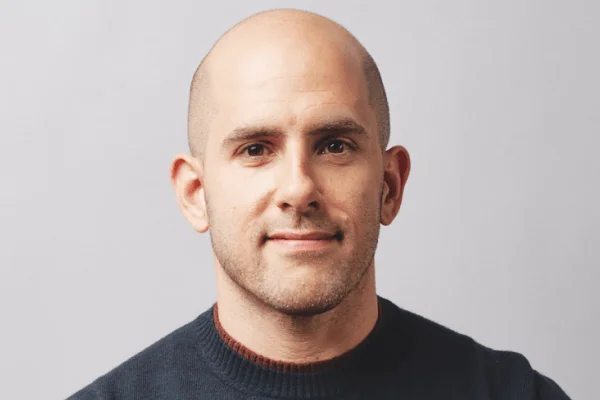
"It was a painful summer because that was like the headline for all summer," cofounder Nic Jammet told Fortune, describing a season in which consumer fear about fresh produce spread faster than any recall notice.
A Summer That Cost Sweetgreen Even When It Wasn't on the Receipt
Federal investigators ultimately tied the cyclospora outbreak to iceberg lettuce from central Mexico — a product Sweetgreen says it has never used. But that distinction mattered little to customers who saw "lettuce" and "outbreak" in the same sentence.
By August, the damage was already showing in the numbers. Sweetgreen cut its full-year outlook, projecting same-store sales would fall 7% to 8%, down from an earlier forecast of a 2% to 4% decline.
Why a Lettuce Recall Hit a Salad Chain Harder Than Anyone Expected
For a brand built on the promise of fresh, transparent sourcing, a produce-borne illness scare is uniquely dangerous. Sweetgreen's entire pitch rests on the idea that its ingredients are safer, cleaner, and more traceable than the average fast-food option.
When that trust wobbles — even for reasons outside the company's control — the financial consequences arrive quickly. The CDC declared the outbreak over on Sept. 11, but by then the summer's headlines had already done their work.
From Cyclospora Headlines to a Chef in Residence
Jammet, who now serves as Sweetgreen's chief concept officer, isn't framing the summer as a pure loss. His message — "never waste a crisis" — suggests the company is using the moment to rethink how it talks about its food.
Part of that reset includes the chain's first-ever chef in residence, a move that signals Sweetgreen wants to compete on culinary credibility, not just calorie counts and convenience.
What Sweetgreen's Cofounder Says About Stolen Recipes
Jammet also addressed a quieter problem in the fast-casual world: recipe theft. He described stolen recipes as a real and recurring frustration for a brand whose menu is part of its identity.
It's a complaint familiar to anyone who has built a food business on a signature dish — copycats can replicate a bowl in weeks, but they can't replicate the sourcing relationships or the brand trust behind it.
The Trust Problem No Recall Notice Can Fix
Sweetgreen's challenge isn't proving it wasn't part of the outbreak. It's proving that fresh food is still worth the risk in a year when consumers have been bombarded with food-safety warnings.
That's a harder sell than any marketing campaign, and it explains why the company is leaning on chefs, sourcing stories, and transparency rather than discounts.
Confirmed Facts vs. What Remains Unclear
Confirmed: Federal investigators linked the cyclospora outbreak to iceberg lettuce from central Mexico. The CDC declared the outbreak over on Sept. 11. Sweetgreen cut its full-year same-store sales outlook in August to a 7% to 8% decline.
Unclear: How much of Sweetgreen's traffic decline is directly attributable to the outbreak versus broader fast-casual softness. The company has not disclosed specific financial figures tied to the crisis.
Why Sweetgreen Still Matters in the Fast-Casual Fight
Sweetgreen's moat has never been its menu alone — it's the supply chain. The company has spent years building direct relationships with farms and producers, a system that's expensive but hard to copy.
That infrastructure is also its vulnerability: when consumers doubt fresh produce, they doubt the entire model, not just one ingredient.
The Risks Sweetgreen Can't Market Away
Fresh food carries inherent risk. No amount of sourcing transparency eliminates the possibility of a future outbreak — real or perceived — hitting the brand again.
There's also the risk that the "chef in residence" push reads as a marketing response rather than a genuine operational shift. Consumers are quick to spot the difference.
A Wider Pattern: When Food Safety Becomes a Brand Crisis
Sweetgreen isn't the first chain to absorb reputational damage from an outbreak it wasn't part of. In recent years, several fast-casual brands have found that consumer fear doesn't follow FDA traceability charts — it follows headlines.
That's the new reality for any company selling fresh food at scale: you can be innocent and still pay the price.
What This Means for Sweetgreen Customers and Investors
For customers, the practical takeaway is simple: the outbreak tied to iceberg lettuce from Mexico is over, and Sweetgreen was never linked to that supply chain.
For investors, the focus shifts to whether the company's revised outlook holds — and whether the chef-in-residence strategy can meaningfully move traffic in the coming quarters.
What Could Come Next for Sweetgreen
Expect more emphasis on sourcing stories, chef partnerships, and menu innovation as Sweetgreen tries to reframe the conversation. The company's next earnings report will be the clearest signal of whether the summer's damage was temporary or structural.
Our Take
Sweetgreen's summer is a case study in how reputational risk works in the fresh-food era: you don't have to be in the recall to be in the headline. Jammet's "never waste a crisis" framing is smart, but it only works if the company can turn a defensive moment into a genuine operational and culinary upgrade. The chef in residence is a start — the proof will be in the traffic numbers.
Frequently Asked Questions
Was Sweetgreen part of the cyclospora outbreak?
No. Federal investigators tied the outbreak to iceberg lettuce from central Mexico. Sweetgreen says it does not use iceberg lettuce and does not buy lettuce from Mexico.
Why did Sweetgreen cut its sales outlook?
The company cut its full-year outlook in August, projecting same-store sales would fall 7% to 8%, down from an earlier forecast of a 2% to 4% decline, as consumer fears about fresh produce weighed on traffic.
What is Sweetgreen's chef in residence program?
It's the chain's first-ever chef in residence initiative, part of a broader effort to strengthen its culinary credibility and reframe its brand around food quality rather than just convenience.
Is the cyclospora outbreak over?
Yes. The CDC declared the outbreak over on Sept. 11.
[NEWS_SCHEMA] {"@context":"https://schema.org","@type":"NewsArticle","headline":"Inside Sweetgreen's Crisis Playbook: Stolen Recipes, a Cyclospora Summer, and a New Chef","description":"Sweetgreen cofounder Nic Jammet opens up on the cyclospora outbreak fallout, stolen recipes, and the salad chain's first-ever chef in residence.","image":"","datePublished":"","dateModified":"","author":{"@type":"Person","name":"","url":"","sameAs":[]},"publisher":{"@type":"Organization","name":"","logo":{"@type":"ImageObject","url":""}},"mainEntityOfPage":{"@type":"WebPage","@id":""},"articleSection":"Business","keywords":"Sweetgreen cyclospora outbreak, Nic Jammet, Sweetgreen chef in residence, iceberg lettuce recall, Sweetgreen sales outlook"} [SOURCES] Fortune — Fortune