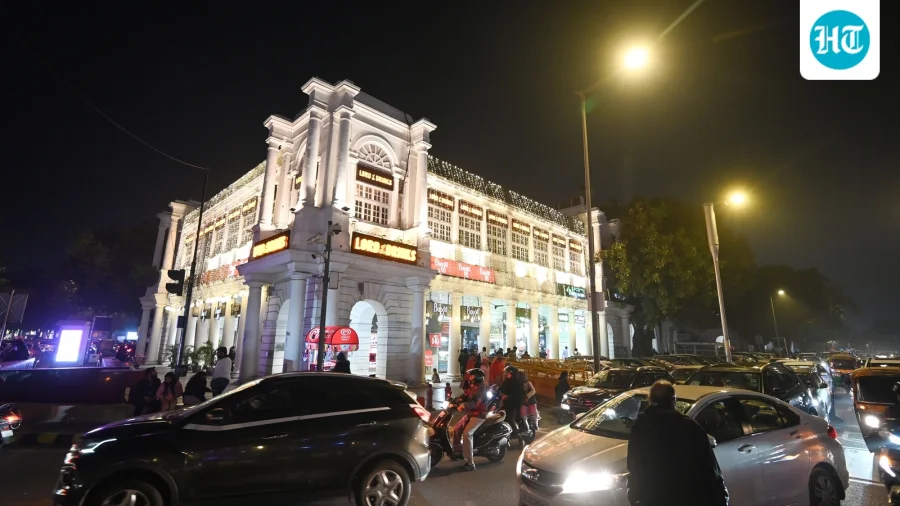
One of Delhi’s most iconic addresses could be on the verge of a dramatic transformation. The chairman of the New Delhi Municipal Council (NDMC), Manoj Dwivedi, has publicly asked a simple but loaded question: can the inner circle of Connaught Place be made vehicle-free?
A landmark shared by millions, now at a crossroads
Dwivedi made the observation while seeking broader suggestions on how to manage Connaught Place better. He pointed out that almost everyone in the National Capital Region has visited the area at some point, making it a collective public space rather than just a commercial district.
The remark has sparked conversations about pedestrian safety, traffic congestion, and the future of heritage zones in the capital.
Why a vehicle-free inner circle matters for daily commuters
Connaught Place is not just a tourist spot; it is a working hub. Thousands of office-goers, shoppers, and metro commuters pass through its circular roads daily. A vehicle-free inner circle could mean cleaner air, safer walking paths, and a more pleasant experience for the millions who visit.
However, it also raises practical concerns. Traders worry about delivery access, commuters fear longer detours, and cab aggregators question parking logistics. The idea, while appealing in principle, requires careful planning to avoid disrupting daily life.
How the conversation around CP’s redesign has evolved
This is not the first time the idea of restricting vehicles at Connaught Place has surfaced. Urban planners and heritage activists have long argued that the colonial-era architecture deserves a pedestrian-first approach. Previous proposals, however, have faced resistance from shopkeepers and businesses reliant on vehicular access.
Dwivedi’s fresh appeal for suggestions suggests the NDMC is willing to revisit the debate with public participation at the centre.
Who stands to benefit most from a pedestrian-first CP
Pedestrians and public transport users would be the biggest winners. The inner circle is currently a mix of moving cars, parked vehicles, and foot traffic, often leading to chaotic crossings. A vehicle-free zone could turn the space into a walkable plaza, similar to pedestrianised streets in European cities.
For street vendors, artists, and small businesses operating in the area, increased footfall could translate into more customers spending more time.
What NDMC has said so far
Manoj Dwivedi’s remarks were made during a public interaction where he invited citizens to share their views on managing Connaught Place better. He did not announce a concrete plan or timeline but framed the vehicle-free inner circle as an open question for public debate.
The NDMC has not yet released a formal consultation document or feasibility study.
Reading between the lines: what this signals for Delhi’s urban planning
The proposal reflects a broader shift in how Indian cities are thinking about public spaces. From Chandni Chowk’s redevelopment to pedestrian-friendly projects in other metros, the focus is moving from vehicle movement to human experience. If Connaught Place follows suit, it could set a precedent for other heritage commercial zones across the country.
Confirmed facts vs what remains unclear
What is confirmed is that the NDMC chief has publicly sought suggestions and raised the vehicle-free inner circle idea. What remains unclear is the level of official backing, the feasibility study status, and how trader associations will respond. No pilot project or implementation date has been announced.
Why Connaught Place’s character makes this a unique challenge
Unlike a typical market, Connaught Place is a layered space. It has an inner circle, a middle circle, and an outer circle, each with distinct functions. The metro station sits right at the heart of it, making the inner circle a transit node as much as a shopping destination. Any vehicle-free plan must account for this complexity without cutting off access to the metro or emergency services.
Concerns and counterpoints: the case for caution
Not everyone is convinced. Local businesses have historically opposed such moves, citing a drop in customer access. Delivery vehicles, service providers, and office commuters may face longer routes. There is also the question of enforcement—keeping the inner circle vehicle-free would require constant monitoring and clear signage.
Supporters, however, argue that the long-term gains in air quality and footfall would outweigh short-term inconvenience.
A pattern emerging across Indian cities
Delhi is not alone in this experiment. Several Indian cities are reclaiming public spaces from vehicles. The success of such projects often depends on how well they integrate with public transport and how much buy-in they receive from local businesses. Connaught Place, with its central location and metro connectivity, is arguably the strongest candidate for such a transformation.
What should visitors and local businesses do now
For now, nothing changes immediately. Visitors can continue to access Connaught Place as usual. Business owners and regular commuters should participate in the consultation process if the NDMC opens a formal channel for feedback. Those with strong opinions—either for or against the proposal—should make their voices heard through official NDMC platforms.
What happens next in the CP redevelopment conversation
The immediate next step is likely to be a period of public consultation. The NDMC may organise meetings with trader associations, traffic police, and urban experts before arriving at any decision. A pilot project, perhaps on a trial basis during weekends, could be a middle-ground option to test the impact without a permanent overhaul.
Our Take
The question posed by the NDMC chief is more than a traffic management issue; it is about what kind of city Delhi wants to be. Connaught Place is a symbol of the capital’s identity. Making it pedestrian-friendly would align it with global best practices, but only if done with sensitivity to the businesses and commuters who depend on it. The fact that the NDMC is asking for public suggestions is a healthy sign of participatory governance. The real test will be in the execution—balancing heritage, commerce, and convenience in one of India’s most beloved public spaces.
Frequently Asked Questions
Is Connaught Place inner circle going to be vehicle-free?
No decision has been made yet. NDMC chief Manoj Dwivedi has only floated the idea and is seeking public suggestions. It is currently at a consultation stage with no official timeline.
Who is Manoj Dwivedi in NDMC?
Manoj Dwivedi is the chairman of the New Delhi Municipal Council (NDMC), the civic body responsible for managing Connaught Place and other areas of New Delhi.
Why does NDMC want to make Connaught Place inner circle vehicle-free?
The proposal aims to improve pedestrian safety, reduce congestion, and enhance the overall experience of the heritage commercial zone. Dwivedi noted that almost everyone in the NCR has visited Connaught Place, making it a shared public landmark.
How can the public give suggestions to NDMC about Connaught Place?
The NDMC chief has invited public views on the proposal. Citizens can typically share feedback through NDMC’s official website, social media handles, or during public consultation meetings, though a formal channel is yet to be announced.