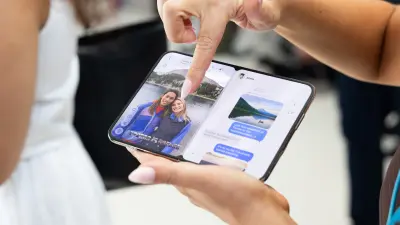
A teenager scrolling through Instagram at 1am, unable to sleep, feeling anxious about a post they saw. This is the scenario the UK government says it wants to prevent with a proposed midnight-to-6am social media curfew for 16- and 17-year-olds. But critics argue the plan doesn't go far enough.
What the midnight curfew would mean for teens
The proposal would require social media platforms like TikTok, Instagram, and Snapchat to block access for users aged 16 and 17 between midnight and 6am. The government says this will protect sleep patterns, reduce anxiety, and limit exposure to harmful content during late-night hours when supervision is minimal.
Why the government says it will improve teenagers' lives
Officials argue that teenagers are particularly vulnerable to the effects of late-night social media use. Studies have linked excessive screen time at night to poor sleep, depression, and lower academic performance. The curfew is framed as a practical step to create a "digital curfew" that mirrors existing restrictions on alcohol and other age-limited activities.
Campaigners call it a "missed opportunity"
Child safety campaigners and digital rights groups have reacted with frustration. They argue the curfew is a narrow, symbolic measure that fails to address the root causes of online harm. "This is a missed opportunity," said one campaigner. "Teens can still be exposed to harmful algorithms, data exploitation, and bullying during the day. The government is focusing on bedtime while ignoring the bigger picture."
Who is affected and why it matters to real people
For parents, the proposal offers a sense of control over their children's late-night habits. But for many 16- and 17-year-olds, it feels like an overreach. "I use my phone to study and talk to friends," said one London-based student. "Blocking me at midnight feels unfair when I'm almost an adult." The proposal also raises questions about enforcement and privacy, as platforms would need to verify age more strictly.
Official response and expert views
The government has not yet released a detailed policy paper, but a spokesperson said the consultation will "listen to young people, parents, and experts" before finalising any rules. Some child psychologists support the idea, noting that teenagers' circadian rhythms are naturally delayed, making late-night scrolling particularly harmful. Others warn that a blanket ban could push teens to unregulated platforms or create resentment.
Deeper analysis: Why this proposal matters beyond the curfew
The midnight curfew is part of a broader push by the UK government to regulate social media, following the Online Safety Act. But critics say the focus on late-night access distracts from more urgent issues: algorithm-driven content that promotes self-harm, eating disorders, and radicalisation; lack of transparency in data use; and inadequate age verification systems. The curfew may be easy to announce, but harder to enforce effectively.
Confirmed facts vs what remains unclear
What is confirmed: The government has proposed a midnight-to-6am social media ban for 16- and 17-year-olds as part of a consultation. What remains unclear: How platforms will enforce the curfew, whether exemptions exist for educational or emergency use, and what penalties non-compliant companies will face. The government has not specified a timeline for legislation.
Risks and balanced view
Supporters say the curfew could improve teen sleep and mental health. Critics warn it could drive teens to unregulated apps, create a false sense of safety, and infringe on privacy. There are also concerns about age verification—how will platforms know a user is 16 without collecting sensitive data? The proposal may also disproportionately affect teens who rely on social media for community support, such as LGBTQ+ youth or those with niche interests.
Wider trend: Global push for teen social media restrictions
The UK is not alone. France has proposed a ban on social media for under-15s without parental consent. Australia is considering age limits for platforms. The US has seen state-level bills targeting teen social media use. The midnight curfew fits into a global pattern of governments grappling with how to protect young people online without stifling their digital lives.
Practical reader guidance: What parents and teens should know now
For parents: The proposal is still under consultation, so no changes are immediate. Use this time to discuss screen time habits with your teen. For teens: The government is seeking feedback—this is a chance to voice your perspective. For educators: Stay informed about the consultation timeline, as schools may need to update digital literacy programmes.
Future outlook: What could happen next
The consultation will likely run for several months. If the curfew becomes law, platforms will need to implement age verification and enforcement mechanisms by a set deadline. Campaigners will continue to push for broader measures, including algorithm transparency and stronger data protections. The outcome will set a precedent for how the UK—and potentially other countries—regulate teen social media use.
Our Take
The midnight curfew is a well-intentioned but limited step. It addresses a symptom—late-night scrolling—without tackling the systemic issues that make social media harmful for teens. The real challenge is not when teens use these platforms, but how the platforms are designed to exploit attention and emotion. A curfew may help some teens sleep better, but it won't fix the underlying problems. The government should use this consultation to listen carefully to young people and experts, and then go further.
Frequently Asked Questions
What is the proposed midnight social media curfew for UK teens?
The UK government has proposed banning 16- and 17-year-olds from accessing social media platforms like TikTok, Instagram, and Snapchat between midnight and 6am. The aim is to improve sleep and mental health.
Why do campaigners call it a "missed opportunity"?
Campaigners argue the curfew is too narrow and doesn't address broader harms like algorithm-driven content, data exploitation, and daytime bullying. They want stronger, more comprehensive online safety measures.
When will the curfew become law?
The proposal is currently under consultation. No legislation has been introduced yet. The government will gather feedback from parents, teens, and experts before deciding on next steps.
How will social media platforms enforce the curfew?
Details on enforcement are unclear. Platforms would likely need to implement age verification systems to block access during restricted hours. Critics raise concerns about privacy and the risk of pushing teens to unregulated apps.