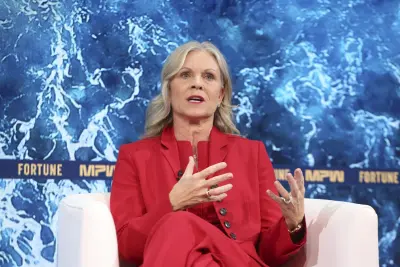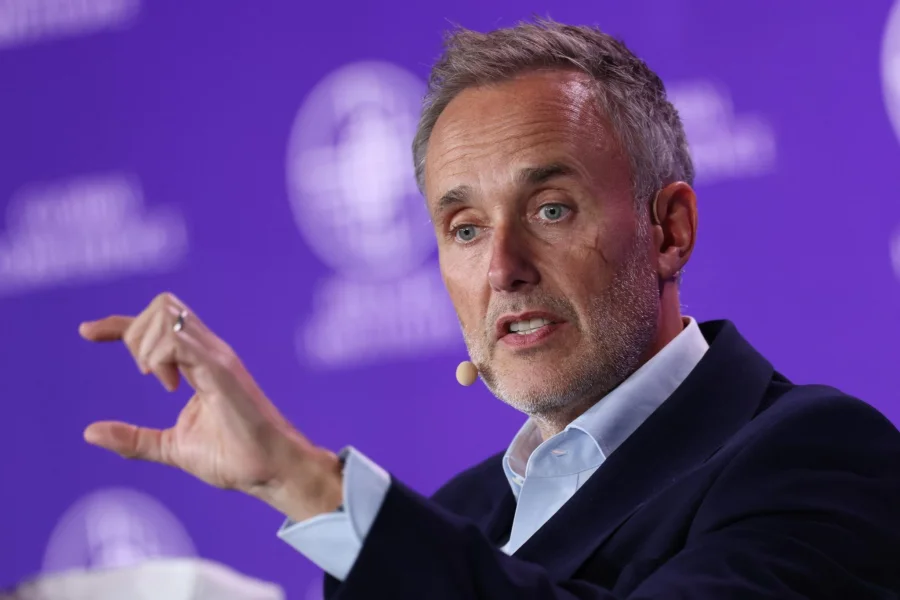
America’s biggest banks are printing money. JPMorgan Chase, Goldman Sachs, and others have just reported their best-ever quarterly earnings. But the men running these institutions are not celebrating alone. They are looking at the same Federal Reserve data everyone else can see — and what they see is unsettling.
The record profits that mask a deeper problem
JPMorgan Chase posted its strongest quarter in history. Goldman Sachs followed suit. The financial sector is booming, fueled by high interest rates, robust trading, and a resilient economy. But the same forces that are padding bank balance sheets are also widening the chasm between the ultra-wealthy and everyone else.
Jamie Dimon’s blunt warning about the left-behind
Jamie Dimon, the long-time CEO of JPMorgan Chase, did not sugarcoat it. In a recent interview, he acknowledged that anti-rich sentiment is surging across the country. His explanation was direct: “We have, in fact, left the lower-income folks behind.” It is a rare moment of public soul-searching from a Wall Street titan whose bank just reported record profits.
The numbers behind the inequality gap
The Federal Reserve’s latest data paints a stark picture. The top 0.1% of U.S. households now account for nearly six times as much of the country’s wealth as the entire bottom half combined. That is not a typo. The richest one-thousandth of the population holds more wealth than 50% of all American families. While bank CEOs are celebrating earnings calls, millions of households are struggling with rent, groceries, and medical bills.
Who is affected by this growing divide
The bottom 50% of American households — roughly 60 million families — are feeling the squeeze most acutely. Wages have not kept pace with inflation. Savings built during the pandemic have been depleted. Credit card debt is at an all-time high. Meanwhile, the top 0.1% have seen their portfolios swell, driven by a stock market that has largely ignored the pain on Main Street.
What bank CEOs are saying — and not saying
Dimon’s comments are notable because they come from inside the system. He is not a politician or an activist. He is the CEO of the largest bank in America. Yet even he admits the system is leaving people behind. Other bank leaders have been quieter. Goldman Sachs CEO David Solomon has focused on the bank’s performance, not the broader social consequences. The silence from many corners of Wall Street speaks volumes.
Why this moment matters beyond the earnings call
This is not just a story about bank profits. It is a story about legitimacy. When the institutions that manage the country’s money acknowledge that the system is broken, it forces a reckoning. If the wealthiest 0.1% continue to pull away while the bottom half struggles, social and political pressure will only intensify. Tax policy, wealth redistribution, and corporate responsibility are no longer abstract debates — they are live issues.
Confirmed facts vs what remains unclear
Confirmed: JPMorgan Chase and Goldman Sachs reported record quarterly earnings. Federal Reserve data shows the top 0.1% hold nearly six times the wealth of the bottom 50%. Jamie Dimon publicly stated that lower-income Americans have been left behind.
Unclear: Whether other bank CEOs will follow Dimon’s lead in publicly addressing inequality. What specific policy changes, if any, banks will advocate for. How long the current profit boom can last if consumer weakness deepens.
Risks and balanced view
Critics argue that bank CEOs are engaging in performative concern — acknowledging inequality while continuing to reward shareholders and executives with massive bonuses. Others point out that banks are not social welfare agencies; their primary duty is to maximize shareholder value. The risk is that public frustration turns into political backlash, including windfall profit taxes, stricter regulation, or forced lending requirements. There is also the risk that the wealth gap continues to widen until it triggers social instability.
The wider trend: Wall Street vs Main Street
This moment fits a broader pattern. The post-pandemic economy has been deeply uneven. Asset owners — those with stocks, real estate, and businesses — have gotten richer. Wage earners, especially those in service industries, have fallen behind. The banking sector’s record profits are the most visible symbol of this divergence. The question is whether this is a temporary cycle or a permanent structural shift.
What this means for ordinary Americans
For the average reader, this story is not abstract. It affects the cost of borrowing, the availability of credit, and the political debate over taxes and social spending. If you are in the bottom half, the bank profits you hear about on the news are not trickling down to you. If you are an investor, the same forces driving bank profits could also be creating systemic risk. Pay attention to what CEOs say — and what they do.
What could happen next
The immediate future is likely to see continued political pressure. Expect more public statements from business leaders, possibly coordinated efforts to address inequality through corporate philanthropy or policy advocacy. On the regulatory front, the Biden administration or a future administration could push for higher taxes on bank profits or stricter oversight. The long-term trajectory depends on whether the economy broadens out or continues to concentrate wealth at the top.
Our Take
This is a rare moment of honesty from the top of the financial food chain. Jamie Dimon’s admission is significant not because it is new — everyone with eyes can see the inequality — but because it comes from someone who benefits from the system. The real test is whether words translate into action. Will banks change lending practices? Will they advocate for higher wages or better social safety nets? Or will this remain a talking point on earnings calls? The answer will determine whether this is a genuine reckoning or just another quarter of record profits.
Frequently Asked Questions
Why are bank CEOs talking about inequality now?
Because the data is impossible to ignore. The top 0.1% now hold nearly six times the wealth of the bottom half. Record bank profits have made the contrast even starker, and public frustration is rising. CEOs like Jamie Dimon are acknowledging the problem to manage reputational risk and address growing anti-rich sentiment.
What did Jamie Dimon say about the wealth gap?
Dimon told a reporter that anti-rich sentiment is surging because “we have, in fact, left the lower-income folks behind.” He made the comment as JPMorgan Chase reported its best-ever quarterly earnings.
How big is the US wealth gap right now?
According to Federal Reserve data, the top 0.1% of U.S. households control nearly six times the wealth of the entire bottom 50% of households. That means a tiny fraction of the population holds more wealth than half the country.
Does this mean banks will change how they operate?
Not necessarily. While some CEOs are speaking out, there is no guarantee of concrete policy changes. Banks remain focused on profitability. However, growing public and political pressure could lead to regulatory changes or shifts in corporate behavior over time.