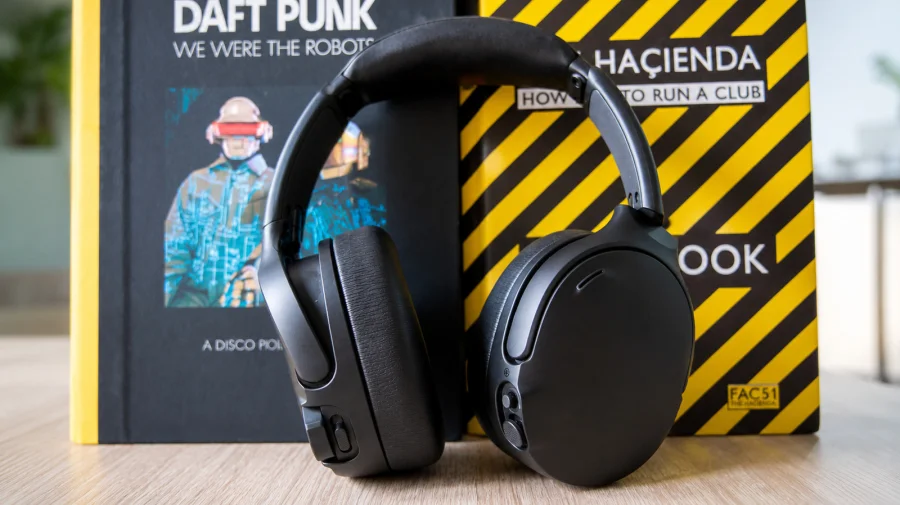
For years, Skullcandy has been the brand for bass lovers who want to feel their music. Now, with the Crusher 1080, the company is trying to prove it can also deliver on the promise of quiet. The new flagship headphones combine the brand’s signature haptic bass — a physical rumble that shakes your head — with active noise cancellation (ANC) that the company describes as “whisper-quiet.” The question is whether this combination can compete with the polished, all-rounder experience of Bose or Sony.
What the Crusher 1080 Brings to the Table
The Crusher 1080 is Skullcandy’s latest attempt to bridge the gap between fun and function. The headline feature is the haptic bass driver, which creates a physical vibration that syncs with low-frequency sounds. This isn’t just loud bass; it’s bass you can feel in your skull. The ANC, meanwhile, is designed to be effective without being intrusive — hence the “whisper-quiet” label. The headphones also feature a 60-hour battery life, rapid charging, and a foldable design for portability.
Why the Haptic Bass Matters for Listeners
For the average listener, the Crusher 1080 offers an experience that is more visceral than cerebral. If you listen to EDM, hip-hop, or action movie soundtracks, the haptic bass can make the music feel alive. It’s not about hearing every detail of a snare drum; it’s about feeling the kick drum in your chest. This makes the headphones ideal for workouts, gaming, or immersive movie watching. However, for classical music or acoustic tracks, the bass can overwhelm the mids and highs, making the sound feel muddy.
How the ANC Performs in Real-World Use
The ANC on the Crusher 1080 is described as “whisper-quiet” — meaning it effectively reduces ambient noise without creating a vacuum-like silence. In practice, this means it can handle the hum of an airplane engine or the drone of a fan, but it may struggle with sudden, sharp noises like a dog bark or a car horn. This is a deliberate trade-off: Skullcandy prioritizes comfort and naturalness over total isolation. For commuters or office workers, this might be a welcome feature, as it allows you to stay aware of your surroundings.
Who Should Consider the Crusher 1080?
The target audience is clear: bass enthusiasts who want a fun, engaging listening experience. If you’ve ever felt that traditional headphones lack “punch,” the Crusher 1080 is designed for you. It’s also a strong option for gamers who want to feel explosions and gunfire, or for fitness users who need motivation from heavy beats. However, if you are an audiophile who values neutral sound, detailed mids, and crisp highs, these headphones are likely not for you. The haptic bass is a feature that dominates the sound signature.
Skullcandy’s Positioning Against Premium Brands
Skullcandy is positioning the Crusher 1080 as a direct competitor to Bose and Sony, but the comparison is more about philosophy than direct performance. Bose focuses on balanced sound and world-class ANC; Sony emphasizes soundstage and codec support. Skullcandy’s bet is that a significant number of users will trade some clarity for the sheer fun of haptic bass. The company’s marketing suggests that “feeling” the music is more important than “hearing” every detail — a bold claim in a market dominated by precision.
What the Haptic Bass Technology Actually Does
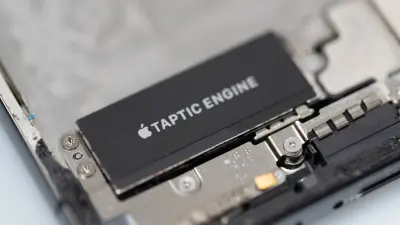
The haptic bass driver is a small motor inside the ear cup that vibrates in response to low-frequency audio signals. This is different from a traditional subwoofer, which moves air to create sound. Instead, the haptic driver physically shakes the headphone structure, transferring vibration directly to your head. This creates a sensation similar to being at a live concert or in a car with a powerful sound system. The effect is adjustable via a slider on the ear cup, allowing users to dial in the intensity.
Confirmed Facts vs What Remains Unclear
Confirmed: The Crusher 1080 features haptic bass drivers, ANC, 60-hour battery life, and a foldable design. The ANC is described as “whisper-quiet” by the company. Unclear: How the ANC compares to competitors like the Sony WH-1000XM5 or Bose QC Ultra in real-world tests. The exact weight and comfort for long listening sessions are also not fully detailed. Additionally, the long-term durability of the haptic motor mechanism remains unverified.
Skullcandy’s Moat: The Haptic Bass Experience
Skullcandy’s primary differentiator is the haptic bass technology, which is unique in the mainstream headphone market. While other brands offer bass-boost EQ settings, none provide a physical vibration that syncs with the music. This creates a proprietary sensory experience that cannot be replicated by software alone. The company also benefits from strong brand recognition among younger, bass-loving demographics, and a loyal fanbase that values fun over fidelity. This niche moat protects Skullcandy from direct competition with neutral-sounding brands.
Risks and Balanced View
The biggest risk is that the haptic bass is a gimmick that wears off after the novelty fades. Critics argue that the physical vibration can be distracting and fatiguing during long listening sessions. Additionally, the ANC is not class-leading, which means users who prioritize silence may be disappointed. The build quality, while decent, may not match the premium feel of metal-and-leather competitors. Finally, the price point — likely in the mid-range — puts it in direct competition with more established, well-reviewed options from Sony, Bose, and Sennheiser.
The Wider Trend: Sensory Audio Experiences
The Crusher 1080 is part of a broader trend toward sensory audio experiences. From spatial audio to bone conduction, headphone makers are moving beyond pure sound reproduction. Haptic feedback is being explored in gaming headsets, VR, and even hearing aids. Skullcandy’s bet is that users want to feel their music, not just hear it. This aligns with the rise of immersive entertainment, where physical sensation is as important as visual and auditory fidelity.
Practical Guidance for Potential Buyers
If you are considering the Crusher 1080, try them on before buying. The haptic bass is a personal preference — some will love it, others will find it overwhelming. Test them with your favorite bass-heavy tracks to see if the vibration enhances or distracts. Also, consider your primary use case: for commuting, the ANC is adequate but not top-tier; for home listening, the haptic bass can be a fun addition. If you prioritize neutral sound for critical listening, look elsewhere.
Future Outlook
Skullcandy is likely to refine the haptic bass technology in future models, potentially making it lighter, more adjustable, or integrating it with spatial audio. The Crusher 1080 serves as a proof of concept that a mainstream audience is willing to pay for a sensory audio experience. If successful, we may see other brands experimenting with haptic feedback. However, the niche appeal means the Crusher 1080 will likely remain a cult favorite rather than a market leader.
Our Take
The Skullcandy Crusher 1080 is a bold, fun, and genuinely unique product in a market that often feels homogeneous. It doesn’t try to be the best at everything; instead, it excels at one thing: delivering a physical, immersive bass experience. For the right user — someone who values excitement over accuracy — these headphones are a revelation. For everyone else, they are an interesting experiment. The real test will be whether Skullcandy can convince a broader audience that feeling the music is worth the trade-offs.
Frequently Asked Questions
What is haptic bass in the Skullcandy Crusher 1080?
Haptic bass is a physical vibration created by a motor inside the ear cup that syncs with low-frequency audio. It makes you feel the bass in your head, rather than just hearing it.
How does the ANC on the Crusher 1080 compare to Bose?
The ANC is described as “whisper-quiet” — effective for constant noises like engine hum but less effective for sudden sharp sounds. It is not as powerful as Bose’s industry-leading ANC.
Is the Crusher 1080 good for gaming?
Yes, the haptic bass can enhance explosions and gunfire in games, making the experience more immersive. However, the soundstage may not be as precise for competitive gaming where directional audio is critical.
Can you turn off the haptic bass on the Crusher 1080?
Yes, the haptic bass intensity is adjustable via a slider on the ear cup, allowing you to reduce or completely turn off the vibration effect.